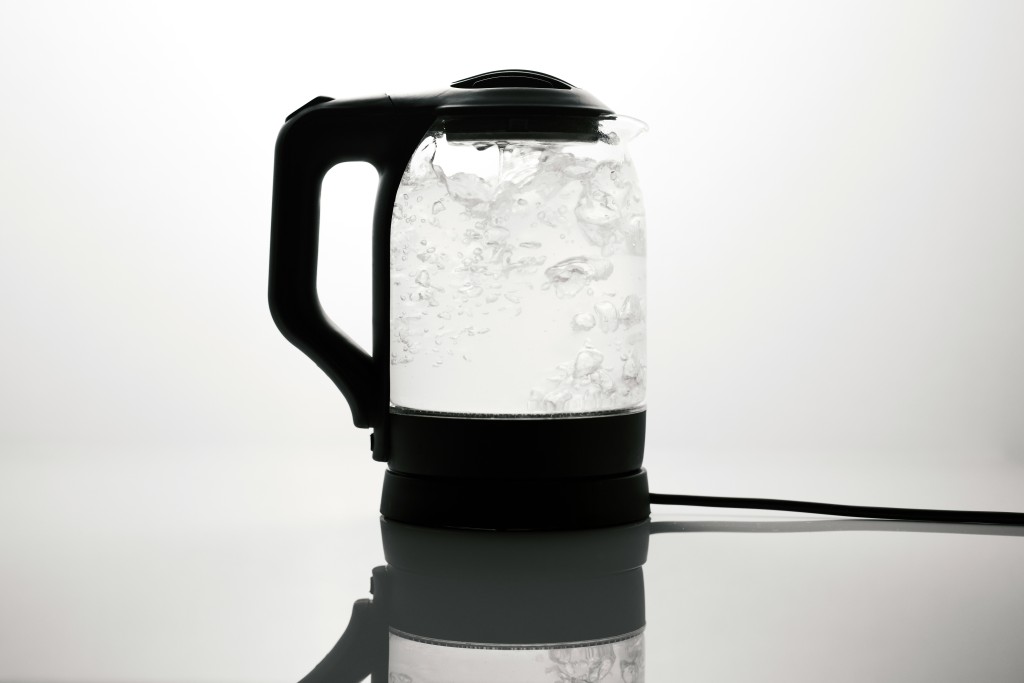
The electric kettle is used daily in many homes, and a stubborn layer of limescale often builds up at the bottom. An expert shares a simple 4-step natural cleaning method using an affordable household item (citric acid) to make old limescale dissolve and peel away on its own.
Housekeeping expert Chan Ying-yu posted on her Facebook page that due to water quality, electric kettles inevitably accumulate limescale over time, which looks unsightly. However, there's no need to worry; the type of residue inside kettles is actually very "simple" – mostly just limescale. She shares an extremely simple cleaning method. Just follow these 4 steps, and your old, limescale-covered kettle will look like new in no time:
4 Steps to Reduce Limescale in Your Kettle
- Prepare Citric Acid Solution: First, fill the kettle with cold water up to the maximum fill line. Add 1 tablespoon of citric acid per 1 liter of water.
- Heat and Soak: Turn on the power to bring the citric acid solution to a full boil. After the kettle automatically switches off, let it soak for about 1 to 2 hours. This soaking process allows the citric acid to dissolve the limescale.
- Boil Again to Rinse: After soaking, pour out the dirty water containing the dissolved limescale. To thoroughly rinse out any remaining citric acid, refill the kettle with clean water and bring it to a boil again.
- Drain and Finish: Once the water has boiled, pour it out completely. The kettle cleaning is now done.
Chan also reminds that if limescale buildup is thick, you can extend the soaking time. After cleaning, if you plan to store the kettle away temporarily, make sure the inside is completely dry. While cleaning, you should also check the sealing ring on the lid. If you find the ring is aging or cracked, replace it with a new part as soon as possible.
Electric Kettle Smells Metallic? It Could Be a Health Concern
Besides limescale, many people notice a metallic taste in water from kettles used for a long time. According to the Hong Kong Consumer Council, Professor Michael Lam Hon-wah from the Department of Biology and Chemistry at City University of Hong Kong stated that when water is kept at a high temperature for a prolonged period in contact with the kettle, the transfer of odors to the water may become more noticeable. If the water contains higher concentrations of metals like antimony, copper, manganese, iron, lead, or zinc, it can give the water a "metallic" off-taste. Additionally, metal components inside the kettle (such as the heating element and inner metal walls) may rust with daily use, which is another cause of a metallic taste in the water.
Consumer Council's 4 Tips for Removing Kettle Odors
How can you remove unpleasant odors from your kettle? The Consumer Council recommends the following 4 methods:
- Before officially using the kettle, fill it with clean water, bring it to a boil, and pour it out to rinse the kettle thoroughly. Repeat this step several times.
- As per the manufacturer's instructions, add diluted and strained lemon juice or white vinegar and let it soak for several hours to remove odors.
- If the odor problem persists, it is recommended to stop using the kettle.
- If limescale deposits are found adhering to the inner walls and bottom after a period of use, the above methods can also be used to address the issue.
Sources: Housekeeping Expert Chan Ying-yu, Consumer Council (Hong Kong)