Read More
Not all oat-based beverages are necessarily "healthy" drinks. A doctor points out that some seemingly healthy drinks might, if consumed carelessly, trap you into weight gain and health issues, potentially harming your body. There are 4 commonly consumed beverages that, if consumed regularly over time, could potentially trigger high blood sugar, fatty liver disease, and cardiovascular diseases.
ADVERTISEMENT
SCROLL TO CONTINUE WITH CONTENT
Obesity medicine specialist Dr. Hui Chi-yu stated on the "First Day Clinic" YouTube channel that many beverages on the market appear very healthy, but their ingredients may contain large amounts of carbohydrates and other additives. She warns the public to be cautious of 4 types of "pseudo-healthy" drinks, as excessive consumption might lead to high cholesterol and high blood sugar, and even contribute to fatty liver disease.
Are Oat Drinks and Sports Drinks Not So Healthy?
- Brown Rice Milk (Brown Rice Beverage)
- Reason: To enhance taste, most brown rice beverages often add sugar and roasted peanuts for flavoring, essentially adding sugar to carbs. Since brown rice milk is a liquid food, the sugar is more easily absorbed by the body.
- Impact: Commercially available brown rice milk may contain fatty acid glycerides or trans fats. Excessive fat intake and accumulation in the body can increase the risk of developing fatty liver disease.
- Oat-Based Drinks & Nut-Based Drinks
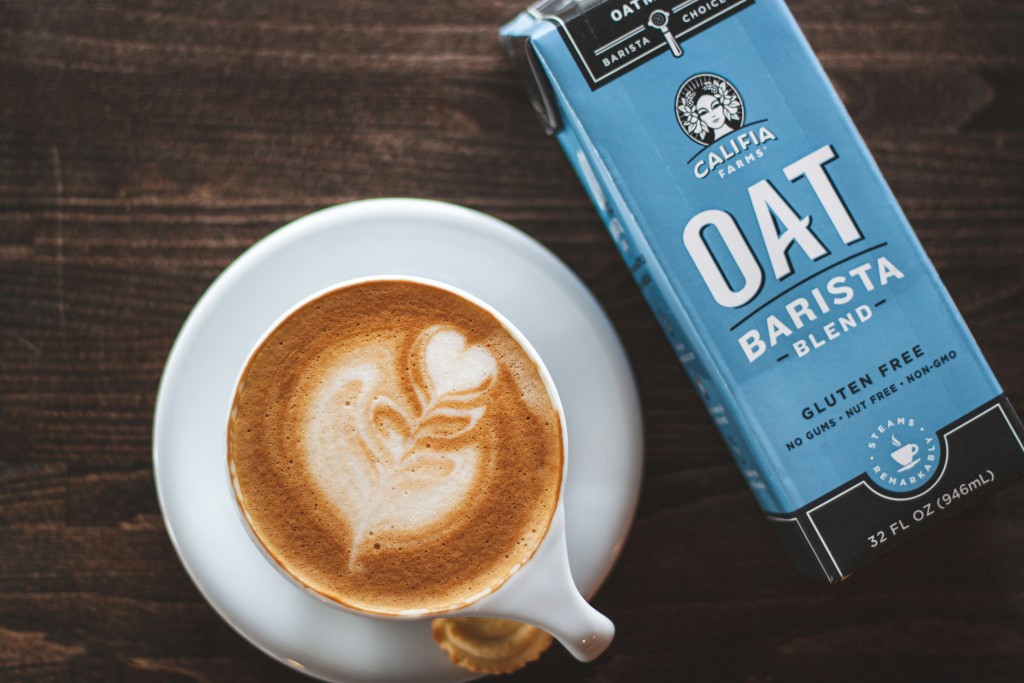
- Reason & Impact (Oat Drinks): Oat-based drinks generally have a higher glycemic index, and some products may add excessive sugar and other ingredients. Overconsumption can lead to excessive sugar intake, potentially causing high blood sugar, elevated cholesterol, and weight gain. Therefore, careful selection is crucial.
- Reason & Impact (Nut Drinks): During production, nut-based beverages undergo extensive processing and may contain various starches, which are easily converted to fat after absorption.
- Fruit Juice
- Reason & Impact: A single glass of fresh fruit juice requires multiple fruits to make, yet it provides little satiety, making overconsumption easy. This can lead to excessive fructose intake, increasing the risk of high blood sugar and cardiovascular disease.
- Recommendation: It's better to eat fresh fruit directly rather than drinking juice.
- Sports Drinks
- Reason & Impact: The timing of drinking sports drinks also matters. Consumed at the right time, they can enhance athletic performance. However, drinking them at the wrong time might lead to obesity and dehydration.
- Recommendation: They are suitable only when engaging in exercise lasting over an hour and experiencing breathlessness and sweating. For light exercise, drinking plain water for hydration is sufficient.
What Levels of Cholesterol Are Considered Healthy?
High cholesterol and high blood lipids trouble many people. How can one determine if cholesterol levels are excessive or normal? Which foods provide good cholesterol or bad cholesterol?
According to information from the Hong Kong Department of Health, aside from dietary intake, the human body also produces its own cholesterol. Once cholesterol levels in the body become too high, it can narrow blood vessels or even cause blockages, potentially leading to stroke or heart disease. Cholesterol can be divided into "Low-Density Lipoprotein (LDL) Cholesterol" (bad cholesterol) and "High-Density Lipoprotein (HDL) Cholesterol" (good cholesterol). An ideal level is typically considered when LDL cholesterol is below 3.4 mmol/L and HDL cholesterol is above 1.0 mmol/L.