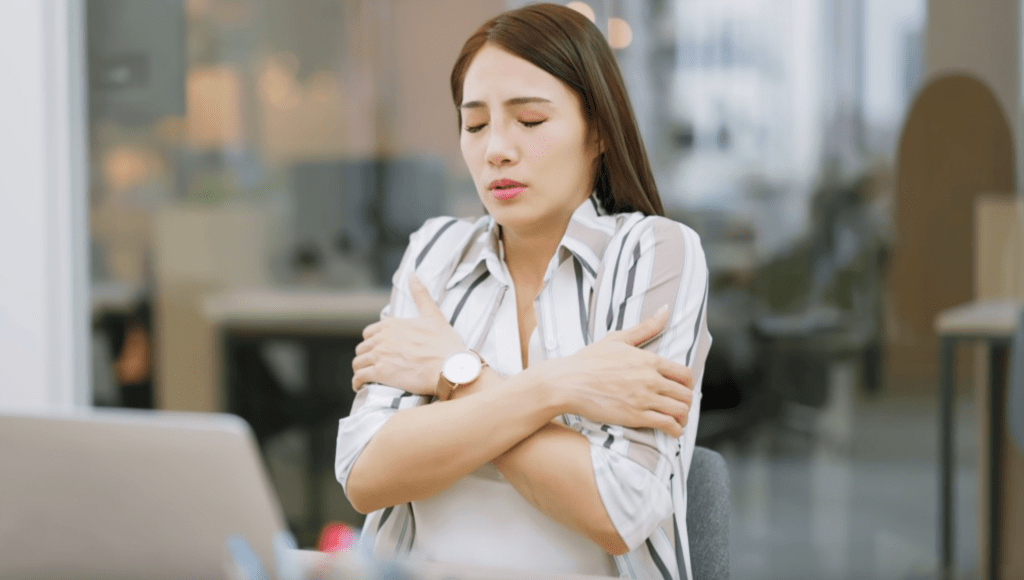
Can low body temperature weaken immune function, thereby increasing the risk of cancer and dementia? An expert explains that cold weather not only lowers body temperature but may also cause multiple negative health impacts. The expert also teaches 11 effective methods to help raise body temperature and strengthen the immune system.
According to a report by the Japanese media 女性セブンプラス, Japanese medical doctor Dr. Akira Kawashima points out that low body temperature increases the risk of various diseases, including cancer and dementia. However, simply raising body temperature by 0.5°C can activate enzymes in the body, improve overall physiological functions, and strengthen the immune system. This not only helps improve physical condition but also enhances psychological stability, leading to a lower-stress quality of life. Furthermore, when the human body is under excessive stress, body temperature drops; therefore, maintaining a relaxed state is crucial. He suggests that in daily life, body temperature can be raised through the following 11 methods:
1. Drink Ginger Water in the Morning
In addition to adding a small amount of boiled ginger to your morning hot water, it is recommended to place grated fresh ginger in a heat-resistant container, add enough water to cover, and microwave for about one minute. This ginger juice can be refrigerated and used for up to three days.
2. Move Your Wrists and Ankles After Waking Up
When the muscles around the ankles are stiff, the toes are prone to getting cold. After getting up, moving the ankles and doing heel lifts can relax the tissues around the joints and promote circulation. The same principle applies to the wrists; moving them helps deliver blood to the fingertips.
3. Soak Fingertips in Warm Water
If your hands are so cold on a chilly morning that it affects finger movement, prepare warm water around 40°C in a basin and soak both hands for about five minutes to warm them up.
4. Wear Toe Socks
Toe socks promote independent movement of the toes, improve local blood circulation, and effectively prevent feet from getting cold.
5. Choose Breathable, Warm Undergarments
Sweat retention can easily make the body feel cold. It is recommended to wear cotton underwear with moisture-wicking and sweat-absorbing functions, which is more effective for preventing colds compared to wearing multiple layers of shirts and sweaters.
6. Walk Daily
Walking about 3,800 steps daily can reduce the risk of dementia by 25%, and increasing it to 6,000 steps can lower the risk by about 57%. If you don't have a regular exercise habit, it's recommended to start with 3,800 steps per day.
7. Do Strength Training Every Three Days
To raise body temperature, muscle strength and basal metabolic rate need to be increased. Squats are recommended to exercise large muscle groups like the hips and thighs. Do 10 to 20 squats per set, three sets daily, and rest for two days after each squat session to allow muscle recovery. To achieve noticeable results, persist for three months. The method is as follows:
- Stand with feet shoulder-width apart, bend the knees to lower into a squatting position, then return to the starting position.
8. Enhance Lower Body Warmth
The lower body is more prone to coldness due to its distance from the heart and proximity to the ground. Furthermore, the thigh area is rich in large muscle groups and blood vessels. It is recommended to wear pants with fleece or thermal lining for added warmth.
9. Place a Hot Water Bottle on the Thighs
The thigh muscles are large, and blood vessels are densely distributed there. Warming this area can promote blood circulation throughout the body. It is recommended to use a hot water bottle consistently in daily life, not just in bed; a small hot water bottle can also be placed on the thighs while working to maintain warmth.
10. Warm the Abdomen with a Heating Pad or Electric Blanket
Cooling the stomach can lead to systemic coldness. The area around the navel contains important acupoints, including Shui Fen, Zhong Wan, Tian Shu, and Qi Hai, which can improve gastrointestinal function and promote energy metabolism. Using an abdominal warming belt to maintain the temperature in this area during cold weather is crucial. Disposable heat packs can also be added on top to enhance blood circulation effects.
11. Massage
For cold hands and feet, gently rub or massage along the path of the arteries from the center of the body toward the extremities to promote blood circulation. The method is as follows:
- Rub your hands together 20 times.
- Apply a warm compress around the elbows for 10 seconds.
- Massage from the elbows to the wrists for about 20 seconds.
- Place your palms on your ribs and massage in a circular motion for about 10 seconds to warm them up.
Persistently Low Body Temperature Can Lead to Hypothermia; Severe Cases May Be Fatal
If body temperature continues to drop, it may lead to hypothermia! According to information from the Hong Kong Department of Health, hypothermia occurs when the human body's temperature drops to 35°C or below. Symptoms vary depending on the patient's age, degree of hypothermia, and duration. Initially, the patient feels cold, experiences uncontrollable shivering, has icy hands and feet, and superficial capillaries constrict. When the patient's temperature drops to around 32°C, they may become confused, speak incoherently, experience uncontrollable shivering, and exhibit irrational behaviors, such as removing clothing in the cold.
If not handled properly, allowing the patient's body temperature to continue dropping below 32°C, shivering may start to fluctuate in intensity until it stops. The body may huddle, muscles may become rigid, skin turns pale, pupils dilate, entering a frozen state, followed by death.
How to Prevent Hypothermia?
To prevent hypothermia, the Department of Health recommends the following methods to stay warm and reduce risks associated with low body temperature:
- Pay close attention to weather reports and wear appropriate warm clothing, such as scarves, gloves, and headwear.
- In terms of diet, choose high-calorie and easily digestible foods like congee and rice noodles. Eat appropriate amounts, ensure adequate fluid intake, and avoid excessive alcohol, strong tea, and caffeine-containing beverages.
- Regular, appropriate exercise can increase blood circulation, thereby boosting heat production.
- Keep the home environment warm to reduce heat loss, e.g., close doors and windows properly, prevent direct drafts. Use safe heaters with caution.
- Get regular health check-ups to promptly detect and manage diseases that may lead to hypothermia, such as high blood pressure, diabetes, and degenerative diseases.
- If signs of hypothermia are observed, seek immediate medical attention or send the patient to the hospital.
- Utilize the cold shelters provided by the Home Affairs Department when necessary.