Read More
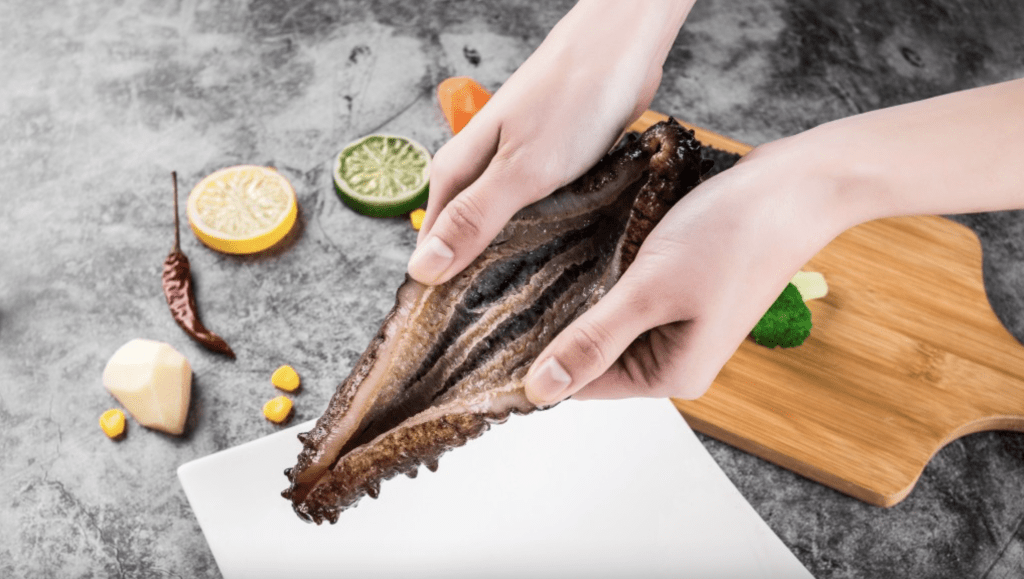
Precious and nourishing seafood delicacies are essential ingredients for the Winter Solstice and reunion dinners. The latest research has discovered that sea cucumber, one of the "Four Major Sea Delicacies," possesses anti-cancer properties. The key lies in a specific component of sea cucumber that helps prevent cancer cells from spreading, potentially even having fewer side effects than some existing drugs, offering new hope for cancer treatment.
ADVERTISEMENT
SCROLL TO CONTINUE WITH CONTENT
The latest research from the University of Mississippi in the US has found that sea cucumbers contain a unique carbohydrate compound that may effectively stop the spread of cancer cells, opening a new direction for cancer treatment. The research findings have been published in the international journal Glycobiology.
Researchers explained that human cells, and those of most mammals, are covered on their surface with a layer of tiny hair-like structures called "glycans." These aid in cell communication, immune responses, and identifying threats like pathogens. Cancer cells restructure their glycan composition by altering enzyme expression, including a key enzyme called "Sulf-2," which plays a crucial role in cancer growth and spread, thereby promoting metastasis.
The research team discovered a carbohydrate compound in the Florida sea cucumber (Holothuria floridana) – fucosylated chondroitin sulfate – that can effectively block and inhibit Sulf-2. Associate Professor of Pharmacognosy, Vitor Pomin, stated, "Theoretically, it could prevent cancer from spreading."
Research author Dr. Marwa Farrag from the Department of Biomolecular Sciences noted that marine organisms produce compounds with unique structures often rare or non-existent in terrestrial vertebrates. Therefore, the unique carbohydrate compounds in sea cucumbers are highly worthy of research.
Study Confirms Sea Cucumber Stops Cancer Spread with Fewer Side Effects
Associate Professor of Pharmacology, Joshua Sharp, pointed out that unlike other Sulf-2 regulating drugs, the sea cucumber compound does not interfere with blood clotting. "If you treat a patient with a molecule that inhibits blood clotting, one of the serious side effects is uncontrolled bleeding. The specific component we studied from the sea cucumber does not have this side effect."
Compared to carbohydrate-based drugs extracted from pigs or other terrestrial mammals, compounds extracted from sea cucumbers do not carry the risk of transmitting viruses and other harmful substances. Sea cucumber compounds might be easier to produce and safer to use. However, due to the limited population of sea cucumbers, scientists cannot easily harvest them in large quantities. Therefore, the team's next goal is to find a method to synthesize this carbohydrate compound to facilitate subsequent testing and drug development.