Many people assume they eat healthily with their three daily meals, but they might unintentionally be stepping on dietary landmines. A nutritionist has specifically listed 27 types of seemingly "healthy" foods that actually hide traps capable of harming the body and reducing lifespan. These foods may cause cancer, trigger diabetes, or lead to other health problems. Surprisingly, eggs, widely considered highly nutritious, are also on the list.’
According to a report by Japanese media 《女性セブンプラス》,registered dietitian Mochizuki Rieko pointed out that many people, in pursuit of longevity, health, or body management, often consume various foods touted as "healthy." However, she warns that the following 27 widely praised healthy foods might actually be shortening people's lifespans unnoticed. They aren't necessarily suitable for frequent consumption by everyone, and some may even increase the risk of cancer and diabetes:
Which "Healthy" Foods Conceal Health Risks?
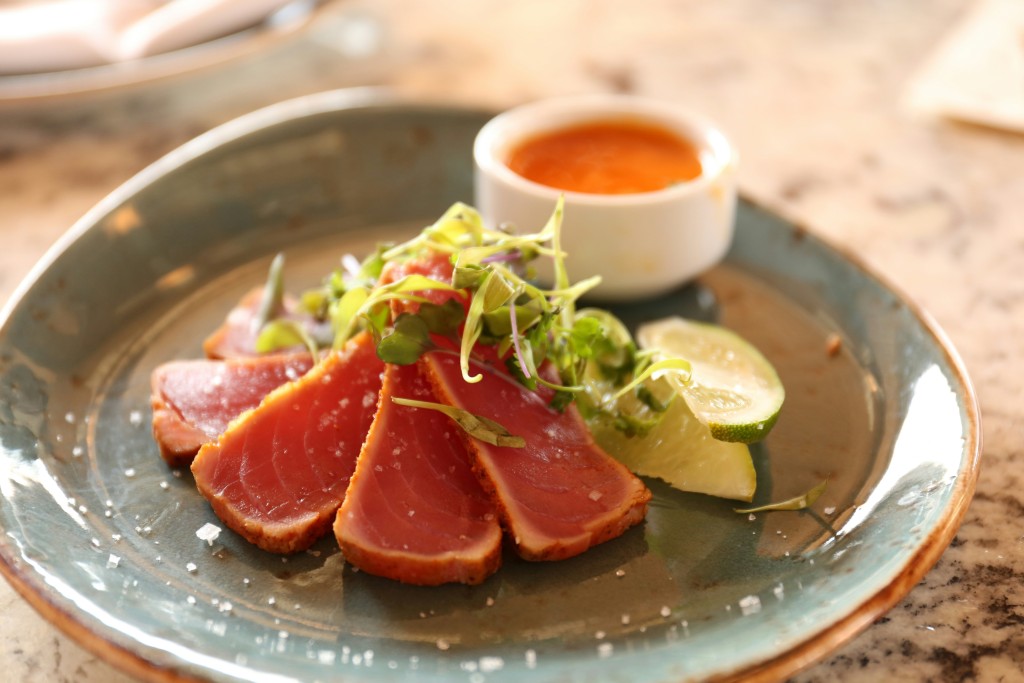
1. Tuna: While a good protein source rich in DHA and EPA, it contains relatively high concentrations of methylmercury due to bioaccumulation. Excessive intake may cause neurodevelopmental disorders, cognitive decline, and increase cardiovascular disease risk.
2. Animal Liver: Although rich in iron and other nutrients, excessive intake of Vitamin A and copper from the liver can lead to toxicity (e.g., vomiting, vision impairment). Recommended consumption is only once per week.
3. Eggs: Contain almost all essential nutrients except Vitamin C and dietary fiber, making them an easy protein source. However, due to their relatively high cholesterol and sterol content, individuals with abnormal blood lipids should limit intake to one egg per day.
4. Brown Rice: Rich in vitamins, minerals, and dietary fiber, it can effectively stabilize blood sugar fluctuations. However, individuals with weaker digestive systems may struggle to digest and absorb its nutrients, potentially leading to stomach pain.
5. Dairy Products: As an excellent calcium source, they help prevent osteoporosis. But excessive intake might increase arteriosclerosis risk. Postmenopausal women supplementing excessive calcium have a higher chance of heart disease.
6. Kimchi: Lactic acid bacteria in fermented foods benefit gut health. However, kimchi is not fermented with lactic acid bacteria, but merely pickled with chili peppers and seasonings, which might negatively impact health.
7. Cabbage: Has properties that enhance immunity and protect gastrointestinal mucosa, but its active components are heat-sensitive; cooked cabbage loses the expected health benefits.
8. Seaweed: Rich in dietary fiber and minerals. However, due to high iodine content, excessive intake might
9. Spinach: The plant-based iron in spinach has a low absorption rate. Comparatively, choosing animal-based heme iron (e.g., from fish blood) is more effective for preventing anemia.
10. Pomegranate: Rich in phytoestrogens, helping alleviate menopausal discomfort. But note that surveys indicate pomegranate juice and extract tablets usually lack estrogen components.
11. Cruciferous Vegetables: e.g., Broccoli, Chinese Cabbage, can lower cancer and heart disease risk. But the thiocyanate they contain inhibits iodine absorption; excessive consumption may lead to hypothyroidism.
12. Nuts: High in caloric density (e.g., 4g of walnuts contains ~27kcal). Overconsumption can easily lead to obesity, ironically increasing cardiovascular disease risk.
13. Gluten-Free Foods: For people without celiac disease or gluten intolerance, deliberately choosing gluten-free diets may lead to insufficient intake of vitamins, minerals, and fiber, disrupting nutritional balance (though not causing immediate harm). Healthy individuals adopting gluten-free foods entirely should pay attention to nutritional substitution.
14. Soy Products: While a good protein source, note that highly processed soy products often contain higher concentrations of salt, sugar, food additives, and fillers.
15. Cinnamon: Although rich in antioxidants, excessive intake can strongly stimulate enzyme activity, thereby weakening or enhancing drug efficacy, causing unexpected side effects. Use caution with cinnamon intake while taking any medication.
16. Vinegar: Has cholesterol-lowering effects. The acetic acid bacteria in vinegar can activate the immune system. Note: clear, filtered vinegar usually lacks these bacteria; only cloudy, unfiltered vinegar retains these active strains.
17. Water: Drinking 2 liters daily aids detoxification. Replenishing water with meals can provide about 1.5-2 liters of total fluid. However, forced excessive water consumption may dilute blood sodium, causing hyponatremia, edema, and chills.
18. Amazake (Sweet Fermented Rice Drink): Although nutritious and called "drinkable IV," note that sweet amazake is high in sugar, potentially increasing diabetes risk. Choose the version fermented with rice malt without added sugar.
19. Oral Rehydration Solution: Useful for replenishing fluids during heavy sweating outdoors. Not recommended for routine indoor consumption, as its sugar and salt content accelerates fluid absorption load.
20. Red Wine: Moderate drinkers might have lower mortality than abstainers, but the WHO recently stated that any alcohol, even in small amounts, increases cancer risk. Notably, statistics show about 16.4 percent of breast cancer cases are directly linked to alcohol consumption.
21. Coffee: Rich in antioxidants, can reduce diabetes and liver disease incidence. But each cup contains ~80mg caffeine. Daily intake exceeding the 400mg safety standard may burden the nervous system, causing insomnia, stress, stomach cramps, palpitations.
22. DHA: Intake can lower blood triglyceride levels, helping prevent arteriosclerosis. But studies show consuming over 1 gram daily increases atrial fibrillation incidence by 13percent and stroke risk by 5 percent.
23. High-Protein Supplements: These are optimized, concentrated proteins with high absorption rates, creating an instant load on the body. Furthermore, long-term intake exceeding 1.5g per kg of body weight daily may increase kidney burden. Common protein drinks contain ~10g protein per 100ml; recommended daily intake should not exceed 500ml.
24. Vitamin D: Promotes calcium absorption and helps maintain bone health. However, studies found that Vitamin D supplements don't effectively prevent fractures in healthy adults.
25. Turmeric: Moderate use in daily diet supports liver function. But when taken as supplements, its high iron content may increase liver metabolic burden, even causing liver damage.
26. St. John's Wort: Can improve insomnia and menopausal discomfort; studies confirm efficacy for depression treatment. But it may reduce other medications' effectiveness or cause serious complications. Those taking other drugs must check for interactions.
27. Multivitamins: Can alleviate fatigue and boost immunity. However, studies found that women taking health supplements had a higher risk of premature death compared to those who didn't.