Dietary fibre is an essential nutrient that must be incorporated into your daily diet if you want to improve constipation, prevent chronic diseases, and aid weight loss. According to the 2023 Health Behaviour Survey report released by the Department of Health this year, 97 percent of Hong Kong people do not consume enough fruits and vegetables.
A Japanese nutritionist has revealed a ranking of 10 high-fibre fruits and vegetables, teaching everyone which foods to source dietary fibre from to help with weight loss and improve gut health.
Japanese nutritionist Satomi Kumi shared the types and functions of dietary fibre, along with a top 10 ranking of high-fibre fruits and vegetables, in an article for the Japanese media Sankyu!. The types of dietary fibre are as follows:
- Soluble Dietary Fibre: Dissolves in water to form a gel-like substance. It slows down the rate at which the small intestine absorbs nutrients, thereby suppressing rapid blood sugar spikes, and helps expel harmful substances and excess cholesterol from the intestines. Common examples: Seaweed.
- Insoluble Dietary Fibre: Does not dissolve easily in water and therefore does not form a gel; its role is to increase stool bulk, stimulate the intestinal walls, and promote bowel movements. Common examples: Vegetables, fruits, and mushrooms.
Satomi believes that high-fibre foods indeed aid weight loss for the following reasons:
- Increases Satiety: Fibre expands in the stomach and intestines, preventing overeating.
- Stabilises Blood Sugar: Slows post-meal blood sugar rise, making it harder to gain weight.
- Improves Gut Environment: Addresses issues of decreased basal metabolism caused by constipation.
To easily supplement dietary fibre, naturally, it's best to choose foods that are "small in quantity but high in fibre". She provided rankings for categories like vegetables and fruits:
High-Fibre Vegetables Ranking (per 100g):
- 5th Place: Edamame (Frozen) - 7.3g
- Nutritional Benefits: Rich in insoluble dietary fibre, protein, iron, vitamins, and calcium.
- Consumption Tip: Although edamame is a seasonal summer ingredient, frozen edamame can be enjoyed year-round. Opt for fresh edamame during its peak season in summer, and supplement with frozen edamame at other times.
- 4th Place: Shiso Leaves - 7.3g
- Nutritional Benefits: Rich in insoluble dietary fibre and easy to use as a herb or garnish. Besides fibre, they are also rich in various vitamins and minerals.
- 3rd Place: Green Peas (Frozen) - 9.3g
- Nutritional Benefits: Rich in insoluble dietary fibre, helpful for improving constipation.
- Consumption Tip: Compared to fresh peas which need shelling, frozen green peas are convenient to cook and suitable for adding to soups to supplement fibre. Fresh green peas (containing 7.7g fibre per 100g) taste best during their peak season from April to June.
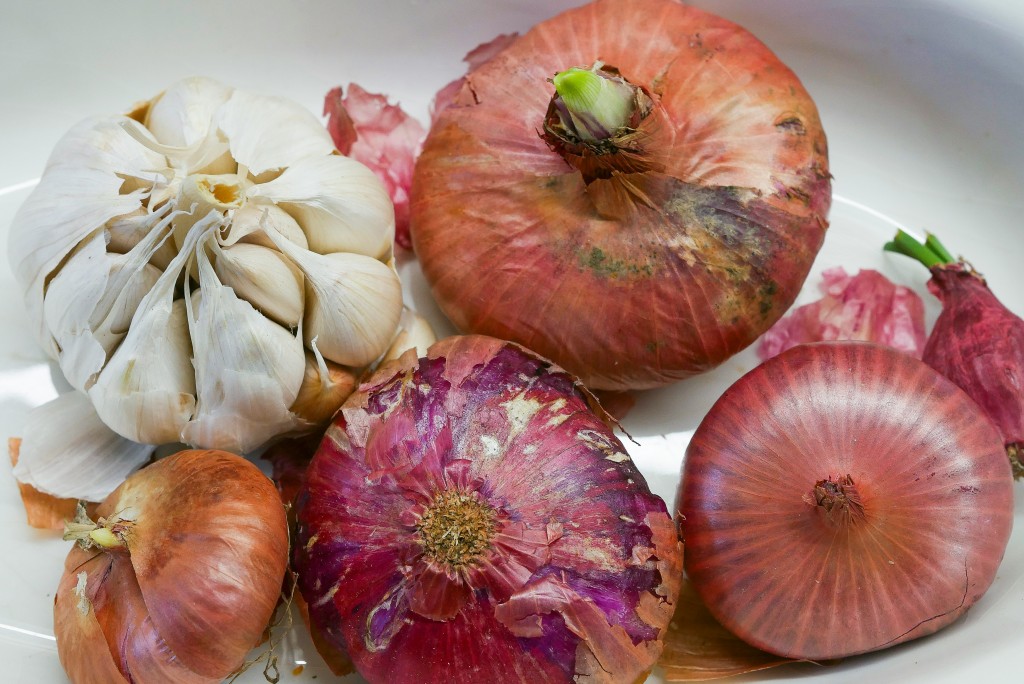
- 2nd Place: Shallots - 11.4g
- Nutritional Benefits: Shallots are a type of rakkyo (Chinese scallion), also rich in the soluble dietary fibre "fructan", with a milder flavour than rakkyo.
- Consumption Tip: Can be eaten raw with salad dressing or miso.
- 1st Place: Rakkyo / Chinese Scallion (Raw) - 20.7g
- Nutritional Benefits: Contains soluble dietary fibre "fructan", which helps lower blood lipids and promotes the absorption of minerals like calcium and iron. Contains the stimulating compound "allicin". When rakkyo is pickled, fibre is lost, so consuming it raw is most recommended.
- Consumption Tip: Recommended daily intake is about 4 bulbs (8-40g). Those with weaker digestion should consume even less. Four bulbs of rakkyo can provide approximately 1.7-8.3g of dietary fibre.
High-Fibre Fruits Ranking (per 100g):
- 5th Place: Blueberries - 3.3g
- Nutritional Benefits: Blueberries are beneficial for eye health and also rich in dietary fibre.
- Consumption Tip: Can be added to yoghurt or smoothies.
- 4th Place: Kumquats - 4.6g
- Nutritional Benefits: Rich in dietary fibre; can be eaten with the skin to obtain nutrients.
- Consumption Tip: One kumquat weighs about 20g; eating 5 provides about 4.6g of dietary fibre.
- 3rd Place: Cranberries - 4.7g
- Nutritional Benefits: Rich in soluble dietary fibre "pectin".
- Consumption Tip: Most commercially available cranberries are frozen products, and their fibre content is not significantly different from fresh cranberries.
- 2nd Place: Lemon - 4.9g
- Nutritional Benefits: Not only rich in Vitamin C but also contains a large amount of soluble dietary fibre "pectin". The viscosity of pectin slows down the emptying speed of the stomach and intestines, delays nutrient absorption, and stabilises post-meal blood sugar.
- Consumption Tip: Most of the lemon's fibre is in the peel. It can be thinly sliced and eaten with the peel or made into candied lemon peel to intake rich dietary fibre.
- 1st Place: Avocado - 5.6g
- Nutritional Benefits: Although one avocado (edible portion about 150g) can easily provide about 5.6g of fibre, it is also high in calories and fat.
- Consumption Tip: One avocado has about 263kcal, equivalent to a bowl of rice. It is recommended to limit intake to half an avocado per day and not exceed this amount.
Adults Recommended to Consume 25g of Dietary Fibre Daily
The Department of Health's 2023 Health Behaviour Survey report stated that 97 percent of Hong Kong people have insufficient intake of fruits and vegetables. The Department of Health's Population Health Survey report for 2020-2022 found that only two percent of people reported consuming an average of five or more servings of fruits and vegetables daily. This indicates that Hong Kong people have insufficient intake of fruits, vegetables, and dietary fibre, falling below the World Health Organization's recommendation for adults to consume at least 400g or five servings of fruits and vegetables daily.
The Department of Health recommends that adults and teenagers consume 25g or more of dietary fibre per day. The daily dietary fibre requirement for children is their age plus 5g. For example, the recommended daily dietary fibre intake for a 6-year-old child is 6 + 5g, equalling 11g. To consume more dietary fibre, you can use the following methods:
- Eat sufficient fruits and vegetables daily; adults should eat at least 2 servings of fruit and at least 3 servings of vegetables.
- Choose high-fibre grain foods, such as using red rice or brown rice to replace part of the white rice.
- Replace part of the meat with dried beans 2 to 3 times per week.
- Replace high-fat, high-sugar bread or biscuits with wholemeal bread or biscuits.
- Pay attention to food labels and choose more high-fibre foods.
- Increase dietary fibre intake gradually and ensure you drink at least 6-8 glasses of fluids daily. Otherwise, the body might experience diarrhoea, bloating, or flatulence.