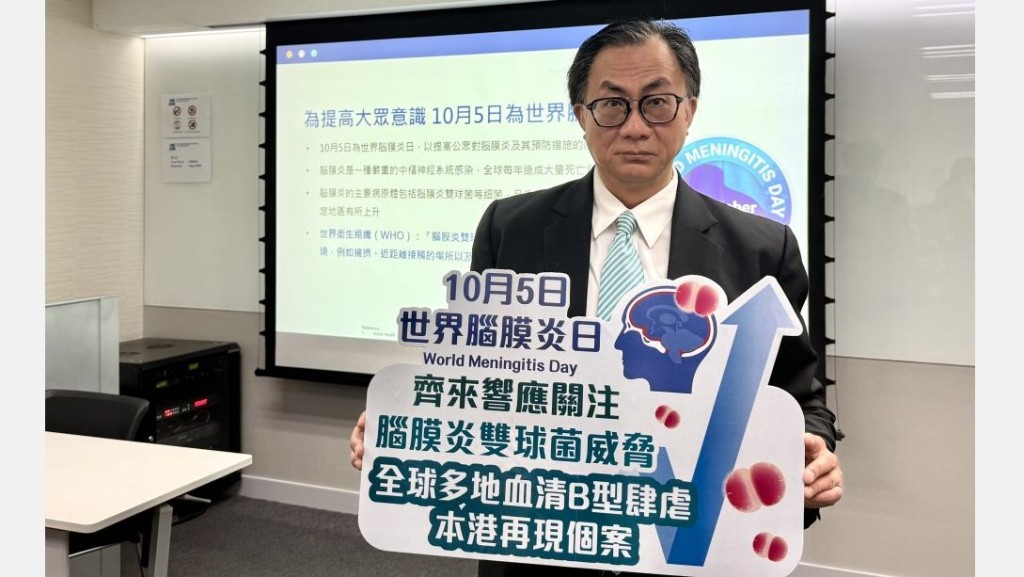
As of September this year, the cumulative number of meningococcal infection cases in Hong Kong has reached 10, setting a new single-year high for the past five years. Furthermore, two youth-related infections occurred within a single week. A doctor pointed out that meningococcus can affect anyone, anywhere, at any time, and the condition comes on "rapidly and aggressively." The time available to treat the patient is extremely urgent and brief. Even after recovery, there may be severe long-term complications.
Don't neglect Serogroup B meningococcal disease
Dr. Kwan Yat Wah, a specialist in Paediatrics (Immunology, Allergy and Infectious Diseases), stated that meningitis is a severe infection of the central nervous system. It can be caused by various pathogens, such as meningococcus. Meningitis causes a large number of deaths and disabilities globally each year, affecting approximately million people. Meningococcus is primarily transmitted through close contact, such as via respiratory droplets or direct contact. The most common symptoms in patients infected with meningococcus are fever, headache, vomiting, and bruising (petechiae or purpura). The condition can also rapidly worsen and lead to death in a short period of time. The US Centers for Disease Control and Prevention (CDC) points out that even with antibiotic treatment, approximately 10% to 15% of patients may die. Furthermore, an estimated 40% of meningitis-related deaths occur in children under the age of five. Among survivors, one in five will face long-term disabilities, including brain damage, deafness, limb amputation, and neurological problems.
Dr. Kwan stated that Invasive meningococcal disease is caused by meningococcus, and it is primarily triggered by serogroups A, B, C, W, and Y. Among these, serogroup B is the most common and the most lethal, due to its complex cell structure, which is similar to that of human cells. This is also one of the reasons that led to slow progress in vaccine development and the lack of an effective vaccine against Serogroup B for many years.
Hong Kong updates its meningococcal vaccination guidelines for the first time in 20 years
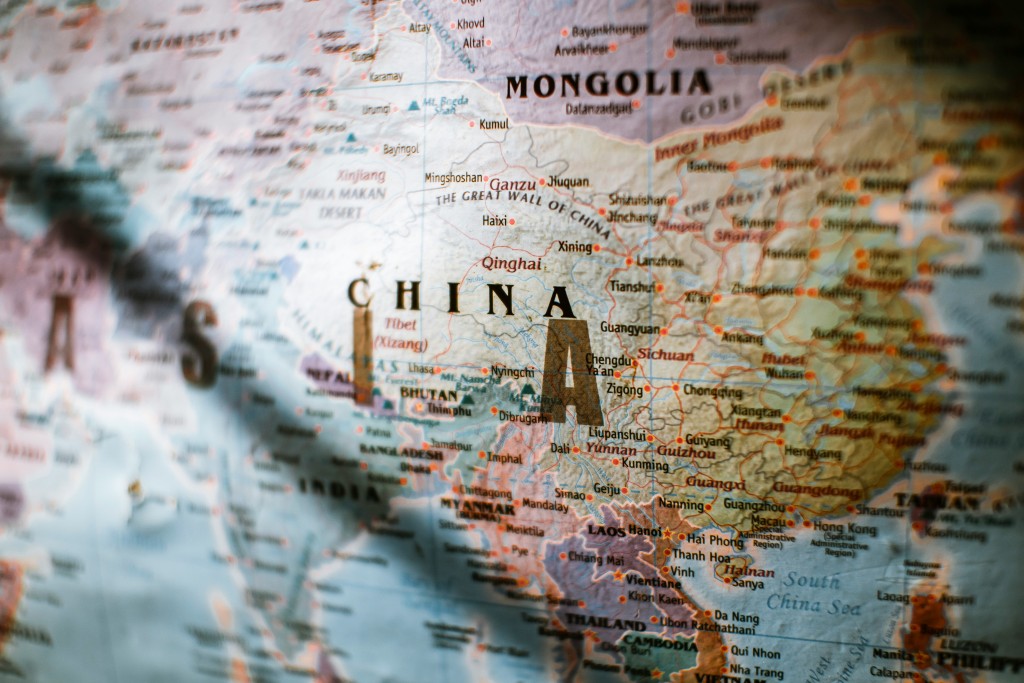
To raise public awareness of meningococcal disease and its vaccines, Hong Kong's Centre for Health Protection (CHP) updated its local meningococcal vaccination recommendations in July this year after a 20-year interval. The new guidelines clearly outline the high-risk factors for meningococcal infection, which include age, smokers, immunocompromised individuals and those travelling to highly endemic areas (such as sub-Saharan Africa). The guidelines also mention that, based on global epidemiological trends, countries like the United States, Canada, and the United Kingdom have seen an increase in cases over the past two years. Serogroup B is the predominant serogroup in these countries (though serogroup Y is the primary one in the US). Dr. Kwan stated that Serogroup B meningococcus is also widely prevalent in the Asia-Pacific region, with the distribution of cases and severity varying by country. For example, the proportion of Serogroup B meningococcal cases in China surged from 22% before 2015 to 52% after 2015.
To prevent Serogroup B meningococcal infection, Dr. Kwan advises that high-risk individuals should get vaccinated. Real-world data shows that the recombinant protein meningococcal B vaccine has an effectiveness of approximately 90% in preventing meningococcal disease in children. Despite the high protective efficacy of the vaccine, promoting vaccination still faces challenges. Many Asia-Pacific countries have not yet included the meningococcal vaccine in their routine immunization programs, and their surveillance systems also vary. To enhance protective awareness, it is recommended that healthcare professionals should proactively provide information related to meningococcal disease and offer prevention advice to high-risk groups.