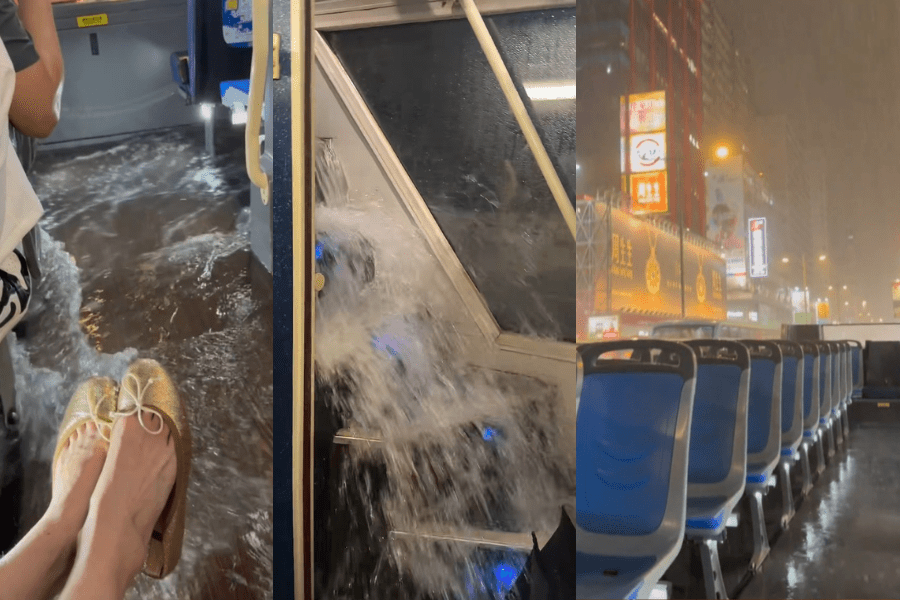
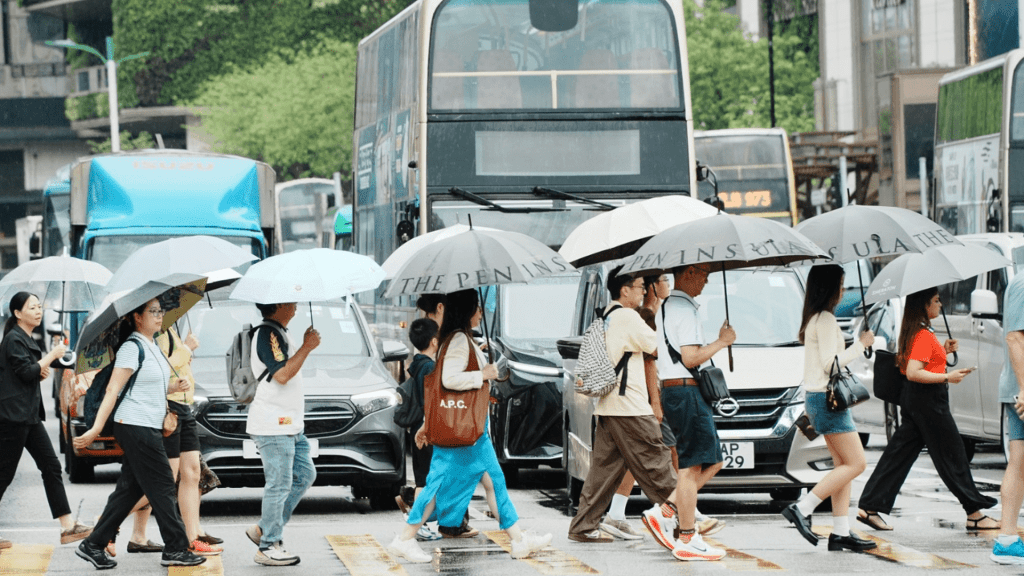
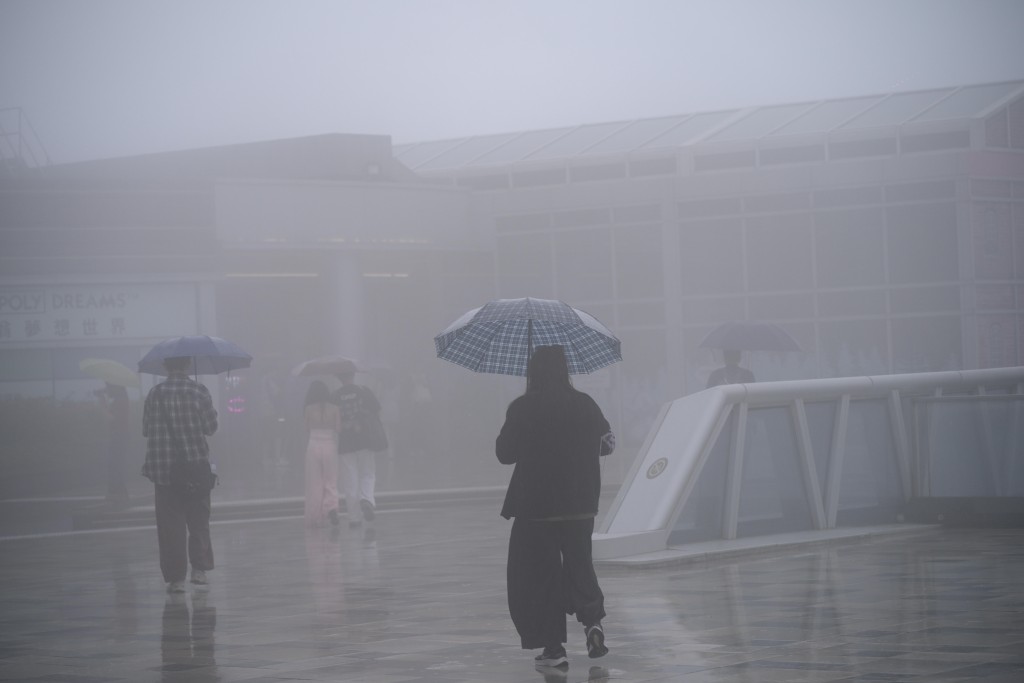
In an era of intensifying climate crises, the true test of a metropolis lies in its response to nature’s fury. This week, Hong Kong faced that test head-on with Super Typhoon Ragasa, one of the most powerful storms ever recorded. The outcome stands as a powerful testament to effective governance and community cooperation: zero fatalities, a stark contrast to the tragic losses seen in other regions.
This success story is not one of luck, but of a meticulously executed strategy that offers a critical lesson in urban resilience.
Proactive leadership and clear communication
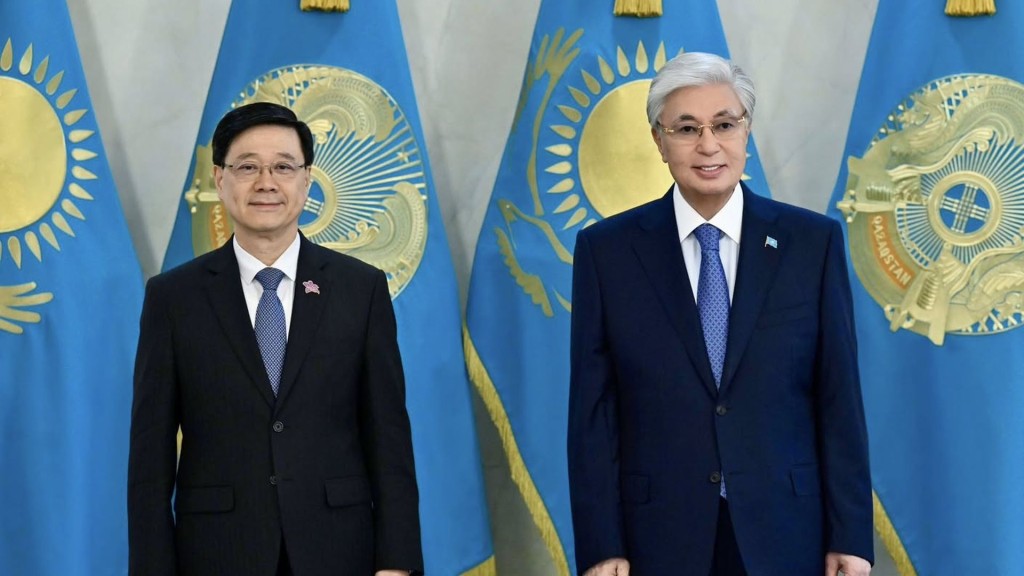
The foundation of Hong Kong’s effective response was laid days before the typhoon made landfall. The administration, led by Chief Executive John Lee Ka-chiu, broke from tradition by issuing early, frequent, and unequivocal warnings about Ragasa’s severity. This top-level commitment set a clear tone of urgency, cutting through potential public complacency. By consistently appearing before the media, the leadership ensured a single, authoritative source of information, which was crucial for coordinating the city’s preparations and maintaining public trust.
Seamless inter-departmental execution
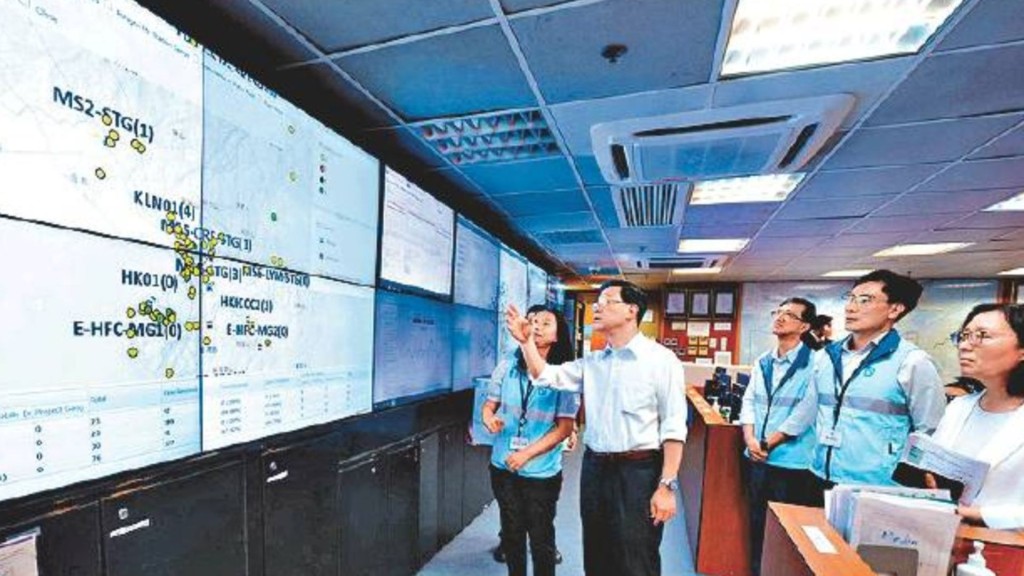
A plan is only as good as its execution. Various government bureaus and departments demonstrated remarkable synergy. The Drainage Services Department worked proactively to prevent flooding, a perennial issue during heavy storms. The Fire Services Department and the Hong Kong Police Force were on high alert, prepared for emergencies.
A key to the swift recovery was the government’s agile decision to preemptively hire additional manpower and secure equipment like mobile powerful pumping robots.
This forward-thinking move allowed for rapid clearance of debris and floodwaters, enabling roads to be reopened with unprecedented speed. Unlike past typhoons where recovery took days, the city’s arteries were cleared almost immediately after the worst had passed, allowing society and commerce to resume without prolonged disruption.
Public cooperation and enforcement
The success story is also one of a responsible citizenry. The vast majority of Hongkongers heeded government advice, staying indoors and securing their properties. This collective action undoubtedly prevented countless injuries. However, a small minority ignored the warnings, engaging in irresponsible behavior that put themselves and potential rescuers at risk. This highlights an area for improvement: the government must step up enforcement and penalties for those who disregard safety orders during extreme weather events. Upholding public safety is a shared responsibility, and accountability is essential.
Economic stability and a lesson for the world
The minimal disruption had a direct positive impact on the economy. The Hong Kong stock market was able to trade for two consecutive days and even for the first time under typhoon signal No 10, with stable turnover and market performance. This minimized economic losses and sent a strong signal to international investors about the city’s robustness in the face of crises.
This event is more than a local success; it is a compelling narrative for the world. It demonstrates that with decisive leadership, inter-agency coordination, and public partnership, the devastating impacts of climate-enhanced disasters can be significantly mitigated.
As extreme weather becomes more frequent, the lesson from Typhoon Ragasa is clear: preparedness pays. Hong Kong has provided a valuable blueprint for building a safer, more resilient urban future.