





Read More












One dead, four injured in Jordan flat fire, 200 residents evacuated
22-05-2026 00:48 HKT


ImmD crackdown targets moonlighting domestic helpers arresting 17
19-05-2026 17:52 HKT


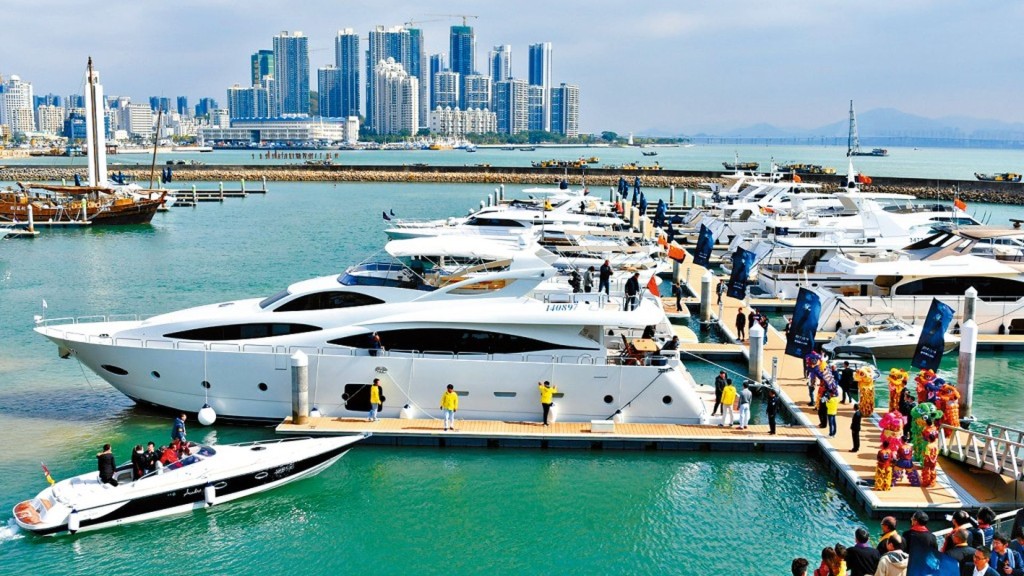
With new berth proposals and cross-border policy discussions, Hong Kong is positioning itself as a maritime lifestyle hub for the Greater Bay Area.
Hong Kong’s push to develop yacht tourism marks a significant step toward becoming a truly international coastal metropolis.
By harnessing its natural maritime advantages, the government is actively identifying sites for new berthing facilities – a move welcomed by tourism and real estate stakeholders alike.
At the heart of this initiative is the proposed redevelopment of the Aberdeen Typhoon Shelter. Under current plans, the site would feature 200 yacht berths, alongside 250 high-end residential units, recreational facilities, and a marine education walkway connecting to Ocean Park.
If successful, the project could serve as a replicable model for other coastal zones across the city.
Yacht tourism has long been underdeveloped in Hong Kong, despite the city’s extensive coastline and proximity to affluent markets. Advocates argue that investing in this sector is essential for elevating Hong Kong’s global standing – drawing comparisons with Monaco, where luxury maritime lifestyle drives tourism and investment.
With the Greater Bay Area’s growing population of high-net-worth individuals, there is substantial demand for premium maritime experiences. Mainland China’s import tariff on yachts – currently as high as 40 percent – makes Hong Kong a uniquely attractive base for yacht ownership. By positioning itself as a regional yachting hub, Hong Kong can attract wealthy buyers who would otherwise face prohibitive costs.
To fully realize this vision, the government is engaging with Guangdong authorities on a reciprocal scheme summarized as “Hong Kong yachts go north, mainland yachts go south.” Such a framework would streamline cross-border maritime travel – a critical enabler for yacht owners and charter operators.
A thriving yacht tourism sector would generate demand across food and beverage, retail, hospitality, and luxury services.
It would also create sustainable job opportunities in maintenance, repair, and marine operations, offering skilled employment for local workers.
The proposed marine education walkway adds cultural and ecological value, allowing residents and visitors to engage with the marine environment meaningfully. With Hong Kong surrounded by sea and biodiversity conversations gaining momentum, this is a natural fit.
Hong Kong’s coastline stretches over 200 kilometers, offering immense potential for similar developments.
The government has already identified five priority berth zones – including Tai Tam Bay, Stanley Bay, Kei Ling Ha Hoi, Tai O, and Repulse Bay – which together could accommodate up to 115 yachts of up to 40 meters in length.
As Hong Kong diversifies its tourism offerings and strengthens its position within the Greater Bay Area, yacht tourism presents a rare convergence of economic, social, and environmental opportunity.
With thoughtful planning and cross-boundary cooperation, the city is well-positioned to become Asia’s premier yachting destination, offering a lifestyle that blends luxury, nature, and urban sophistication.