Read More
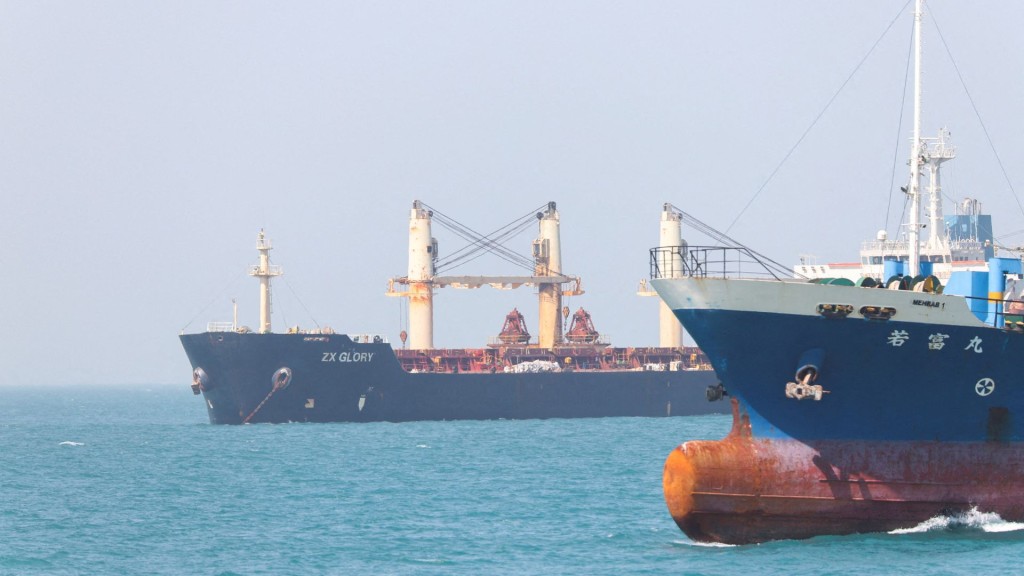
The geopolitical landscape of the Middle East has shifted from brinkmanship to outright confrontation. What began as threats to close the Strait of Hormuz has rapidly escalated into direct strikes on energy infrastructure.
ADVERTISEMENT
SCROLL TO CONTINUE WITH CONTENT
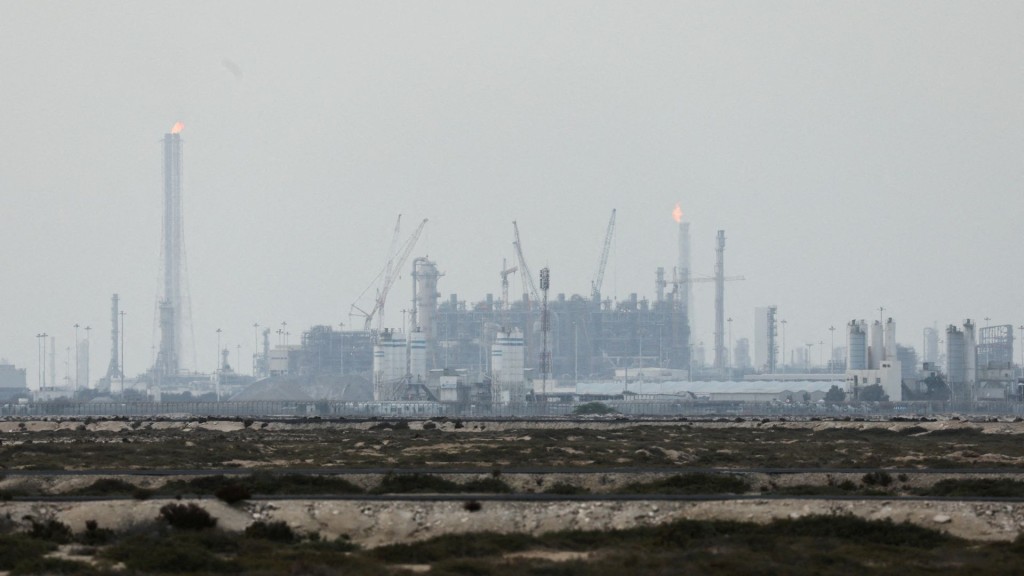
The recent exchange – where Israel bombed Iranian gas fields, followed by retaliation affecting gas sites in Qatar – marks a dangerous new phase. With US President Donald Trump threatening to strike Iran’s Kharg Island, the hub for 90 percent of Tehran’s oil exports, the world is staring at a potential supply shock of unprecedented scale.
For decades, global markets have fixated on crude oil. However, the current crisis underscores a more fragile vulnerability: natural gas.
Unlike its neighbors, Qatar sits on the world’s third-largest natural gas reserves, not oil. It is a linchpin of the global Liquefied Natural Gas market.
When gas infrastructure becomes a target – even indirectly – the ripple effects are immediate and severe.
Even if the Strait of Hormuz were to reopen tomorrow, the damage to production facilities means there may be little fuel left to export.
The hidden dependency on gas.
While oil powers transportation and petrochemicals, natural gas is the invisible backbone of modern electricity grids; it is the fuel that keeps the lights on. In Asia, this dependency is acute.
Natural gas accounts for roughly one-third of Japan’s energy mix, half of Hong Kong’s power generation, and nearly 90 percent in Singapore. Across Europe, nations that once relied on Russian pipelines are now scrambling for LNG cargoes previously destined for Asia.
The world is currently in a precarious energy transition. Low-carbon sources like renewables, hydrogen, and nuclear power together contribute less than 10 percent of global energy consumption.
In the race to reduce greenhouse gas emissions, many economies replaced coal with natural gas as a “bridge fuel.” That bridge is now under attack.
The economic domino effect
The markets have already sounded the alarm. Natural gas futures spiked more than 30 percent yesterday. This is not merely a trading anomaly; it is a harbinger of broader economic distress. Soaring gas prices translate directly into higher electricity bills for households and increased operating costs for manufacturers.
This inevitable surge will fuel inflation at a time when central banks are struggling to control it, potentially triggering a cost-of-living crisis across multiple continents.
A policy reckoning for Hong Kong
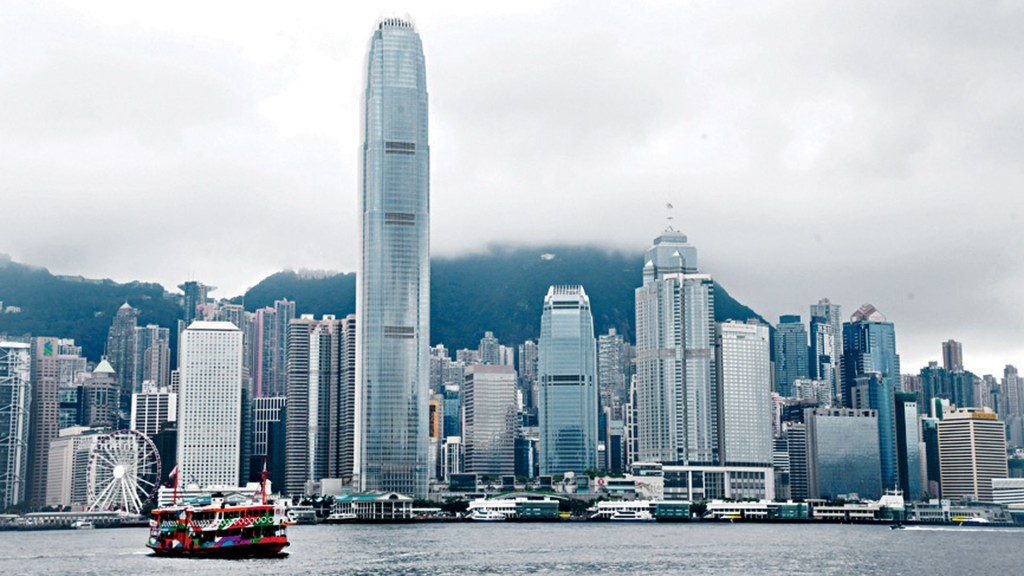
For Hong Kong, a city that imports virtually all of its energy, this is not a distant worry – it is a direct threat.
The city’s fuel mix, heavily reliant on natural gas, leaves it exposed to the volatility of the global LNG market.
This moment must serve as a catalyst for comprehensive policy review. Hong Kong cannot control global spot prices, but it can control its resilience.
The government must seize this chance to enhance energy self-sufficiency.
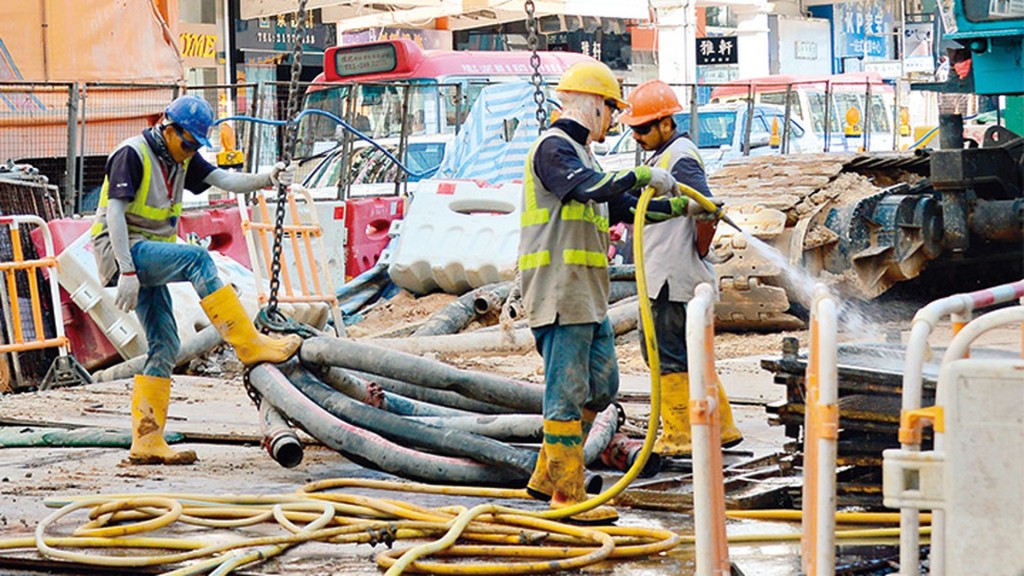
This means diversifying suppliers and building strategic storage, but also embracing structural change. We need re-electrification, shifting transport and heating to clean electricity, alongside decentralization like rooftop solar installations; and demand flexibilization through smart grids to ease peak load.
Advanced concepts like Power-to-X – converting surplus renewables into storable fuels – and sector coupling – integrating power with transport and industry – offer long-term solutions.
Crucially, deeper energy collaboration with mainland China – integrating into the national grid and securing long-term contracts – can shield Hong Kong from global market volatility.
The Pandora’s Box has been opened, and no one knows when this will end. The illusion of stable, cheap energy has been shattered. The path forward requires a holistic energy strategy that prioritizes security as fervently as it does sustainability.