Read More

HKO forecasts showers Tuesday, tracks possible cyclone east of Philippines
21-09-2026 17:31 HKT
John Lee and CY Leung lead pallbearers for Tung Chee-hwa
20-09-2026 15:54 HKT


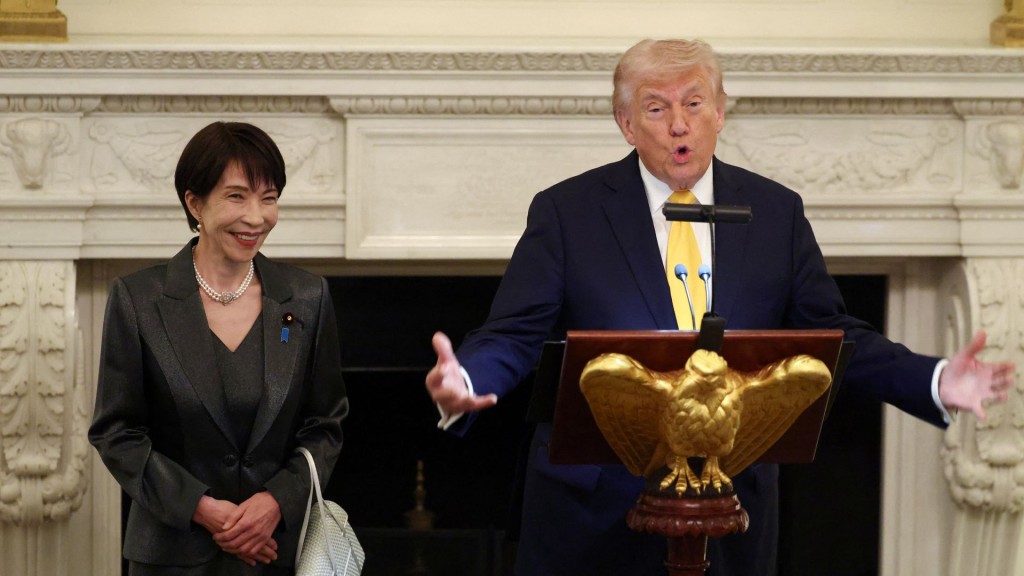
Japanese Prime Minister Sanae Takaichi’s visit to the United States was highlighted by President Donald Trump’s joke about Pearl Harbor, which sparked backlash in international media over its “disrespectful” and “insensitive” nature.
Trump pointed to the Imperial Japanese Navy’s “surprise attack” on the US on 7 December 1941 when he was asked by a Japanese reporter about his own “surprise attack” on Iran just a few weeks ago.
Indeed, Japan’s attack on Pearl Harbor triggered the Pacific War and the subsequent defeat and US occupation of Japan. Since then, Japan has been constrained by its pacifist constitution and a host of multiple US military bases.
The pacifist nature of the Japanese military and the presence of foreign armed forces in the country have led to Japanese right-wing revisionists’ complaints about being an American colony, as well as endeavors for a “normalization” of their country for decades.
The relative decline of US military power has presented a golden opportunity for the right-wing revisionists, as Washington is asking Tokyo to take up more responsibility in its strategy of containing China, and Takaichi’s rise to power has made the revisionists’ dream more attainable than ever.
However, Trump’s reckless war against Iran has shown that Washington’s self-contradicting foreign policy is hurting Japan’s interests, as the US being entangled in the Middle East would draw away its attention and resources from East Asia.
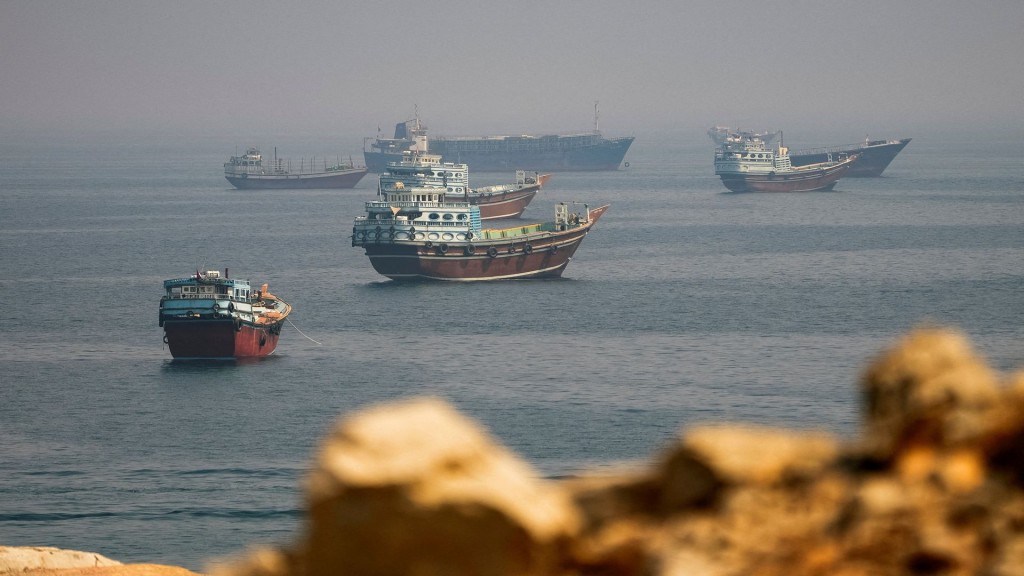
The US military action has also hindered Japan’s energy security, as about 95 percent of the country’s total crude oil imports come from the Middle East, between 74 percent and 90 percent of which must pass through the Strait of Hormuz.
The effective blockade of the strait could cause sharp rise in Japan’s fuel, electricity and food prices, exacerbating the country’s ongoing inflation crisis and weakening the mandate of the Takaichi administration.
Compared to the abovementioned problems, the “disrespectful” Pearl Harbor joke seems to be the least important issue facing Takaichi.
However, Trump’s joke also reflects the deep-seated historical bitterness between the US and Japan, and how the US views themselves as the victor in the war and therefore having the right to dictate Japan’s foreign policy.
Trump’s war with Iran and his request for Japan to send warships to escort ships in the Strait of Hormuz have shown that Washington and Tokyo’s interests do not always align, and Japan may have to pay a high price due to Trump’s irresponsible actions.
Even during the tenure of Shinzo Abe, Takaichi’s mentor, Tokyo trod a relatively balanced approach between Washington and Beijing, as Abe understood the economic benefits brought by cooperating with China.
But Takaichi is putting all her eggs in one basket – and the basket is being held by Trump who has done nothing but destabilize the global order, breaking international laws and antagonizing his allies.
As many of Washington’s Western allies refuse to be drawn into Trump’s unilateral war with Iran and its Arab allies caught in the crossfire, does Takaichi really think the US is still a reliable security guarantor?