Read More
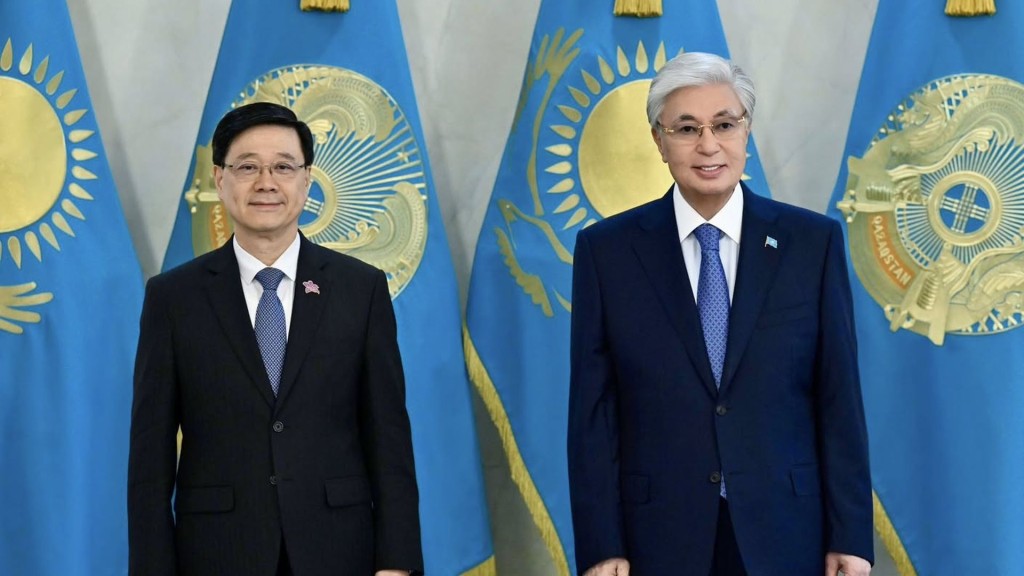
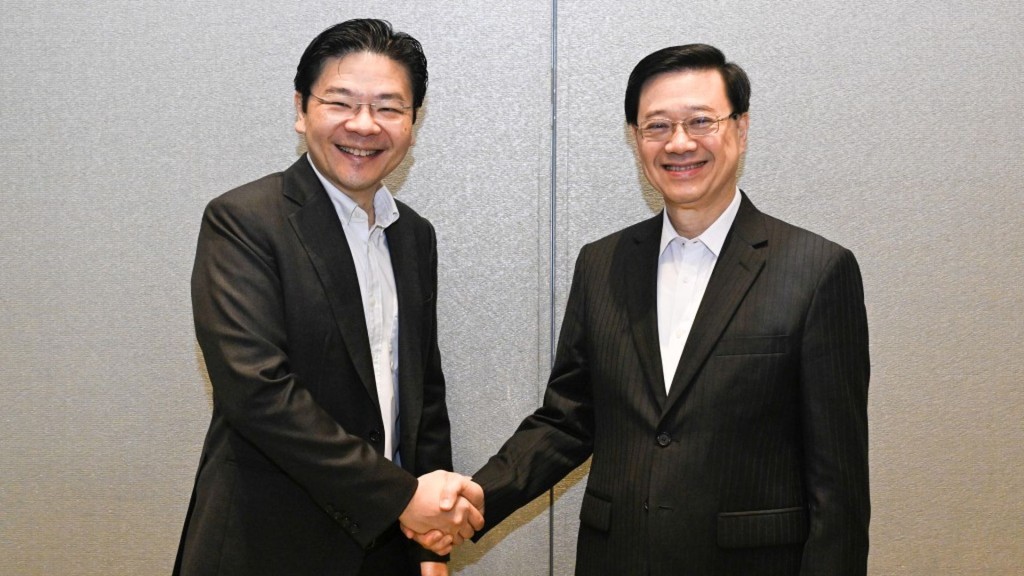
As Singapore Prime Minister Lawrence Wong meets Hong Kong Chief Executive John Lee Ka-chiu, the Asian financial hubs have more to gain from synergy than rivalry – leveraging unique gatekeeper roles for mutual growth.
ADVERTISEMENT
SCROLL TO CONTINUE WITH CONTENT
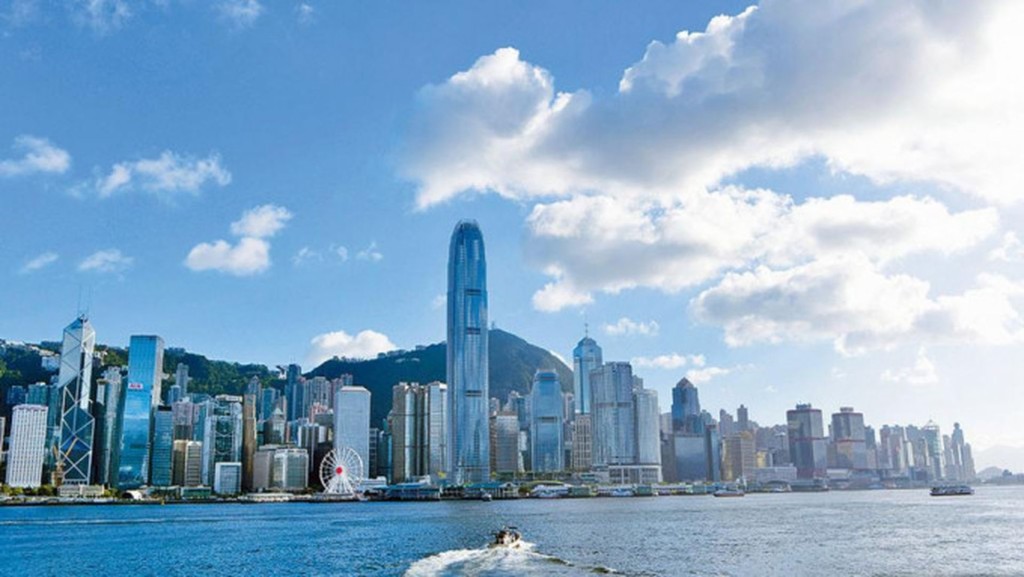
For decades, Hong Kong and Singapore have been cast as perennial rivals – two compact, prosperous city-states vying for the title of Asia’s top financial center. Yet the current visit of Wong to Hong Kong, his first since assuming office in 2024, serves as a timely reminder that the “Asian Tigers” share far more in common than divides them. Greeted by Lee, the meeting underscored a reality often overlooked: collaboration, not competition, may be the key to unlocking the next chapter of growth for both.
At first glance, the parallels are striking. Both are hyper-dense, developed economies serving as gateways to vast hinterlands. Hong Kong enjoys the unique advantage of being the premier offshore gateway to mainland China, while Singapore acts as the strategic launchpad into the nine other Asean nations – a bloc with immense demographic and developmental momentum. Both are predominantly Chinese-majority societies, fostering deep cultural affinities, seamless communication, and significant bilateral people flow. With limited land but high GDP per capita, the two cities face similar challenges in urban planning, talent retention, and economic diversification.
This moment is particularly opportune for Hong Kong. As global economic gravity shifts toward Asia under the “East Ascending, West Descending” paradigm, Hong Kong is doubling down on its future through the Northern Metropolis – a massive development project poised to become a new engine for innovation, housing, and cross-boundary integration with mainland China. This 30,000-hectare area is designed not merely as residential space but as a strategic hub for industries like advanced manufacturing, life sciences, and technology, creating a new corridor for collaboration.
Rather than duplicating efforts, Hong Kong and Singapore can leverage their unique strengths to ride this wave. Imagine Hong Kong tapping into Asean markets by leveraging Singapore’s deep-rooted expertise in the region. Singapore’s decades of experience navigating Asean’s regulatory landscapes, Islamic finance, and supply chain logistics could be paired with Hong Kong’s formidable capital markets and strong connection to Chinese enterprises. The result would be a “double gateway” effect, allowing capital and commerce to flow seamlessly from North Asia into Southeast Asia and vice versa.
Conversely, consider the case of a mainland Chinese technology firm seeking to expand into Singapore or the broader Asean region. By first establishing a presence in Hong Kong – where common law systems, bilingual talent, and familiar business practices mirror the mainland’s needs – companies can use the city as a staging ground. They can then partner with Singapore-based incubators, such as SGInnovate, a government-owned innovation platform, or tap into regional venture capital networks to scale across Southeast Asia. This layered approach mitigates risk and accelerates market entry.
We have already seen successful precedents. The Hong Kong-Singapore FinTech Collaboration agreement, signed in recent years, facilitates cross-border trade and investment between the two financial ecosystems. Similarly, the Asean-Hong Kong Free Trade Agreement has deepened trade flows, with Singapore serving as a key conduit. In innovation, the Lianhe Zaobao “Business Pioneers” series frequently highlights cross-border partnerships, where Hong Kong’s listing rules and Singapore’s intellectual property management combine to help biotech startups access both Chinese and Southeast Asian markets.
Ultimately, the narrative of rivalry is outdated. With the “East Ascending, West Descending” trend reshaping global supply chains, and Hong Kong’s Northern Metropolis offering a new platform for innovation and connectivity, the two cities have an opportunity to function as complementary hubs. By sharing best practices in sustainable development, talent mobility, and digital finance, Hong Kong and Singapore can strengthen the entire region’s resilience. The meeting between Prime Minister Wong and Chief Executive Lee should not be a diplomatic formality, but the beginning of a more intentional partnership – one that transforms two tigers from competitors into collaborators at the heart of Asia’s ascent.