City Voices
Trending
Hong Kong
Business
International
Racing
Lifestyle
Showbiz
Sport
Opinion
Games
ePaper
City Voices
Trending
Hong Kong
Business
International
Racing
Lifestyle
Showbiz
Sport
Opinion
Games
OPINION
EDITORIAL
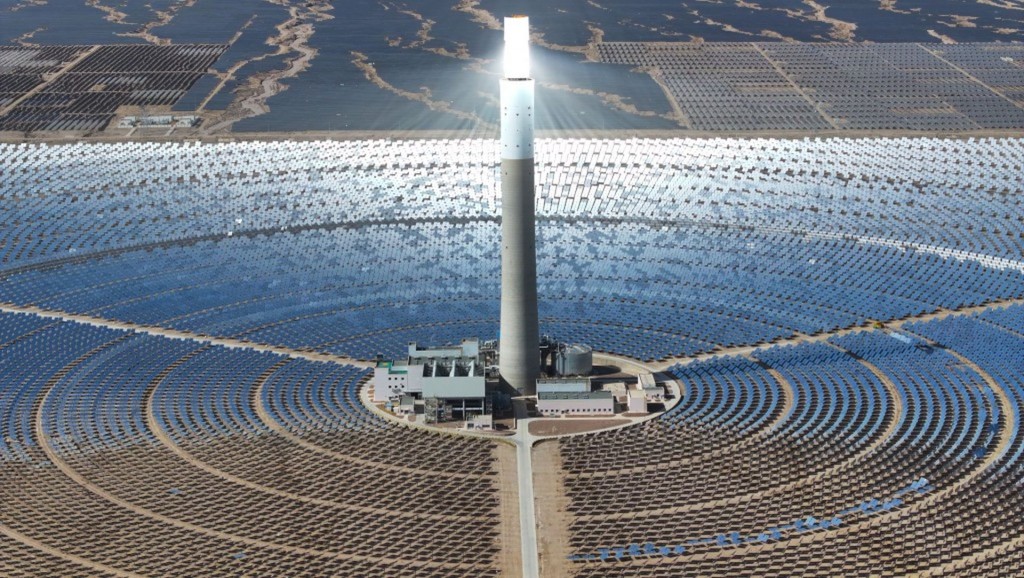
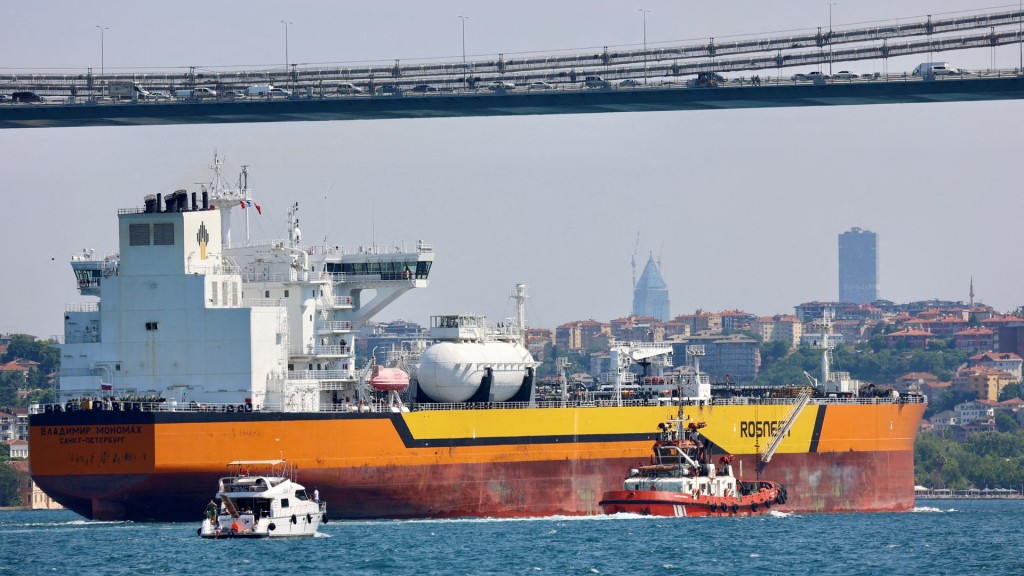
Beyond the energy crunch: amid Middle East turmoil, how China is racing toward self-sufficiency
EDITORIAL
1 hour ago
Top News
Read More
Price transparency alone won’t fix Hong Kong’s fuel market riddle: structural reform is long overdue
EDITORIAL
23-03-2026 03:53 HKT
While the Gulf burns, Hong Kong clings to a fragile energy mix that leaves it exposed to global shocks
EDITORIAL
20-03-2026 06:59 HKT
Beyond the pump: world’s priciest petrol signals urgent need for Hong Kong energy reform
EDITORIAL
19-03-2026 04:29 HKT
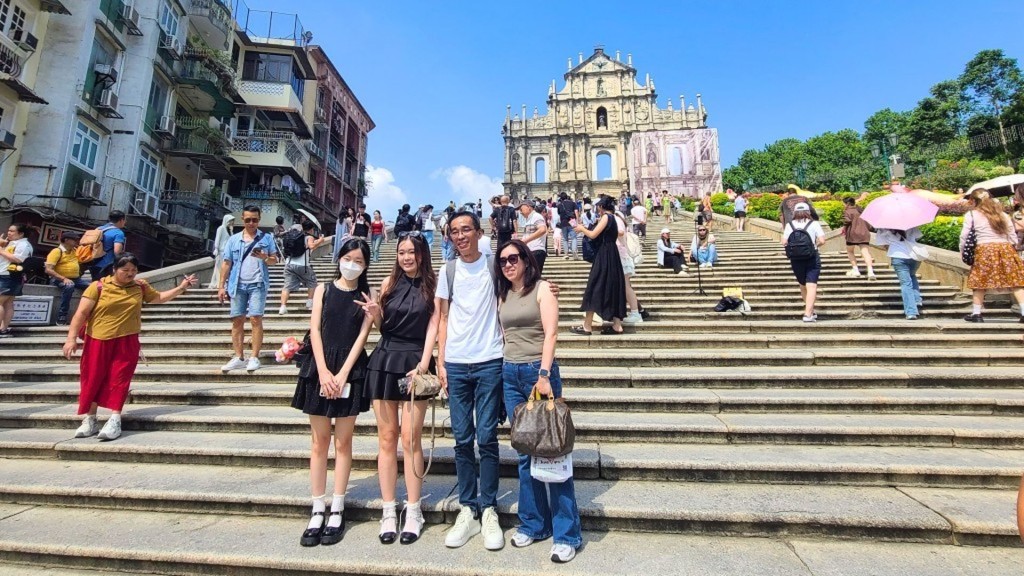
Macau smashes records, Hong Kong rises: tourism is telling the GBA’s complete story to the world
EDITORIAL
18-03-2026 05:10 HKT
Beyond the battlefield: the destruction of Persian heritage is a crime against civilization
EDITORIAL
17-03-2026 05:00 HKT
China’s prudent restraint: why staying on the sidelines in Iran prevents global catastrophe
EDITORIAL
16-03-2026 06:23 HKT
Hong Kong’s market integrity under spotlight: regulators strike against insider trading ring
EDITORIAL
13-03-2026 04:08 HKT
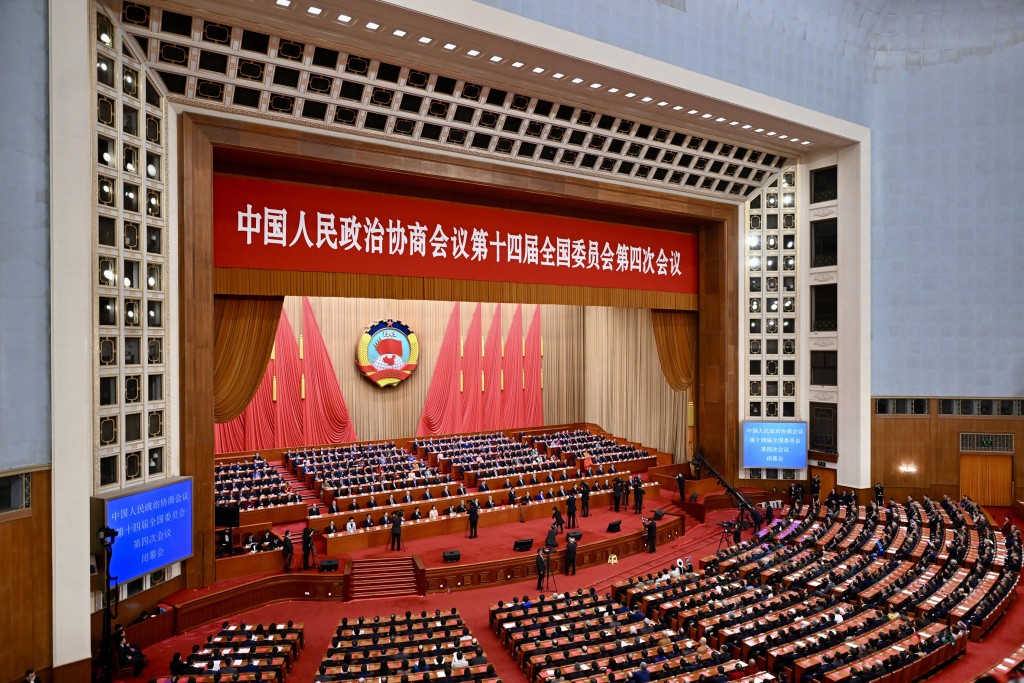
Seizing the ‘15th Five-Year’ blueprint: a crucial opportunity for Hong Kong’s future development
EDITORIAL
12-03-2026 02:32 HKT
Beyond the lobster: why we must embrace AI as the catalyst to rediscover irreplaceable human value
EDITORIAL
11-03-2026 04:38 HKT
Global fuel crisis sparks opportunity: Hong Kong’s strategic pivot to drive China’s energy diplomacy
EDITORIAL
10-03-2026 01:21 HKT
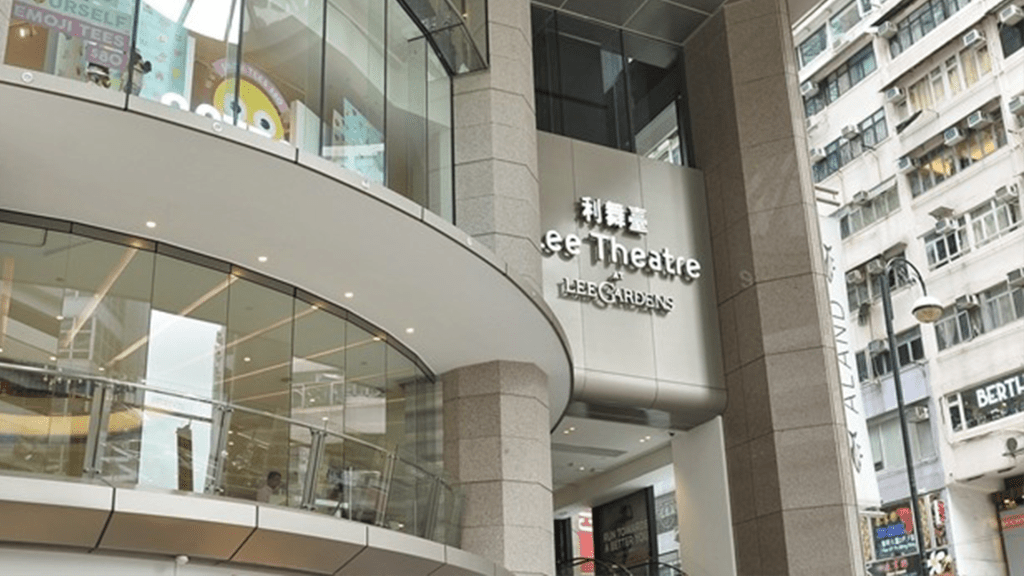
Newborn dies after being found abandoned in Causeway Bay mall
NEWS
16 hours ago
Skateboarder's violent tremors after taking 'space oil' in MTR car sparks concern
SOCIAL BUZZ
23-03-2026 05:21 HKT
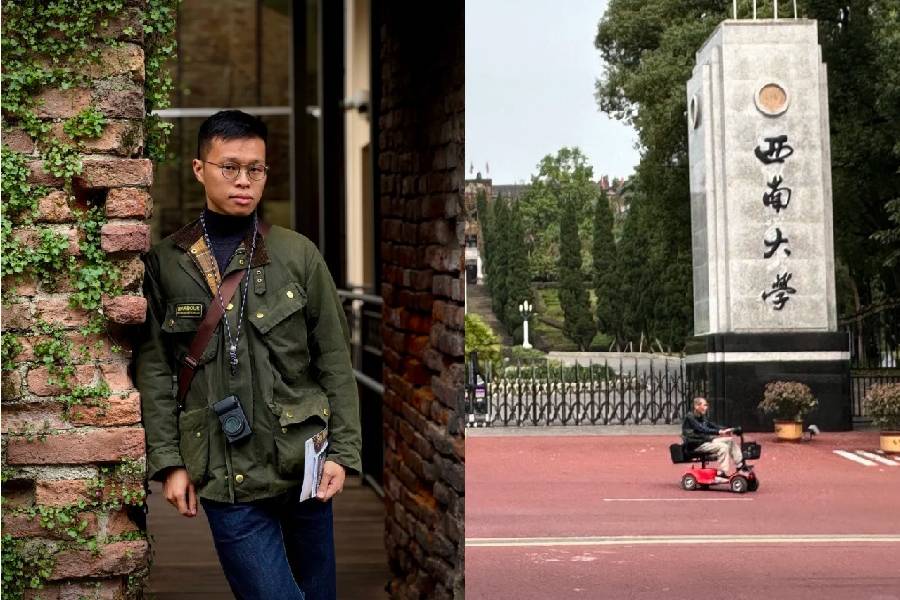
Carrie Lam’s eldest son joins Southwest University China-Greece civilizations exchange center for postdoctoral research
NEWS
21-03-2026 16:25 HKT