Read More


2 dead after bus rear-ends broken-down taxi on Tsing Ma Bridge
31-03-2026 00:49 HKT
MTR launches first Q-train with new signaling system on Tsuen Wan Line
29-03-2026 17:41 HKT


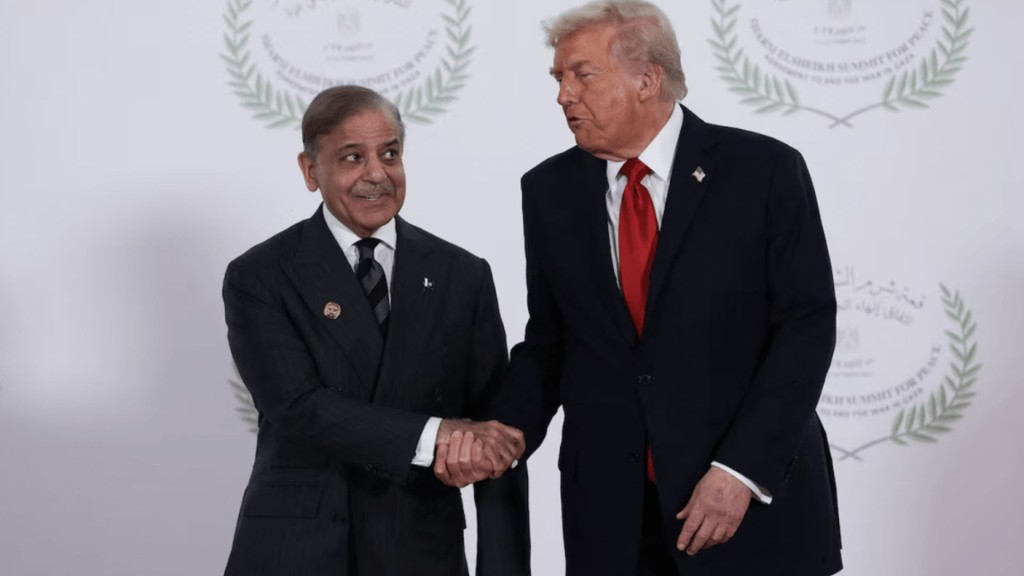
Leveraging historical ties, geographic positioning, and shared relations with China can unlock new opportunities in cultural diplomacy.
Pakistan’s emergence as a key intermediary in the recent Iran incident has drawn global attention to its growing diplomatic stature. For many observers, the question arises: Why is Pakistan, a predominantly Sunni nation, stepping into a pivotal role involving Shia-majority Iran, when other Muslim-majority countries are geographically closer or more prominently aligned?
The answer lies in a combination of deep-rooted historical ties, pragmatic geography, and strategic diplomatic alignment – factors that not only explain Pakistan’s unique position but also present an opportunity for Hong Kong to deepen its own engagement with the Global South.
Pakistan’s connection to Iran is not merely geopolitical; it is cultural and historical. The region that is now Pakistan was profoundly shaped by Persian influence, particularly through the Mughal Empire. Its founder, Babur, hailed from Central Asia, but it was due to the exile of his son, Humayun, in the Persian Empire that a lasting cultural fusion took root. When Humayun returned, he brought Persian artisans, architects, and scholars, giving rise to a golden age of art, architecture, literature, and economy. This legacy is still visible today in the region’s miniature painting, garden design, and literature.
This cultural continuum is embodied by contemporary artists such as Shahzia Sikander, the Pakistani-American artist commissioned to adorn the M+ museum facade in Hong Kong. Sikander trained as a miniature painter in Lahore – a historic Mughal cultural center – demonstrating how centuries-old traditions continue to resonate globally.
Geographically, Pakistan occupies a uniquely strategic position. Unlike Turkey or Arab states of the Persian Gulf, Pakistan shares a land border with Iran and maintains a delicate balance between its own Sunni majority and a significant Shia minority. Its relative distance from the Middle East’s core rivalries allows it to act with a degree of insulation, making it a more palatable interlocutor for Tehran.
Crucially, Pakistan – like Iran – has long maintained a stable and constructive relationship with China. This shared foundation of trust with Beijing provides an additional channel for communication and mediation, further elevating Pakistan’s role in regional diplomacy.
As China continues to strengthen ties with Global South nations, Hong Kong is also well-positioned to leverage its own societal diversity.
The city is home to a substantial Pakistani community, and its historic role as a cultural crossroads offers a natural platform for deeper engagement.
Cultural diplomacy offers a practical pathway. This column has previously suggested utilizing exhibitions to foster connections between South Asian communities and the broader Hong Kong populace. One example is “Imperial Carpets – Islamic Art,” a showcase at the Palace Museum featuring Mughal-era masterpieces.
Such initiatives not only celebrate shared heritage but also build people-to-people bridges that support long-term economic and diplomatic ties.
Rather than viewing Pakistan’s rising profile as a distant geopolitical development, Hong Kong should see it as an invitation to draw on existing connections, understand the communities already living among us, and position itself as a hub for cultural exchange between China and the Global South.