While the world grapples with energy shortages, Hong Kong’s apparent calm masks a fragile reliance on opaque supply chains. The government owes its citizens a clearer picture of how the lights will stay on.
The paradox of calm
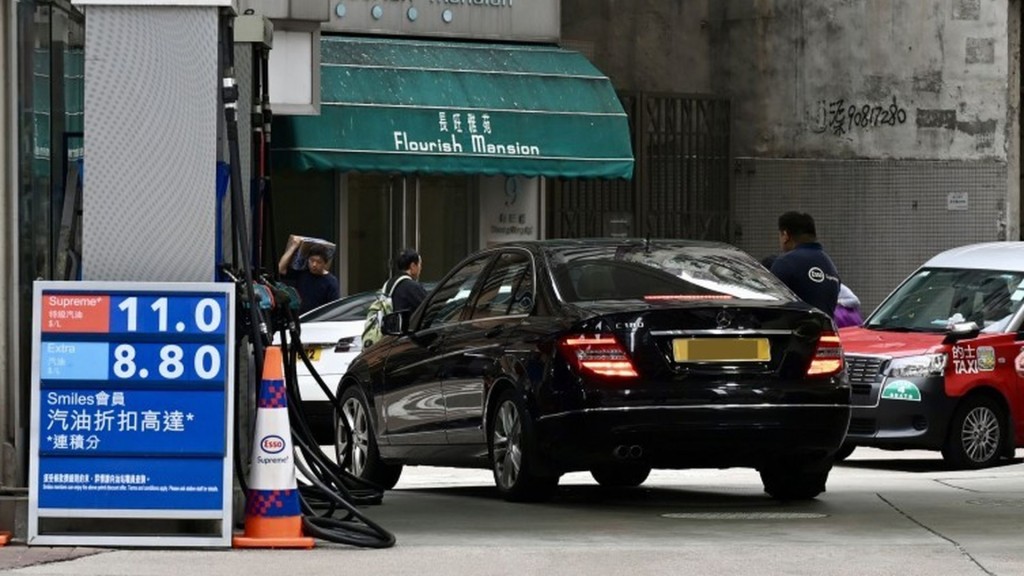
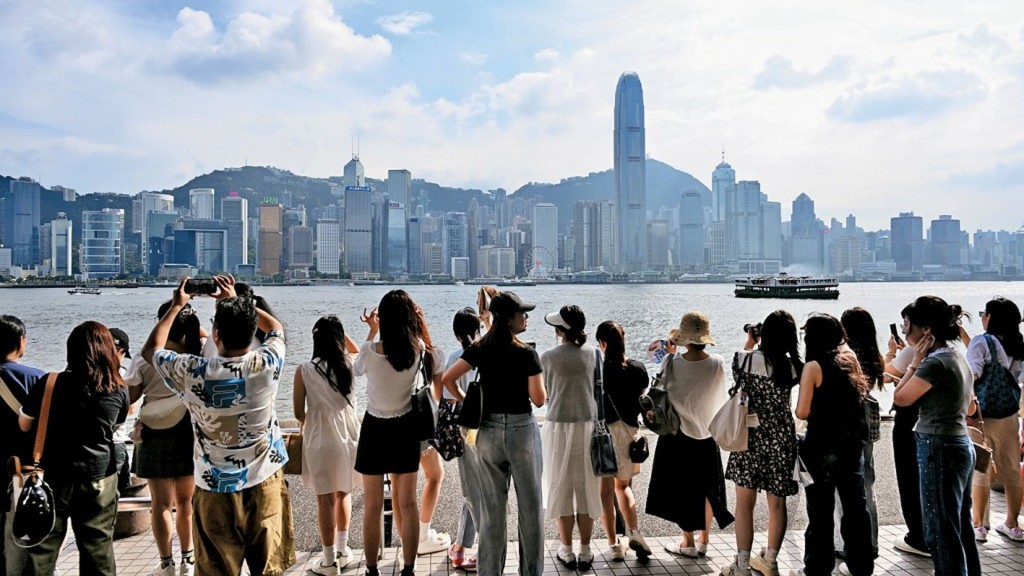
In a world gripped by energy crises – from Europe’s scramble for natural gas to Asia’s fierce competition for fuel – Hong Kong presents a curious paradox. The city appears eerily calm. While nations implement emergency measures and are rationing consumption, Hongkongers go about their daily lives as if the global crunch does not exist. But does this silence reflect security, or simply a lack of information?
A city built on imported fuel
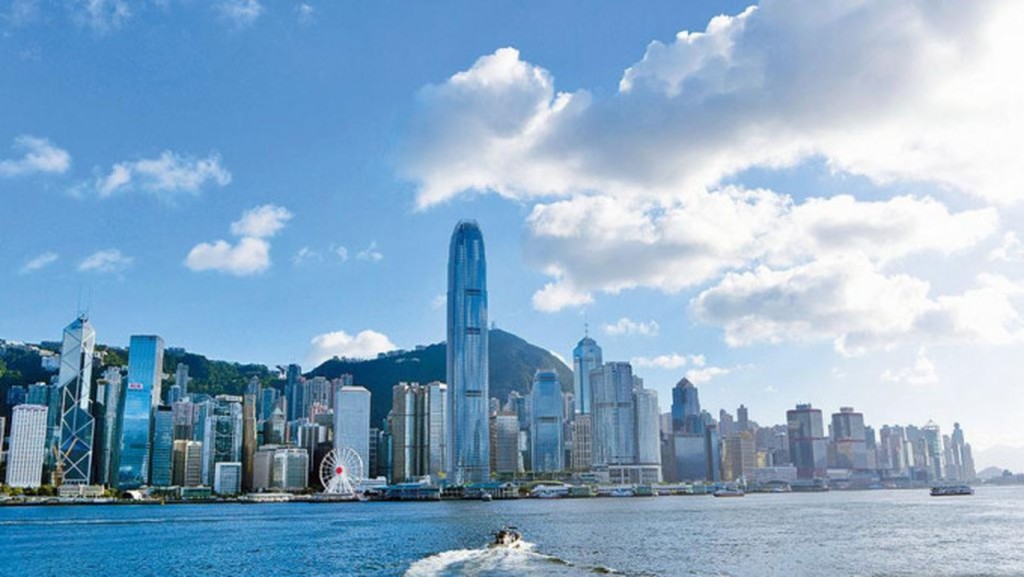
The reality is that Hong Kong, a compact international financial hub with virtually no domestic energy production, is inherently vulnerable. We lack the physical space for substantial fuel reserves or the land to generate significant renewable energy. We import nearly everything. Yet, the government’s messaging remains strikingly simplistic: mainland China will provide.
The complex web of supply
This assurance overlooks a complex web of dependencies. The two local power companies, CLP and HK Electric, source energy from multiple suppliers. While natural gas now constitutes roughly half of Hong Kong’s energy mix – CLP relies heavily on mainland imports – a substantial portion of the city’s gas also arrives from Qatar, a region whose export facilities have recently faced operational pressures amid the Iran crisis.
Can the mainland bear the burden?
Furthermore, the assumption that mainland China can effortlessly shoulder Hong Kong’s burden is not without risk. Despite being a massive producer of coal, natural gas, nuclear, and renewable energy, China remains a major energy importer to satisfy its own immense domestic demand. Even with reported strategic reserves estimated to cover one to three months of consumption, Beijing’s cold shoulder to the energy demands of Asean countries – with which China has been building ties – raises questions about its supply stability.
Transparency, not fear
Even if the “motherland” serves as Hong Kong’s ultimate energy backstop, transparency must follow. This is not about instilling public fear; it is about fostering public awareness. Citizens deserve to understand the fragility of the system they rely on.
The coal fallacy
The prevailing sentiment – that we can simply “fall back on coal” in a worst-case scenario – represents a troubling regression. After years of investment in energy transition, falling back on coal would render past climate efforts meaningless.
Hong Kong, like many economies, has been shifting from coal to natural gas and low-carbon fuels to meet its 2050 net-zero target. A crisis-driven return to coal would not only waste that progress but also signal that climate mitigation is expendable when convenience is threatened.
Silence is not stability
Energy security is not just about keeping the lights on; it is about strategic foresight. Hong Kong’s government must move beyond vague assurances and provide a transparent, detailed accounting of our energy reserves, diversified sourcing, and contingency plans. In an era of global uncertainty, silence is not stability – it is a gamble the city can no longer afford to take.