Read More
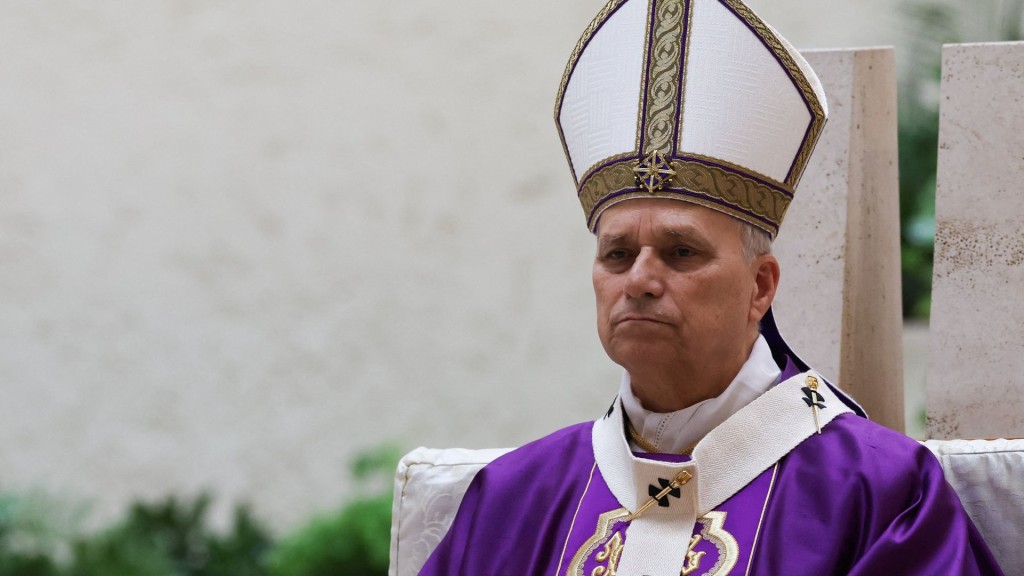
While the Pope spoke of peace, Latin Patriarch of Jerusalem Cardinal Pierbattista Pizzaballa was barred by Israeli police from entering the Church of the Holy Sepulchre – the holiest site in Christianity – for Palm Sunday Mass. For the first time in centuries, church leaders were prevented from celebrating at the traditional site of Christ’s crucifixion and resurrection.
ADVERTISEMENT
SCROLL TO CONTINUE WITH CONTENT
The barring decision was changed after strong criticism yesterday. The Patriarchate and the Custody of the Holy Land called the move “a grave precedent” that severely deviates “from the basic principles of reasonableness, freedom of worship, and respect for the status quo.” The ban, ostensibly imposed for security reasons amid the latest Iran conflict, has been widely condemned as an infringement on religious freedom.
When faith becomes a battleground
Jerusalem is the spiritual heart of three Abrahamic faiths – Judaism, Christianity, and Islam. Within its ancient walls lie the Western Wall, the Church of the Holy Sepulchre, and the Temple Mount, or Haram al-Sharif. Yet the city’s sanctity has done nothing to shield it from the very violence the Pope decried.
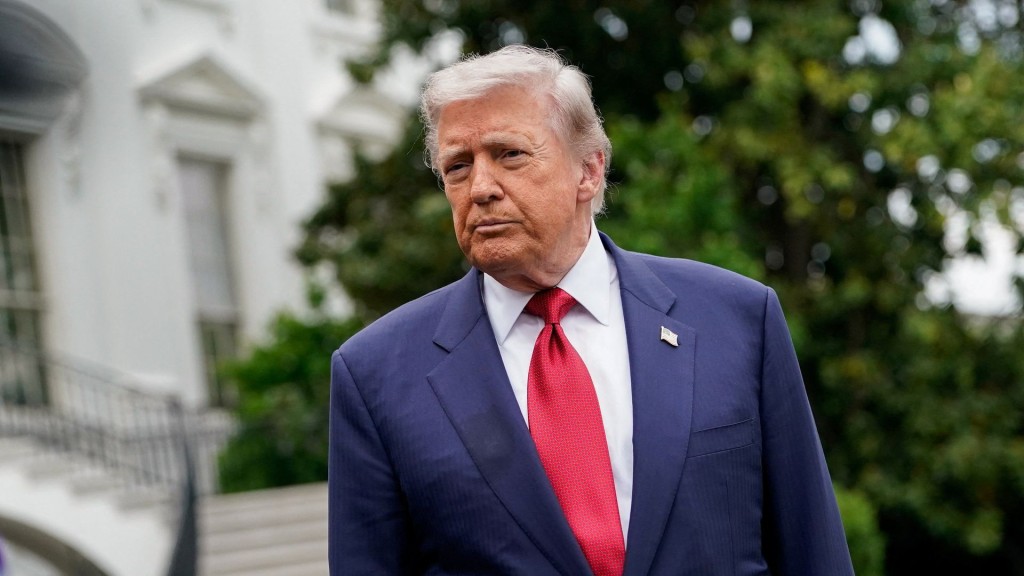
Against this backdrop, images from the White House earlier this month showed US President Donald Trump praying with pastors in the Oval Office, seeking “God’s grace and protection” amid escalating US involvement in the region.
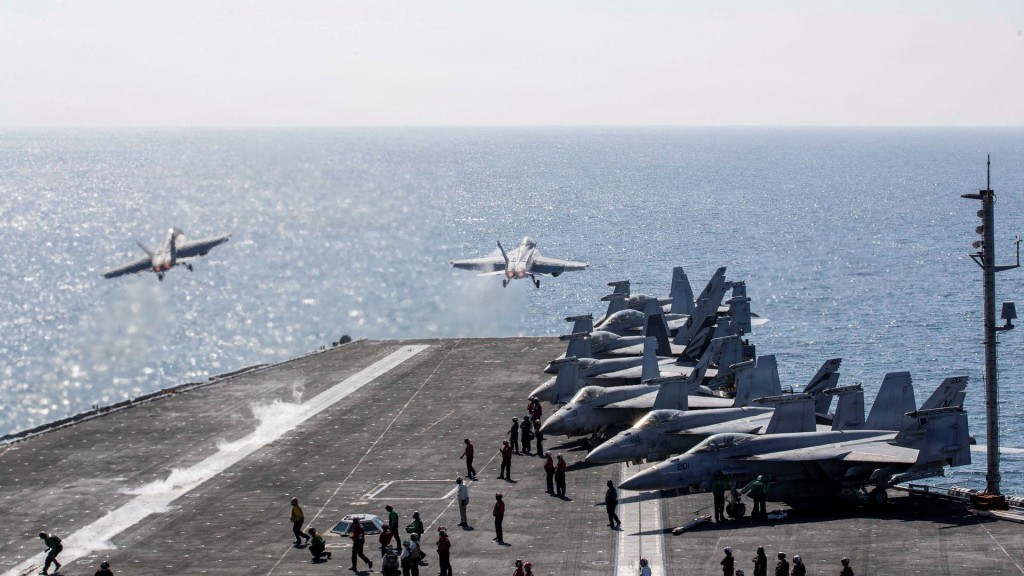
The spectacle underscored a troubling pattern: political leaders on all sides – Israeli, American, Iranian – claiming divine favor while pursuing military agendas.
Shared roots, fractured realities
Judaism, Christianity, and Islam share a common Abrahamic heritage. The Hebrew Bible’s narratives echo in both the New Testament and the Quran. Jesus is revered as God incarnate by Christians and as a prophet by Muslims. Yet these shared origins have not prevented the region’s conflicts from taking on sectarian dimensions, deepening the historic Sunni-Shia divide.
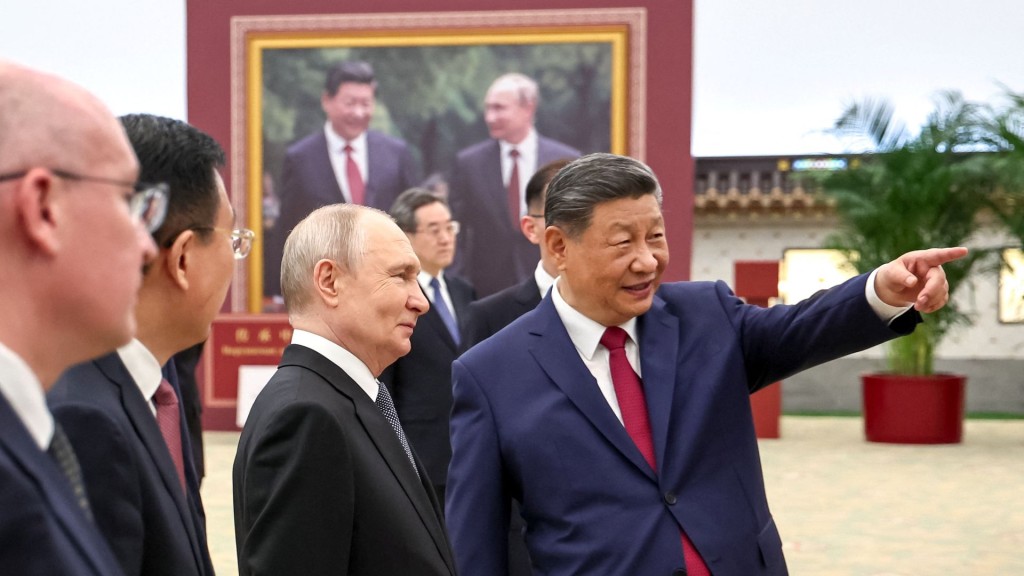
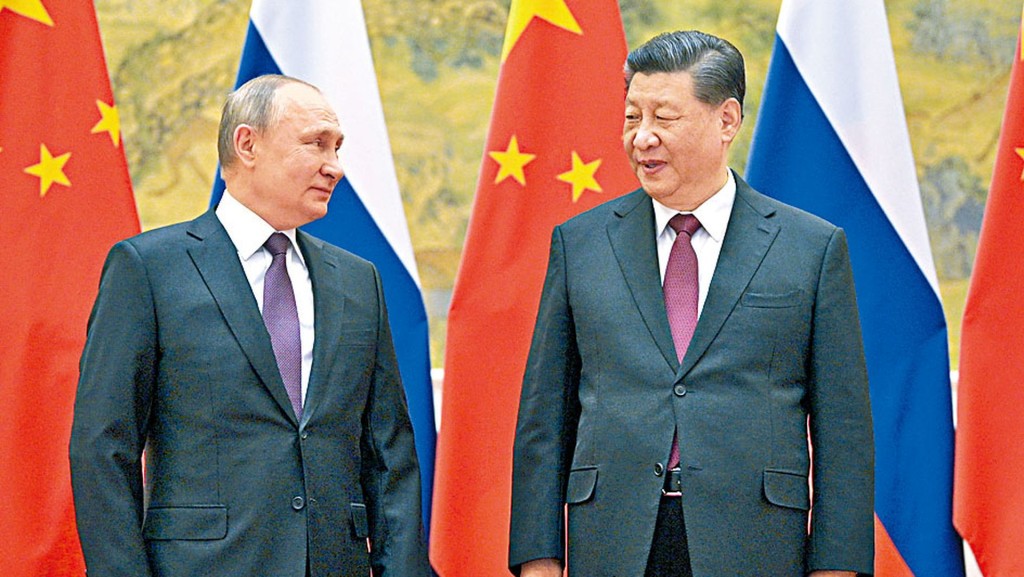
The recent Middle East crisis has further inflamed these tensions. Meanwhile, Russian Orthodox leaders – representing a faith shared by millions of Russians – have similarly offered blessings for war, exposing how religious rhetoric is weaponized across all sides.
A call for accountability
As Easter approaches, the contrast between the liturgy’s message of peace and the reality of military escalation could not be starker. The barring of church leaders from the Holy Sepulchre is not merely a procedural violation – it is a symbolic act that reveals how little space remains for faith to transcend politics.
Pope Leo’s message was unambiguous. When leaders wrap themselves in religious language while waging war, they commit not only a political failure but a theological one.
In the Pope’s words, such leaders should not expect their prayers to be heard.
Whether that message will resonate in the corridors of power – in Jerusalem, Washington, Tehran, or Moscow – remains to be seen.
But as Jerusalem braces for more tension, one truth endures: no military victory can sanctify the desecration of what is holy.