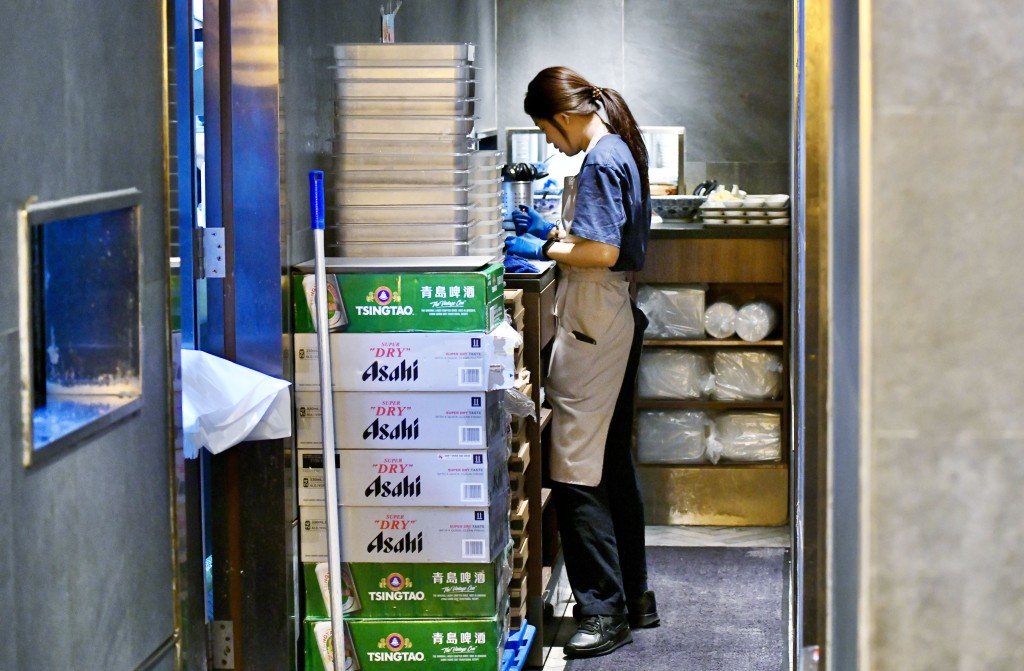
A mainland Chinese national working in Hong Kong's bustling restaurant scene was bracing for a grueling Easter holiday rush, only to be unexpectedly given time off by his boss—a move that highlighted a significant cultural difference in holiday consumer habits between the city and mainland China.
The food and beverage worker recently shared his experience on the Chinese social media platform "Xiaohongshu," explaining how his expectations for Easter were completely overturned.
Drawing from his work experience in mainland China, he had assumed the long holiday weekend would be a peak business period, similar to the relentless pace of Lunar New Year, Christmas, or National Day. He was mentally preparing himself for being overwhelmed with work.
However, he was left stunned when he saw the work roster. Instead of scheduling him for extra hours, his boss had given him the holiday off, even thoughtfully suggesting he could use the time to travel home for the Ching Ming Festival to pay respects to his ancestors.
Initially confused by the unexpected kindness, the worker wondered if it was simply because the restaurant was fully staffed.
The real reason was revealed by a senior colleague, who explained that the restaurant business in Hong Kong becomes incredibly quiet during the Easter holiday.
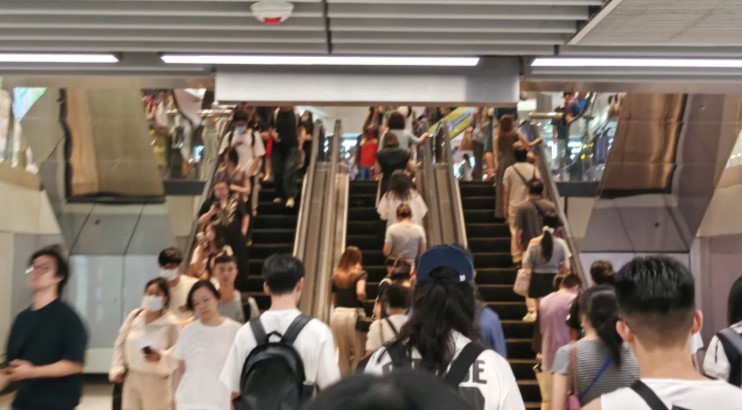
The worker came to a sudden realization: while holidays in the mainland typically mean a surge in business, in Hong Kong, they often signal a mass exodus of residents.
His colleague pointed out that locals tend to travel, either heading north to the mainland or flying to other countries, leading to an unforeseen "winter" for the local catering industry.
This insight prompted him to reflect that many things in Hong Kong cannot be understood through a mainland perspective.
The cultural shock, however, came with a silver lining, giving him a precious opportunity to return home.
He expressed his gratitude, noting he would cherish every chance to go back and that his main hope while working abroad is for everything to be safe and smooth.
His story resonated with other users on the platform, with many leaving encouraging comments.
Some shared similar experiences of being scheduled for rest, showing an understanding of this unique "reverse operation" in Hong Kong's service industry.