Read More

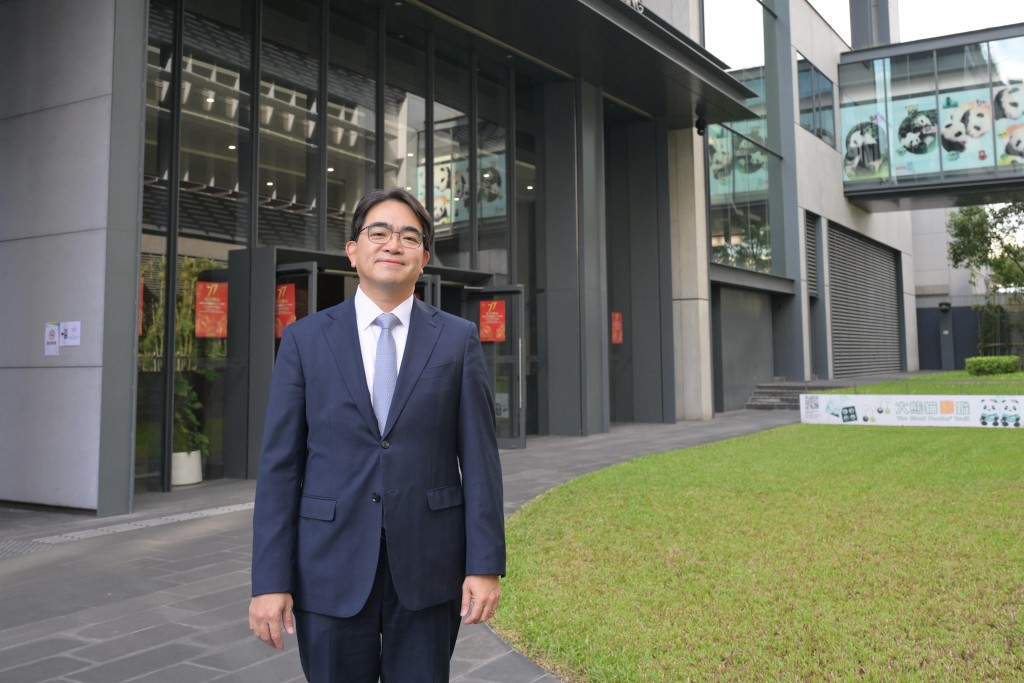

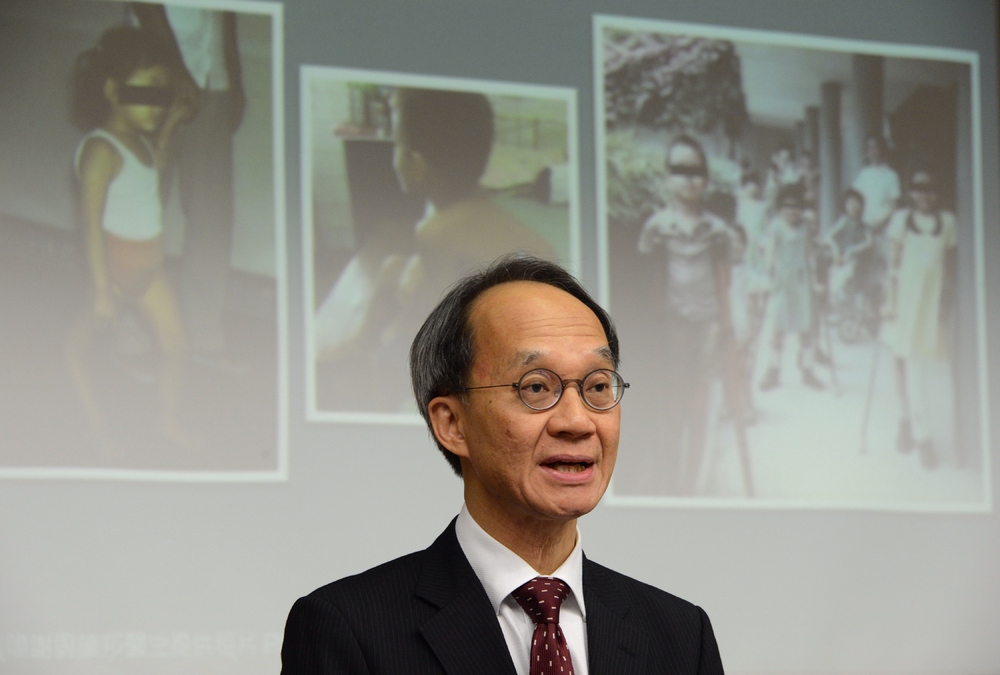
The government needs to devise estimates on how many infections are likely to be found during citywide testing and draw up different plans for every possible outcome, health expert Lau Yu-lung said.
Lau, who chairs an advisory committee in the Centre for Health Protection, said the government should not require people to undergo citywide testing "for the sake of doing it."
Lau said: "I am not saying that citywide testing is useless, but there must be a purpose," adding that the government should have multiple plans mapped out in advance to respond to different numbers of infected patients since citywide testing will likely identify many "invisible patients" with no symptoms.
"If 1 percent [of the city's population] is infected, which means around 70,000 infected, the existing isolation facilities might be able to cope," Lau said.
"However, if 5 percent are infected, then authorities must make arrangements in advance, including giving priority to high-risk groups for isolation facilities."
The call came as government adviser David Hui Shu-cheong said citywide testing will work best when paired with a lockdown.
Hui said that if people are barred from visiting other districts, the possibility of another outbreak will decrease.
"I believe the government has already considered whether [a lockdown] is feasible, including whether it can provide everyone with 10 to 14 days of food and resources. It is just not viable," Hui said.
Whether citywide testing will be successful depends on whether authorities can provide test reports fast enough, Hui believed, adding that if people are required to wait at home for days like they are now, the virus will outpace the testing.
He said: "Infected patients should be taken to isolation facilities as soon as possible since some will suffer from respiratory failure. There should also be sufficient emergency beds in public hospitals."
Roundtable lawmaker Michael Tien Puk-sun echoed Hui's sentiment, saying a nine-day citywide lockdown is better than extended social-distancing measures that are currently stifling businesses.
Tien proposed that during this lockdown, non-essential businesses should be closed while all residents should be tested twice. After the lockdown, a third test can be conducted.
"I'd rather have a quick fix than long-term pain," he said. "It is time we bite the bullet and take a quick one."
Tien proposed a lockdown period from March 19 to 28, straddling two weekends to minimize business losses and give the city time to build up its testing and isolation capacity.
With the lockdown under strict police enforcement, one person per household can be allowed out for one or two hours a day to buy essential items, Tien said, calling mandatory testing without restricting people's movements "crazy."
Chief Executive Carrie Lam Cheng Yuet-ngor earlier dismissed the prospect of a citywide lockdown as it comes at too high a cost.
Tien, who is also the founding chairman of clothing brand G2000, said he had his reservations too but he changed his mind after 'looking at [his] retail numbers It dropped 70 percent from the weeks before," Tien said.
"The situation now is that business has dropped to a point where it doesn't make a difference whether you're open or not," he said. "Nine days is very short."