Read More
Is there an urgent case for Hong Kong to enact Basic Law Article 23 locally?
ADVERTISEMENT
SCROLL TO CONTINUE WITH CONTENT
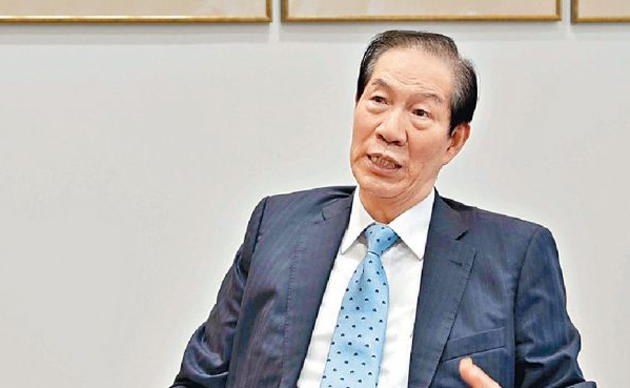
If the answer is not clear enough in Chief Executive John Lee Ka-chiu's distant timetable to enact the provision before year-end 2024, then All-China Federation of Returned Overseas Chinese vice-chairman Lo Man-tuen may wish to emphasize that all the more.
In an opinion piece contributed to a local newspaper, Lo warned against putting Article 23 legislation on the Legislative Council agenda or launching a public consultation exercise on the issue this year.
Rather, he said, the SAR should focus on the economy and accomplishing its role as the country's link to the world.
Article 23 has always been a sensitive subject, drawing mixed feelings in society.
Some would like to see it enacted as soon as possible, while others fail to see the urgency now that the national security law has been imposed on the SAR following a stormy year of anti-government protests.
Obviously, Lo is of the opinion that the question of Article 23 can be addressed later rather than sooner.
Is his opinion a piece of evidence that the order of policy priorities has changed in Beijing and that will also dictate the priorities here?
Even if so, it does not mean that national security has ceased to be a concern for the leaders.
Like security, subjects including the economy, international relations, regional competition, Hong Kong, Taiwan, Tibet and Xinjiang have always been on the agenda.
The question is: which comes first?
During the pandemic and in the years prior to it, security concern was outstanding and came before the economy.
Lo said it is time to focus on economy - not Article 23 - after the pandemic and in order not to upset the Kuomintang's bid for the Taiwan presidency in 2024.
Both are convenient truths. However, the greater truth lies in the rapid changes in international order since Russia's invasion of Ukraine.
Those changes are so substantial that the global situation is very different from before the war.
It is logical not to deal with Article 23 now.
Has it not been the official stance that implementation of the national security law has been so successful that the city has returned to stability and security has been properly addressed?
With this in mind, would it conflict with the claim if officials continued to insist there was an urgency for Article 23 legislation?
The rest of the pro-Beijing establishment should understand that, although security is a major item on Beijing's agenda, the order of priorities may have shifted.
It is obvious that the most pressing of all is for the SAR to play to the greatest possible extent its role of connecting China to the world as the nation is increasingly isolated by the United States and its Western allies.
The chief executive's recent visit to the Middle East was an example of this.
Meanwhile, what matters most is that Hong Kong must avoid becoming a target of further sanctions as conflicts between China and the US intensify.
In wake of other priorities, Article 23 is not likely anytime soon.
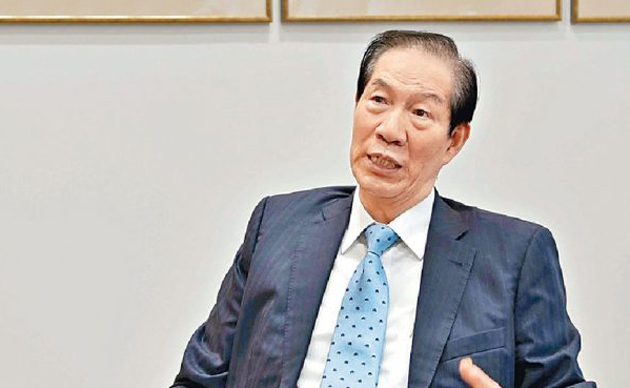
Lo Man-tuen