Read More








Nearly 1.26mn Hongkongers hop out of town, with 225,000 crossings by 10am
05-04-2026 17:11 HKT


Families disappointed after Discovery Bay Easter Egg Hunt cancellation
05-04-2026 19:58 HKT
How would you like to return to the days before Uber?
If this question were put to Hongkongers on two separate days last week when taxi drivers mounted an undercover operation to get police to arrest and prosecute Uber drivers who they had lured to Kai Tak Cruise Terminal, one may predict with confidence that an overwhelming majority would reply they would not want to return.
It is not a random assumption because, following the "undercover" act, a local media outlet asked its readers: which do you support, taxis or Uber?
Although it was not surprising that more people supported Uber, it was still shocking to discover over 92 percent of the respondents backed it, leaving just over 7 percent voting for taxis.
It is clear that, despite the legal issues troubling Uber and similar ride-hailing platforms, such services offering a new mode of individualized transportation have become very popular for those who are increasingly fed up with taxi services.
As I mentioned in this column before, customers are the best judges since they know what suits them the best.
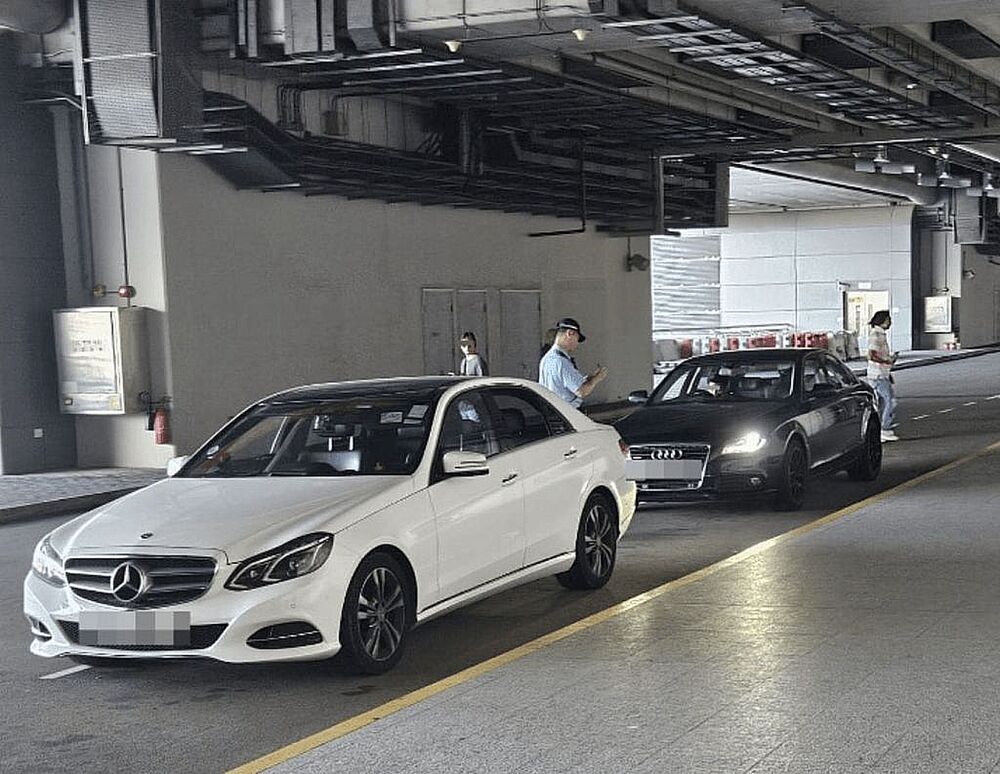
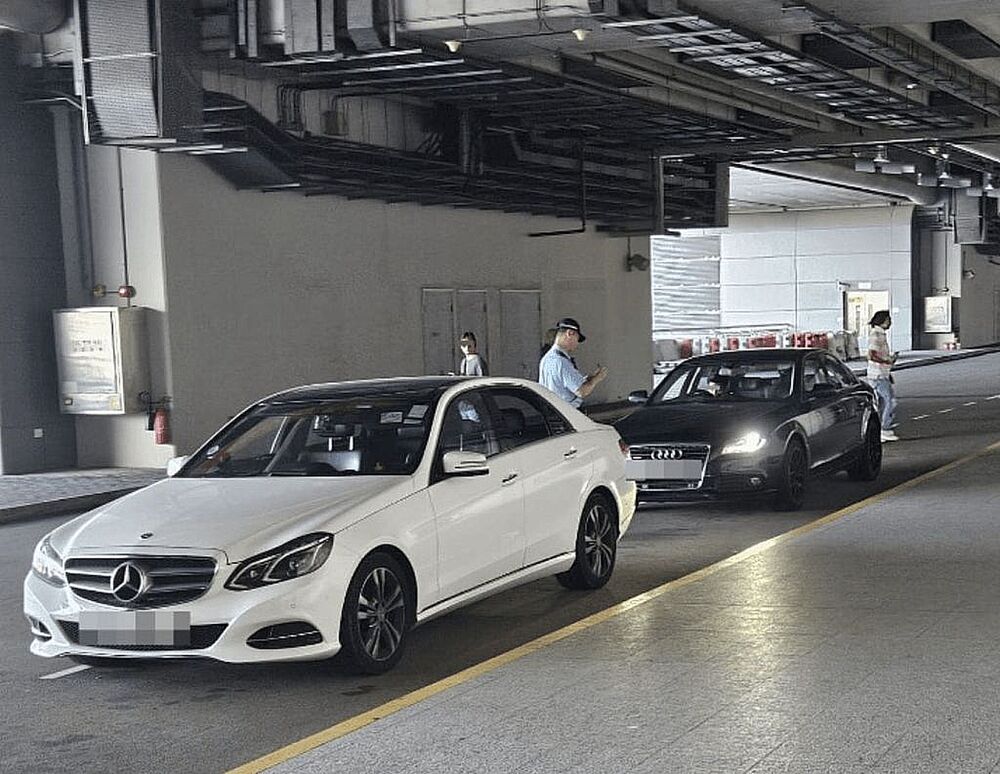
According to the media reports, taxi "agents" posing as passengers called Uber cars at different places to end the journeys at the same location in the Kai Tak Cruise Terminal, where police officers responding to complaints of irregularities had been waiting.
As those Uber cars pulled up, the waiting officers took down information of the drivers and their vehicles before allowing them to leave, handling the cases as "complaints."
It is hard to believe that the Hong Kong Taxi Council was quick to keep itself at a distance from the drama as its vice chairman Ng Kwan-sing expressed the belief that it was just an act by some disgruntled individual taxi drivers.
Could the "undercover" operation have just been an act by some taxi drivers? Your guess is as good as mine.
Nonetheless, last week's episode in the ongoing taxi-Uber battle did help raise an old issue that the Hong Kong government can no longer avoid.
It is not an issue unique to the city. Ever since Uber made its debut as a start-up in San Francisco in 2009, it has swept across continents to become a very popular form of transportation.
At the same time, its rise has sharpened conflicts with local taxi operators but, rather than banning it, many governments opted to regulate it.
It was regulated in Singapore in 2014, Taiwan in 2019 and in the various states and territories of Australia over the years.
In various countries in Southeast Asia, Uber-like platforms were subject to local private hire-car licenses.
Hong Kong is one of the few places yet to catch up with an appropriate regulatory regime.
In addition to taxi licenses, there are also hire-car permits here, but applications made by Uber drivers in the past were rejected.
The government is set to announce details of a review as soon as next month, reportedly to make penalties stiffer for unlicensed drivers.
It would make perfect sense to increase the penalties once Uber and similar services are placed under regulation.
The undercover operation was a warning shot in advance by the taxi trade.