Read More
A Bloomberg report that Beijing may commit as much as 2.3 trillion yuan to stabilize stock markets in Hong Kong and the mainland has undoubtedly elevated the market spirit.
ADVERTISEMENT
SCROLL TO CONTINUE WITH CONTENT
Whether or not the report turns out to be true, it demonstrates once again how information can readily change market sentiment, with the Hang Seng Index lifting for another day to close at just one point below 15,900.
The index would have looked much better if it had gained just one more point.
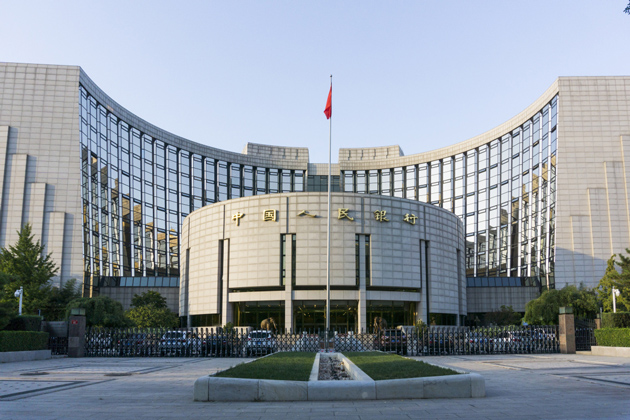
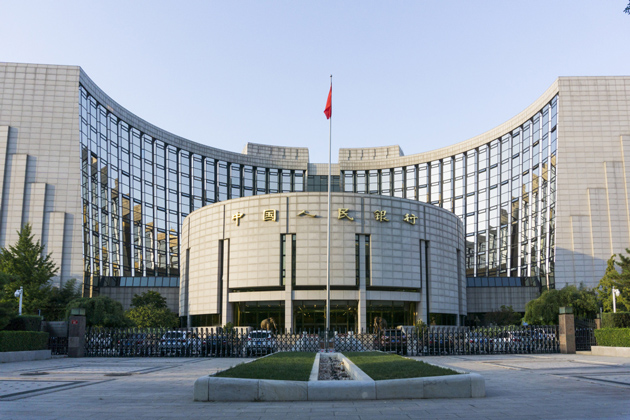
While it continued to benefit from the Bloomberg report, market sentiments were further cemented yesterday by a People's Bank of China announcement to lower the deposit reserve requirement by 0.5 percent from February 5.
That, according to central bank governor Pan Gongsheng, will release 1 trillion yuan into the Chinese economy.
It is not the first time the PBoC has lowered the ratio of reserves that mainland banks are expected to hold to stimulate the economy.
But events in the past showed that the effect of such a ratio reduction may not sustain for long after the brief excitement.
If Bloomberg is right, Beijing policy makers could be modifying their approach and hoping to produce a more sustainable effect.
The plan Beijing apparently had in mind was reported to consist of two parts.
First, state-owned enterprises would be asked to contribute 2 trillion yuan from their offshore accounts to a stabilization fund to buy A shares onshore through a Hong Kong Exchange stock link.
Second, 300 billion yuan of local funds in the mainland would invest in Chinese shares onshore.
The second part is not new, having been used a number of times before.
The first part, however, would be rather innovative and, if true, would be the first time Beijing resorted to such an indirect approach.
The method would be very indirect - the question is, why?
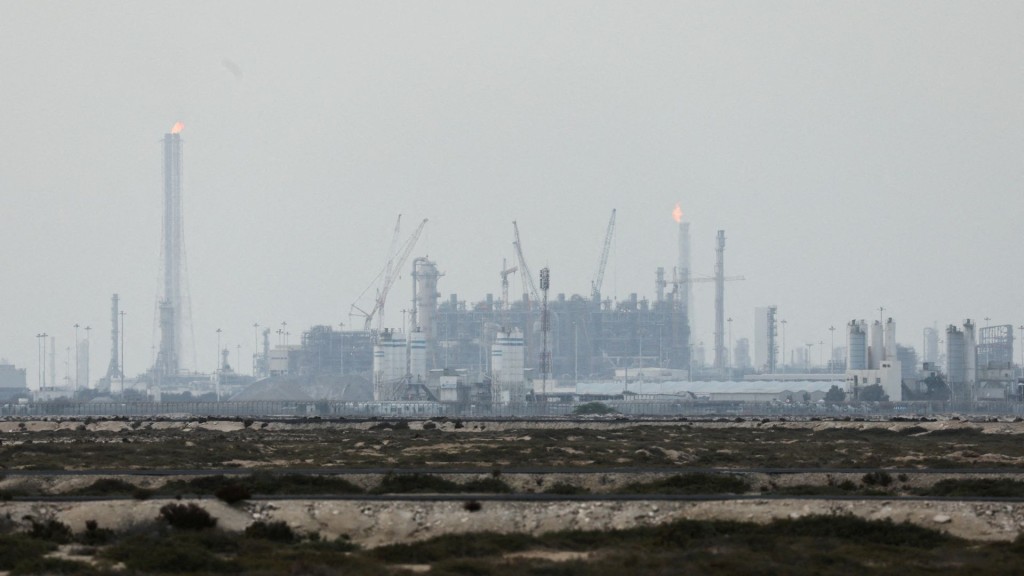
Bear in mind that assets held by state-owned enterprises in their offshore accounts are believed to be mostly non-liquid, like oil fields and infrastructure ,and it would require time to dispose of them in exchange for cash before the funds thus generated could be used to buy A shares through the Hong Kong Exchange.
It would be subject to a major delay due to negotiation with potential buyers who, knowing Beijing's urgent need for cash, would be tempted to suppress the prices.
Certainly, selling assets denominated in foreign currencies such as the US dollar in exchange for yuan would render support for the Chinese currency.
Nonetheless, unless the state-owned enterprises have a massive amount of highly-liquid assets, this reported approach would be easier said than done.
There is also the issue of accountability to investors who have a stake in these enterprises since these companies are mostly publicly listed here and in the mainland.
Would it be in their interest to swap their own assets for the papers of other companies? Would distrust grow if they were forced to agree to do so?
Many questions have to be answered first.
Bloomberg said the news could be announced as soon as this week. Whether true or not, merely talking about it via a reputed media platform is rendering the market some support.