Read More
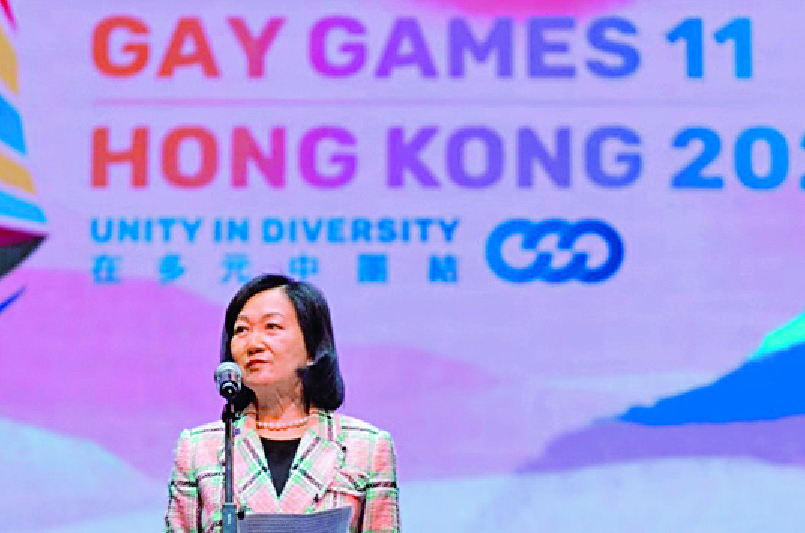
The Gay Games Hong Kong kicked off smoothly yesterday at Queen Elizabeth Stadium in Wan Chai despite brutal criticisms from anti-LGBTQ lawmaker Junius Ho Kwan-yiu and a handful of DAB legislators.Ask this question: if the government had opposed it, would the organizers have been able to secure the stadium to host the games - the first such event in Asia - for over 2,000 participants from 45 countries?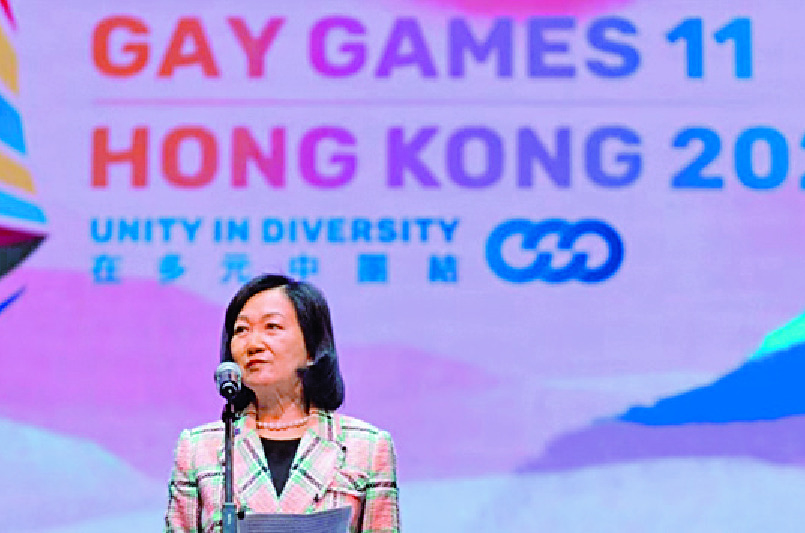
Even though no government official was present - with the exception of unofficial member of the Executive Council, Regina Ip Lau Suk-yee - a kind of tacit government blessing was evident throughout the event.
ADVERTISEMENT
SCROLL TO CONTINUE WITH CONTENT
The answer is obvious: they would not have stood a chance.
Had the administration been opposed to the games, the participants would also have been denied visas to enter Hong Kong.
With this in mind, the Exco convenor's attendance and addressing the assembly for seven minutes at the opening was a sensible move.
It is apparent that government officials were trying to strike a balance in the face of the need to maintain the city's international status as a financial center against concern among conservatives that traditional family values may be endangered.The challenge is not exclusive to Hong Kong. Singapore was also confronted with a similar dilemma and it was much later than Hong Kong in seriously facing it.
Both Hong Kong and Singapore were British colonies and inherited a number of colonial laws.While Hong Kong acted to decriminalize gay sex in 1991, Singapore waited more than 30 years until 2022 to repeal a draconian legal provision known as Section 377A to decriminalize gay sex.
At the same time as it repealed the law, it also amended the constitution to bar court challenges similar to a recent case in Hong Kong in which the Court of Final Appeal required the government to establish an alternative legal framework to recognize same-sex partnerships within two years.In this respect, Hong Kong is more liberal than its competitor - and this is a niche the SAR should preserve.
To maintain and further enhance its attraction to foreign investment, Singapore knows that it is also essential to keep the same-sex issue from developing into a social row.As its removal of Section 377A allayed fears among foreigners working or doing business in Singapore, the government there sought to limit its impact on a multicultural society that is still largely conservative in its values despite a more receptive younger generation.
If not due to a growing economic need, would Singapore have decriminalize gay sex?By the same token, the Hong Kong government has given the Gay Games a tacit blessing by not obstructing the organizers' venue booking and through the high profile attendance of a leading unofficial member of Exco.
It is clear the SAR government has a similar concern in mind that Hong Kong must continue to be an international city.Regina Ip