As crypto-based prediction platforms explode in popularity, the government’s cautious stance on basketball betting reflects a growing awareness of a dangerous regulatory void.
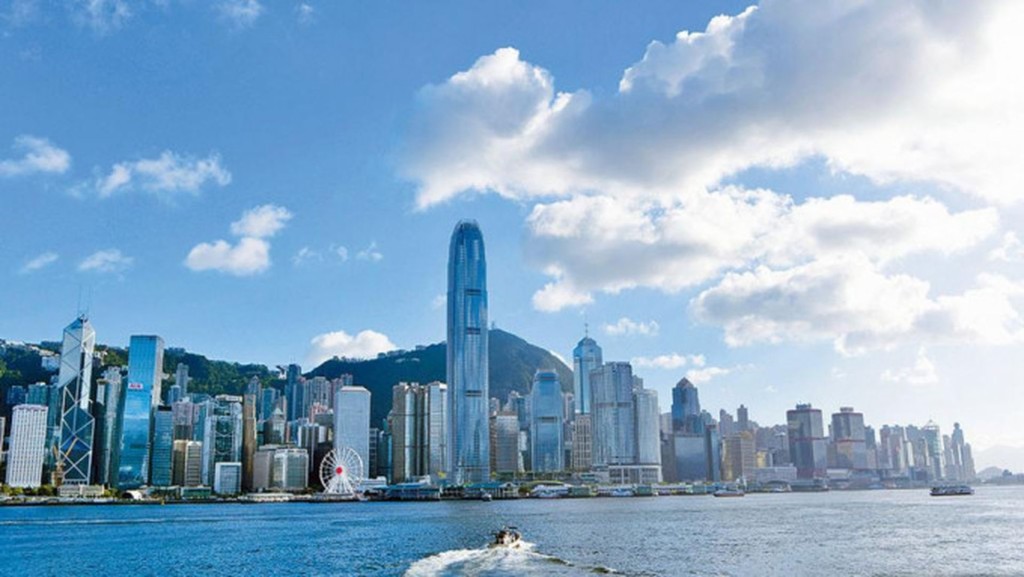
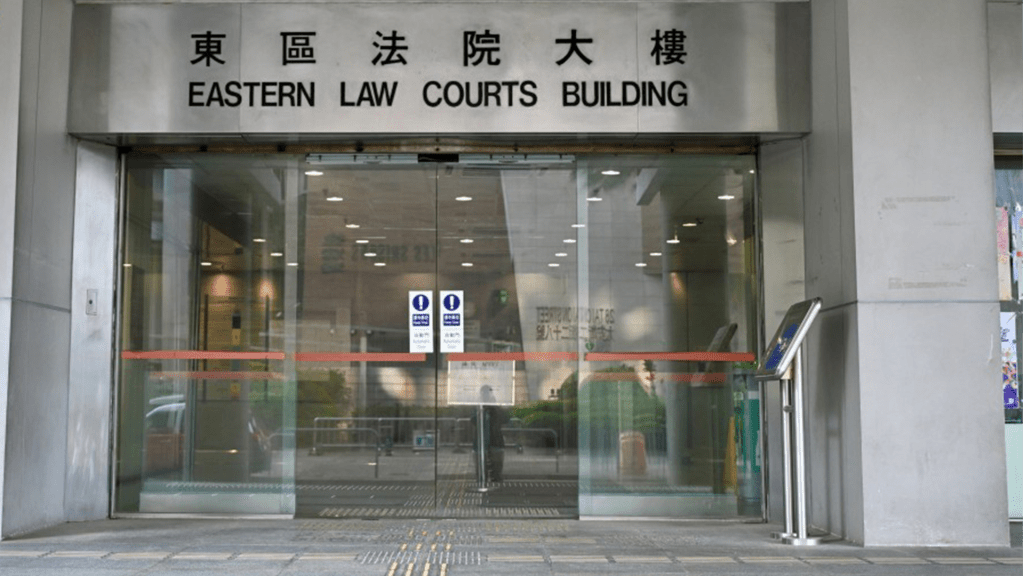
The decision by Hong Kong authorities to halt basketball betting activities was never going to be universally popular.
To many, it looked like a step backward in an era of liberalized entertainment. But beneath the surface, the prediction market issue is far more complicated than it first appears. In fact, the government’s move demonstrates a genuine sense of responsibility – one that prioritizes long-term financial integrity over short-term excitement.
The rise of a wild west
Prediction platforms like Polymarket became popular in recent years and have revolutionized the concept of betting. No longer confined to sports scores, these platforms allow users to wager on virtually anything – from tomorrow’s weather to the color of an athlete’s jersey at a major event. There is no market regulator, no central market maker, and no oversight. Instead, all transactions are conducted using cryptocurrencies, operating in a legal and financial grey area.
The numbers are staggering. Prediction market transaction volumes reached US$64 billion (HK$499.2 billion) in 2025 – a three-fold increase from the previous year. Major institutional players have taken notice – the CME Group has quietly invested in Polymarket, lending a veneer of legitimacy to an otherwise lawless ecosystem.
Real money, real conflicts
This is not just about sports or entertainment. Many traders have pocketed handsome amounts from betting on real-world events – including outcomes related to the Iran war. When profit can be made from conflict, the line between betting and exploitation disappears. Worse, because these platforms operate offshore and without a license, winners have no guarantee of being paid, and losers have no recourse.
The Hong Kong dilemma
Hong Kong’s authorities are caught between two realities. On one hand, clamping down on prediction markets could drive users further underground.
On the other hand, allowing such platforms to operate through official channels would require a complete overhaul of gambling regulations – a move that could normalize betting on politics, disasters, and human tragedy.
Instead of betting through the official channel, most users will still flock to prediction platforms – that is the core of the problem. What Hong Kong needs to worry about is not just lost tax revenue, but the broader consequences: offshore illegal gambling may continue to thrive, leading to significant capital outflow. Worse, those who bet will be left completely unprotected – at the mercy of anonymous platform operators who can vanish with their crypto wallets overnight.
A responsible path forward
Halting basketball betting was never a perfect solution. But it was a signal that Hong Kong recognizes the dangers of unregulated prediction markets before they spiral out of control. The real solution lies not in prohibition alone, but in building a legal framework that protects consumers without stifling innovation. Until then, the government’s cautious stance is not a weakness. It is a necessity.