Read More










Tokyo’s historic break from postwar doctrine clears the way for the sale of fighter jets, missiles, and warships.
For seven decades, Japan’s post-war identity rested on a pacifist constitution and a quiet reliance on the US security umbrella.
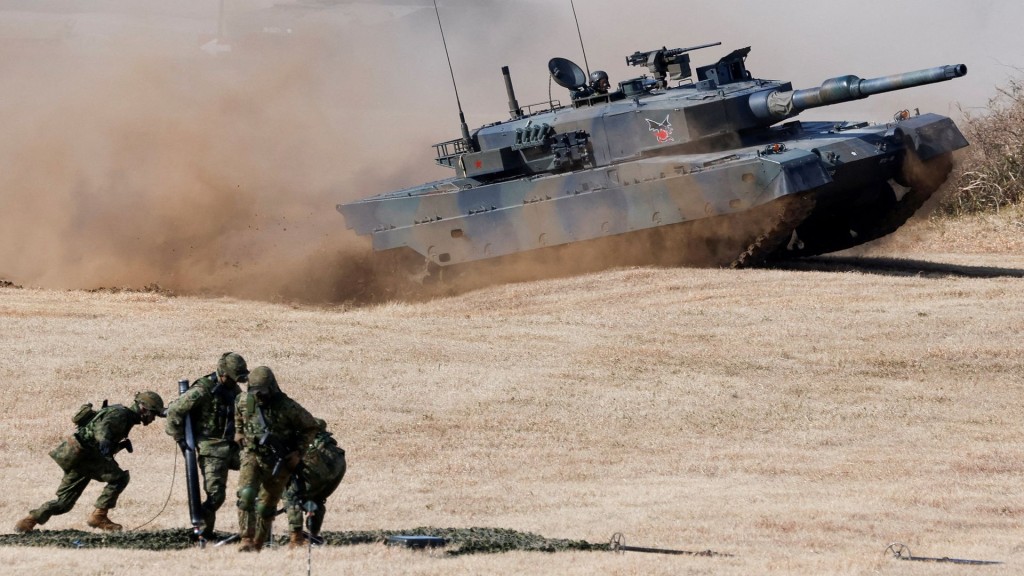
That era is now officially over. Tokyo approved a sweeping revision of the “Three Principles on Transfer of Defense Equipment and Technology,” ending long-standing restrictions that limited exports to non-lethal categories such as rescue, transport, and surveillance. By clearing the way for exports of destroyers, submarines, and missiles, Japan is not just rearming – it is actively joining the global arms trade.
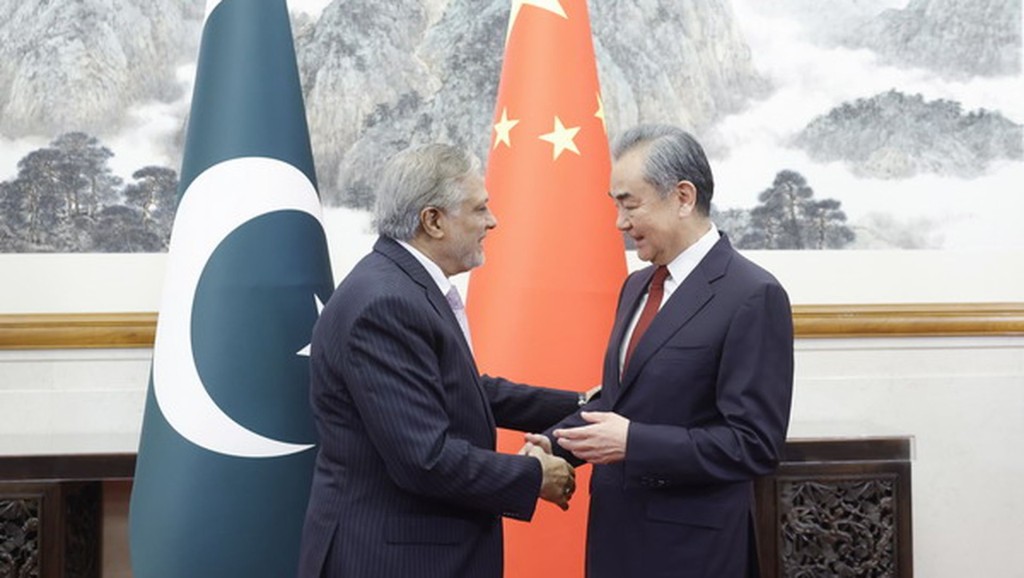
The timing amplifies the concern. While Japan moves to become a military supplier, Chinese Foreign Minister Wang Yi is set to visit Cambodia, Thailand, and Myanmar from April 22 to 26 this year, offering diplomatic engagement at a moment when many Asean states face energy pressures. The contrast could not be starker: Japan is reshaping regional security dynamics through weaponry, while China is deepening ties through infrastructure, energy cooperation, and diplomatic dialogue.
Proponents argue that Japan is merely becoming a “normal” nation, seeking to reduce reliance on an unpredictable US defense posture.
However, Japan remains a key US ally, and the new export rules explicitly allow exceptions to support US military operations in the Indo-Pacific. Japan’s stated need to deter China over the East China Sea – including islands near Taiwan – is precisely what raises alarms.
Framing military expansion as self-defense while exporting lethal hardware to other nations is a contradiction that neighbors will not ignore.
Economically, the move is pragmatic but risky. Major Japanese industrial giants like Toshiba and Mitsubishi Heavy Industries are now pivoting to weapons production to offset industrial decline.
Mitsubishi has already been selected to supply improved Mogami-class frigates to Australia. Yet monetizing security at a time of regional fragility invites an arms race no one needs.
Japan’s military spending has already reached 2 percent of GDP, with the financial year 2026 defense budget hitting a record 9.04 trillion yen (HK$ 445 billion).
However, the real danger lies not in spending alone, but in signaling. By abandoning its long-standing restrictions, Japan undermines the very pacifist principles that earned it trust across post-war Asia.
In contrast, China’s diplomatic outreach – despite its own military modernization – focuses on energy cooperation and stability at a time when Asean nations need affordable power, not new missiles.
The world does not need two competing architectures of influence in Asia. But if Japan continues down this path without transparent guardrails, it will fuel suspicion, trigger counter-arming, and deepen the region’s most dangerous divide. Pacifism was not just Japan’s post-war promise – it was Asia’s quiet foundation for growth. That foundation is now cracking.