Read More
As US influence wavers amid regional crises, Beijing’s quiet diplomacy and strategic partnerships – via Pakistan – offer an alternative path.
ADVERTISEMENT
SCROLL TO CONTINUE WITH CONTENT
For decades, the oil-rich monarchies of the Middle East – Saudi Arabia, the United Arab Emirates, and Qatar – have anchored their national security to a tight embrace with the United States. Yet, the ongoing devastation from the region’s cascading crises is forcing a strategic rethink.
The question now is not whether China can strengthen its relations with Middle Eastern nations, but rather how swiftly and deeply these ties evolve. Recent events suggest Beijing is quietly but effectively answering in the affirmative.
China’s diplomatic opening: from the sidelines to the table
One powerful catalyst has been China’s emerging role as a diplomatic broker.
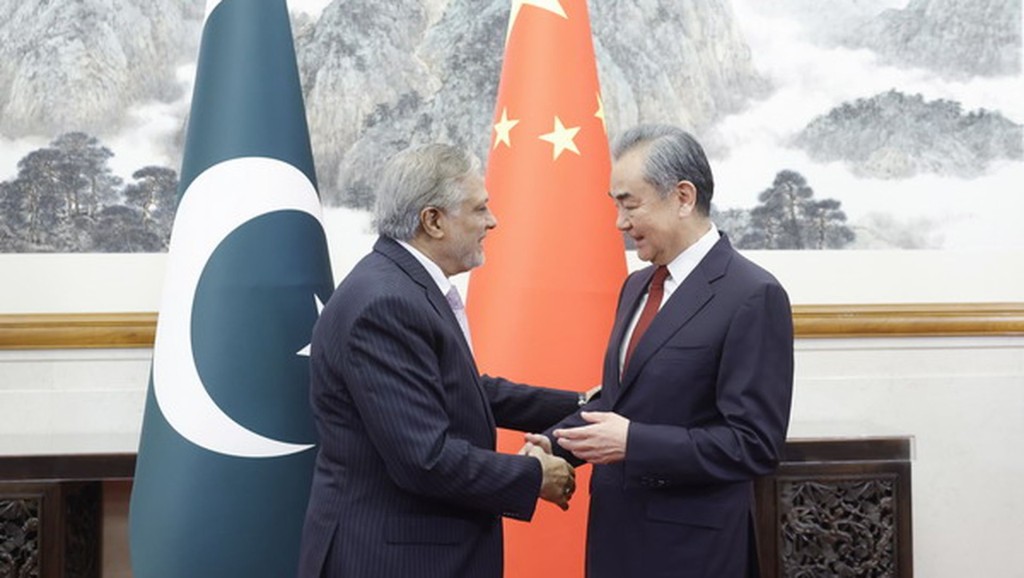
US President Donald Trump recently acknowledged that China played a role in ceasefire talks – negotiations that notably took place in Pakistan, a close Beijing ally.
While Washington remains a heavyweight, its oscillating commitment and the sheer scale of destruction in Gaza and beyond have left many Gulf states seeking reliable, less interventionist partners. China, with its consistent focus on economic cooperation and non-interference, fits that bill perfectly.
Pakistan: the pivot between Beijing and the Gulf
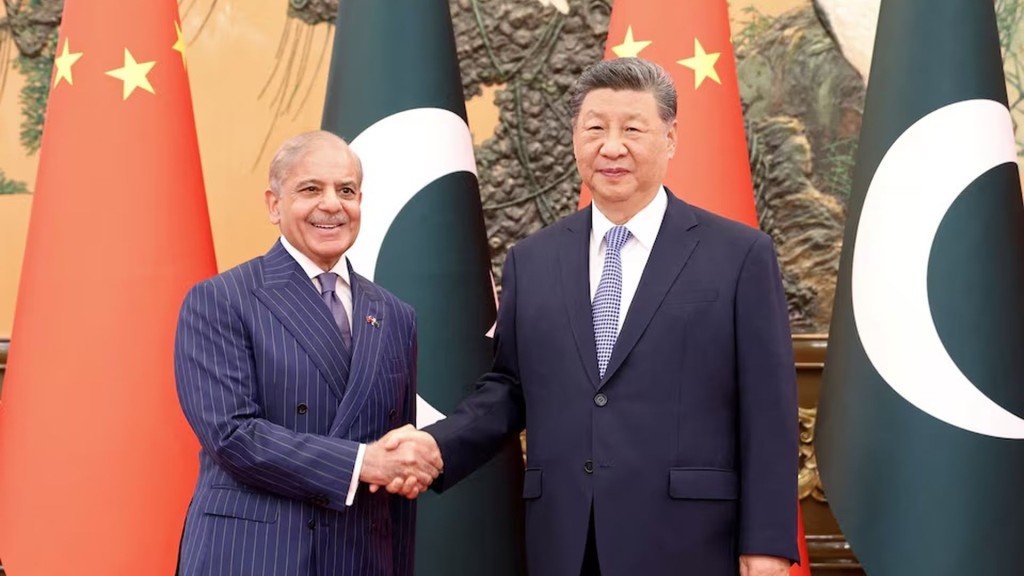
Pakistan serves as the critical pivot in this realignment. It is no coincidence that as China deepens its footprint in the Islamic world, Pakistan – Beijing’s “Iron Brother” – has become the logistical and diplomatic bridge to the Arabian Peninsula.
Recent financial flows underscore this interdependence. Pakistan received US$2 billion (HK$15.6 billion) from Saudi Arabia, shoring up its foreign exchange reserves just as Islamabad faces a US$3.5 billion debt repayment to the UAE. These are not isolated handouts; they are coordinated signals that the China-Pakistan economic corridor has regional buy-in from Gulf financiers.
JF-17 Thunder: Chinese hardware, Pakistani pilots, Saudi protection
More striking is the defense dimension. In a landmark activation of the Saudi-Pakistani Strategic Mutual Defence Agreement, Pakistan Air Force JF-17 Thunder Block III fighters have arrived at King Abdulaziz Air Base in Dhahran.
This places Pakistani combat aircraft – co-developed by China and Pakistan – directly near Saudi Arabia’s critical oil infrastructure amid rising tensions with Iran.
The message is clear: Riyadh now has access to a Chinese-origin aerial platform, maintained by a Muslim-majority ally, without directly provoking the US or Iran.
What Beijing gains: energy, arms sales, strategic weight
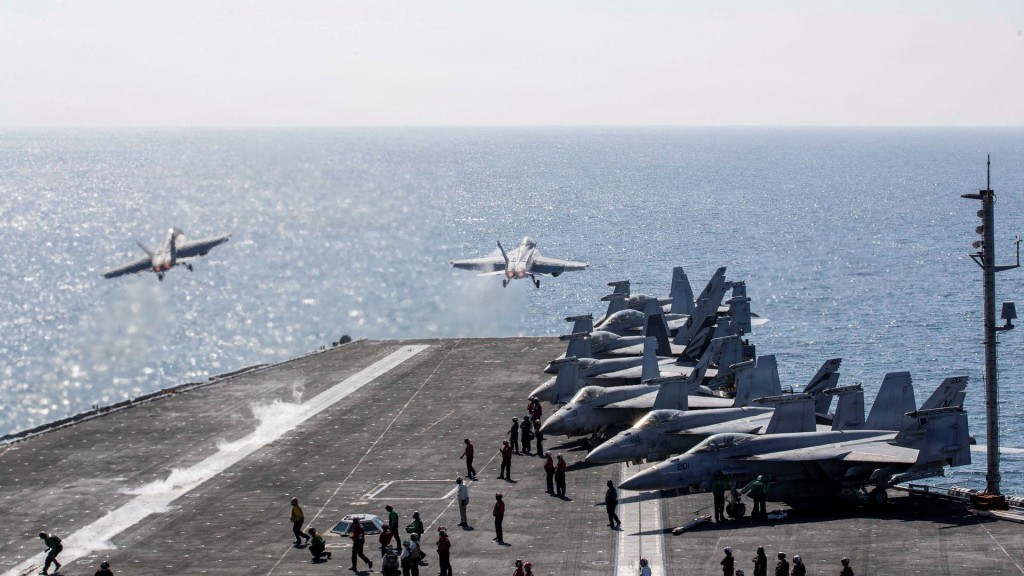
For Beijing, the benefits are multifaceted. Strengthening ties with Middle East nations means securing energy supplies, expanding markets for Chinese defense technology, and creating a counterweight to US-led maritime dominance.
The JF-17 deployment demonstrates that Chinese hardware can operate in high-stakes environments, potentially paving the way for future sales of more advanced systems like the FC-31 stealth fighter.
A multipolar Middle East takes shape
The Middle East crisis has indeed forced regional powers to think twice about over-reliance on any single superpower.
China offers something different: economic resilience without political strings, and defense cooperation via third-party proxies like Pakistan.
While the US remains indispensable for ultimate security guarantees, the groundwork for a more multipolar Middle East – with Beijing holding significant influence – has already been laid.