Read More





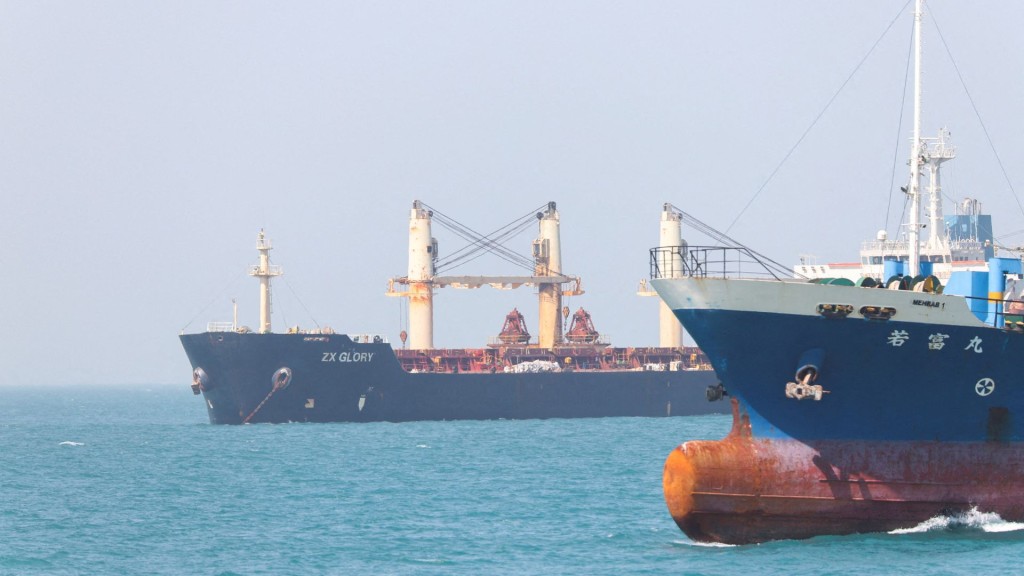




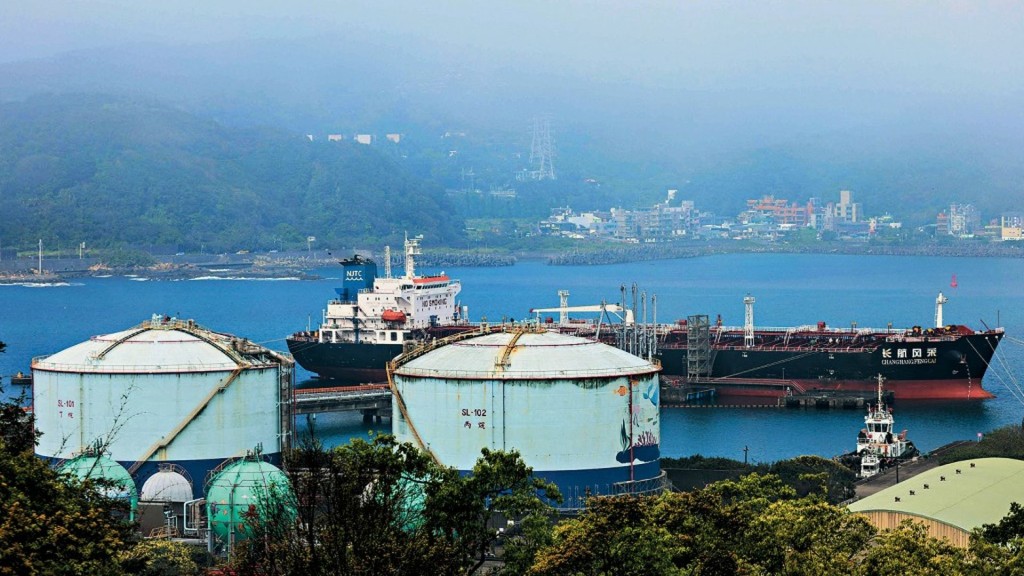
A critical look at US Treasury Secretary Scott Bessent’s recent remarks reveals a significant contradiction in American policy and a misunderstanding of global energy dynamics.
In the complex theater of global geopolitics, rhetoric often clashes with reality. Recent comments from Bessent, blaming China as an unreliable partner for maintaining strategic reserves of oil, rare earths, and medical supplies during the Covid-19 pandemic, exemplify this disconnect.
This accusation not only suffers from a glaring logical fallacy but also overlooks the United States’ own pivotal role in the current global energy landscape.
Labeling the accumulation of necessity products as “hoarding” is a mischaracterization. For any nation, particularly one with a population of 1.4 billion that serves as the world’s primary manufacturing hub, securing critical resources is a fundamental duty.
Strategic reserves are a universal tool for ensuring economic stability and national security, insulating a country from supply chain shocks and global market volatility.
During a once-in-a-century pandemic, ensuring access to health care products was not an act of unreliability but one of profound responsibility to its citizens. To frame this as a hostile act towards global partners ignores the basic tenets of sovereign statecraft.
Bessent’s criticism is particularly ironic given the United States’ own position in the global oil market. America is among the world’s top 10 holders of proven oil reserves, far exceeding those of mainland China.
The United States should be a primary beneficiary of high oil prices and an energy crunch. The nation is known for having shale oil, which is costly to drill. If oil price is low, the Americans do not have any incentive to sell and vice versa.
Oil research group Kpler estimates exports will jump almost a third to 5.2 million barrels a day, up from 3.9 million last month.
This episode reflects a broader, contradictory US approach to China. Officials like Bessent level public criticisms, attempting to shape international opinion and pressure Beijing on issues like Iranian money flows.
Simultaneously, the administration stresses the indispensable nature of the relationship, as seen in past highlights of the “very good relationship” between US President Trump and President Xi Jinping.
This duality – treating China as both an adversary and an irreplaceable partner – creates a confusing and often counterproductive foreign policy narrative.
Ultimately, accusations of “hoarding” ring hollow when they fail to account for the accuser’s own policies.
True global partnership requires understanding and honesty, not a rhetoric that conveniently ignores one’s own strategic choices.