Read More

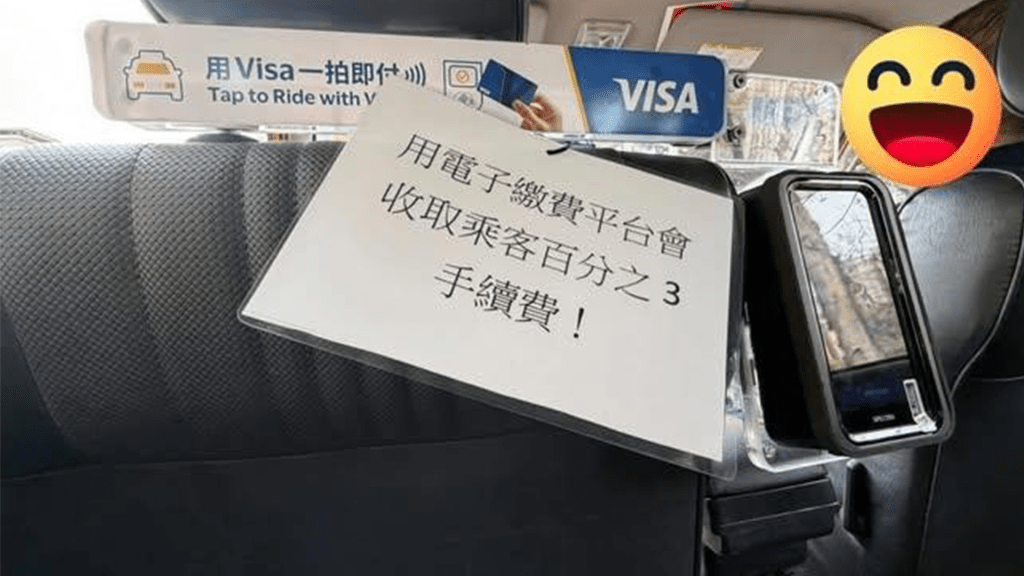
Taxi e-payment ‘3pc fee’ notices spark debate on rollout day
02-04-2026 12:42 HKT
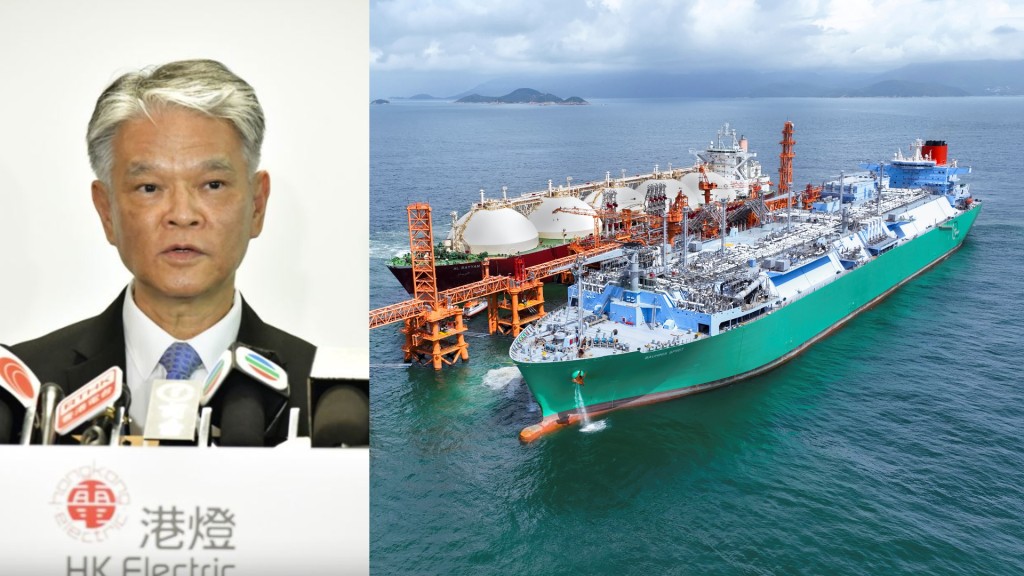
HK braces for natural gas shortage
02-04-2026 08:00 HKT
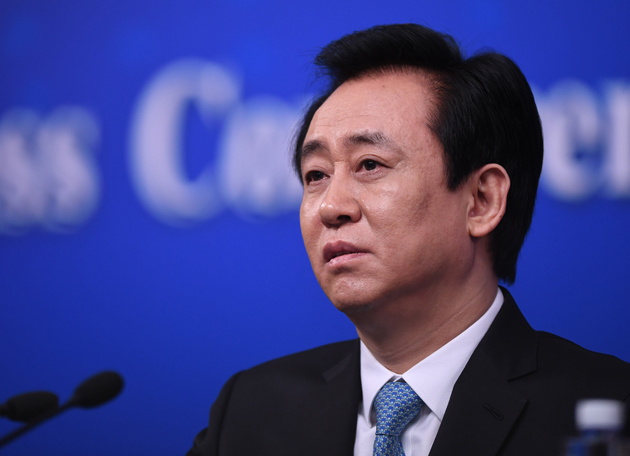
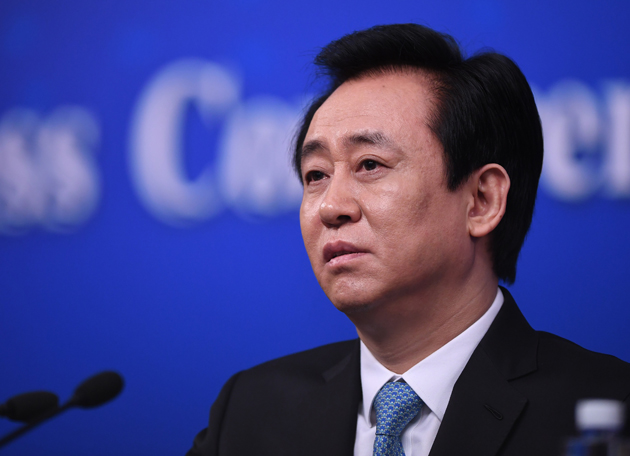
Following official confirmation that China Evergrande boss Hui Ka-yan is being held under "mandatory measures" by mainland authorities, more details of the property developer have surfaced in the public domain.
But it is unfortunate that almost none of the newly emerged information has been official - including allegations that capital raised by borrowings had been redirected to shareholders in the form of dividends.
Are these claims true?
As the mainland's probe into Hui and the company continues, it is hoped that further details of the mystery surrounding the company's finances will be disclosed to investors as it will be in the SAR's interest to keep the market transparent.
It is apparent that the company's woes had been there for a period.
If the capital chains had not been broken by Beijing's crackdown on Chinese real estate developers' access to capital since 2020 as part of a national policy to rid the property sector of speculation, China Evergrande's seriously outsized loans might have been kept under the lid even as of today.
As a matter of fact, an American short seller known as Citron Research started questioning the company's solvency as early as 2012 with a report accusing the developer of engaging in aggressive accounting practices and charging that it was "insolvent."
The damning report caused the company's shares to tumble, and led to the Securities and Futures Commission launching an investigation into Citron and its founder Andrew Left.
The investigation ended with a civil prosecution against the short seller.
The Market Misconduct Tribunal then ruled that Left had engaged in "market misconduct" in relation to the research report that China Evergrande had engaged in "fraudulent accounting" to disguise its level of debt and the creation of "phantom accounting profits." The tribunal held that the accusation was "materially false" and "misleading."
The civil legal battle, including appeals, lasted for seven years, with the short seller forced to return all profits from short selling China Evergrande and reimburse the prosecution millions of dollars in legal costs.
Left was also banned from the Hong Kong market for five years, starting 2016. The ban expired in October 2021.
In hindsight, would the outcome of the China Evergrande fiasco be different today had the tribunal allowed Left to summons representatives of the developer to be questioned during the trial and ruled differently?
Citron's warning had caused investors to exercise caution but the SFC's high-profile intervention helped clear China Evergrande's name and increase investors' confidence in the company.
While investors should be responsible for their own investment decisions, the tribunal outcome may have impaired those decisions.
Whether Hui's downfall amounts to a vindication for Left or not, numerous investors - including friends of Skyworth founder Huang Hongsheng - have suffered massive losses.
Since China Evergrande is listed in Hong Kong, should the SFC also launch a separate investigation into the China Evergrande saga with a view to reassuring local and foreign investors that they can trust the local regulatory regime?
Better still, it should make public every detail that its investigation can unearth.