Read More





Defying the demographic cliff: restoring hope
06-10-2026 04:56 HKT
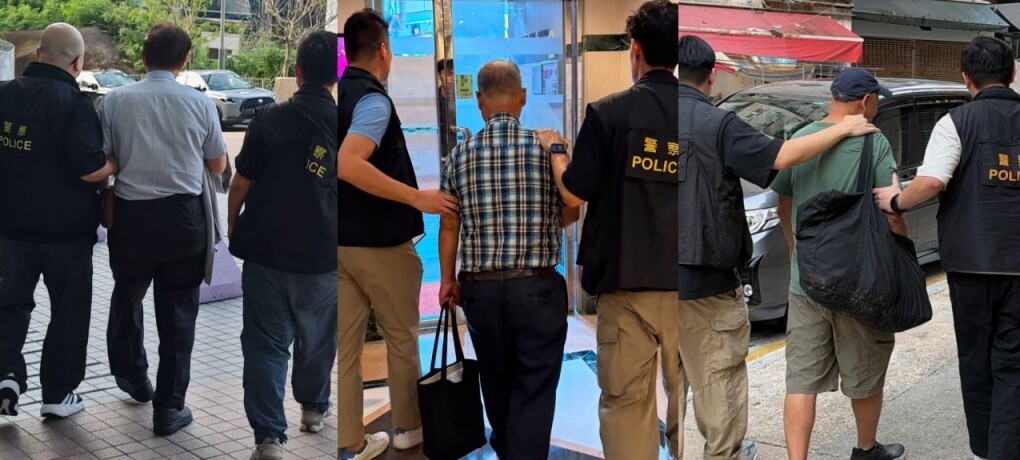
Three arrested over missing fire door frames in public estate lift overhaul
16-10-2026 20:10 HKT
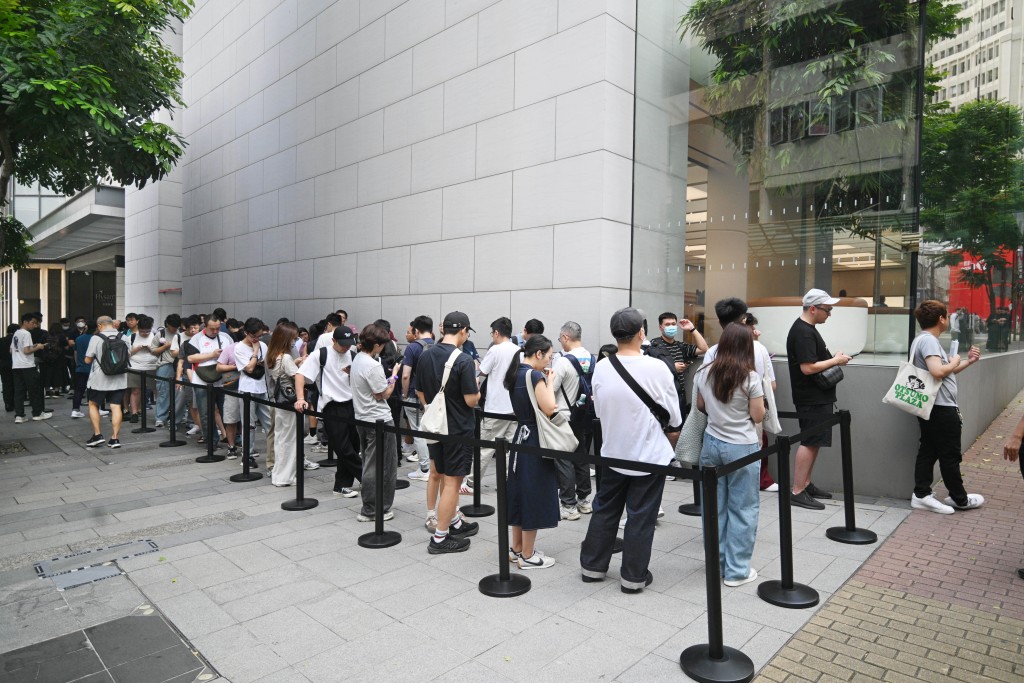
Credit card fraud hits foldable iPhone Duo launch
17-10-2026 12:23 HKT
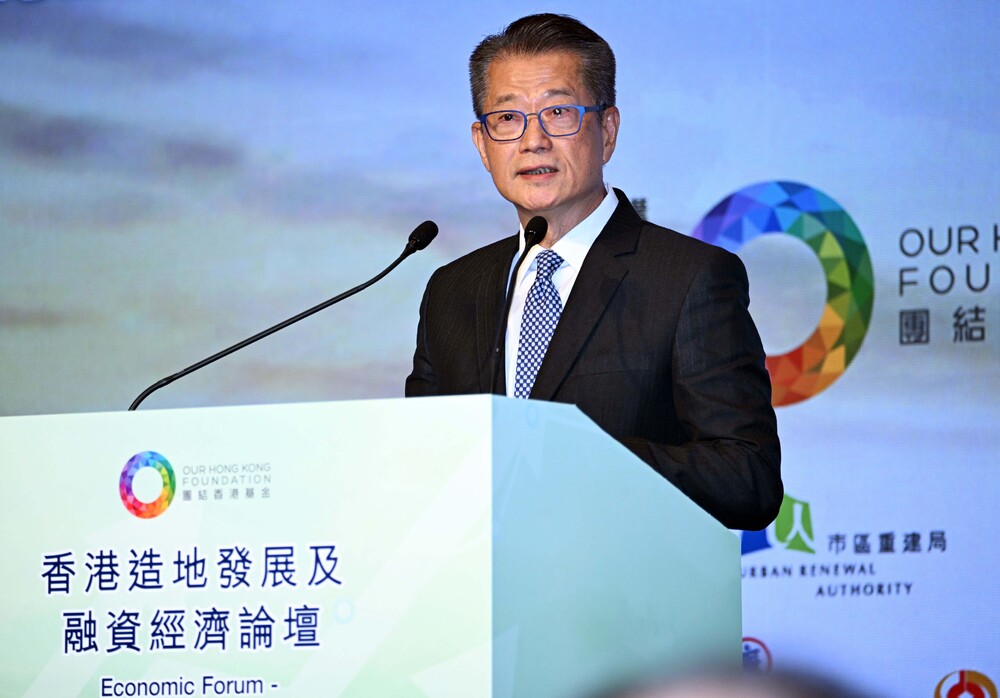
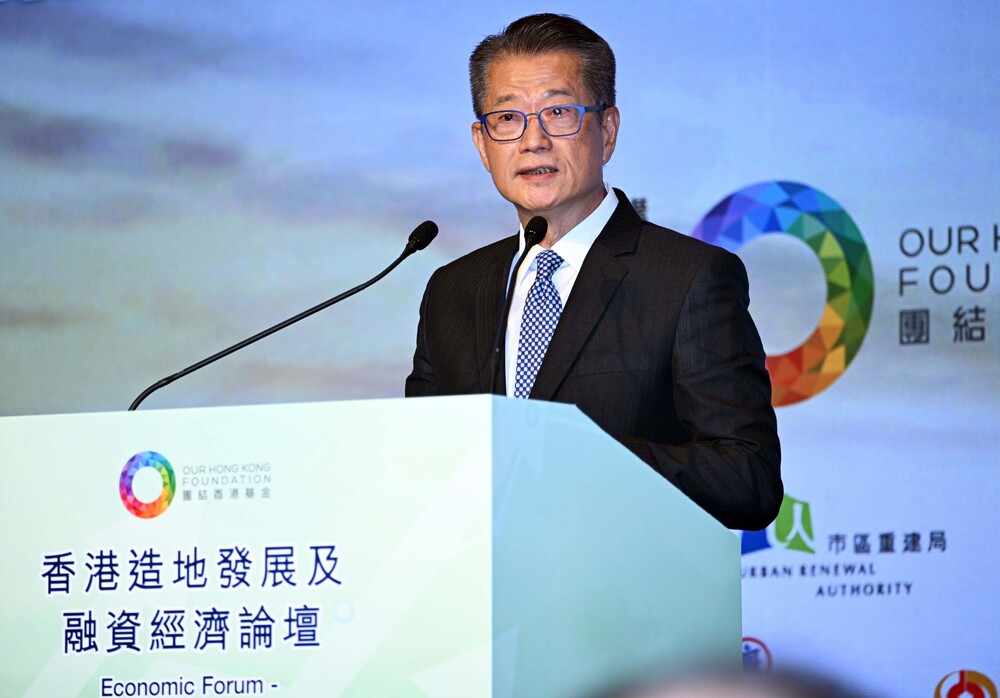
Financial Secretary Paul Chan Mo-po seemed to be suggesting in his Sunday blog that a lowering of the tax on securities trading would be unlikely.
Giving such an indication before members of his special task force have a chance to assemble for their first meeting this week is bound to raise eyebrows.
If I were in Chan's position, I would have reserved my opinion so that task force members would have an opportunity to discuss in depth all alternatives - including a stamp duty reduction.
Chan was rather elaborate in his Sunday writing, which in a way helps to reveal how significant the matter is, not only for him but also for Hong Kong as a whole.
Chief Executive John Lee Ka-chiu is due to give his policy address on October 25 and, as he gave Chan the task of reviewing the local stock market with a view to reinvigorating it, he expected a report in time for him to include it in the policy address.
Chan said yesterday the review would not focus on stamp duty alone but, effectively, would be a fundamental review of the local financial market, examining the listing regime, trading mechanism, capital sources, attraction for quality enterprises, innovative investment products and turnover rates, among others.
To put it positively, the review has an extremely ambitious scope. To put it cautiously, it has a scope that could be too ambitious to accomplish in time for the policy address.
In view of the broad range of the review, the task force -chaired by former Securities and Futures Commission chairman Carlson Tong Ka-shing - may have to submit an interim report for the chief executive to include in the policy address.
Chan said the task force is expected to review all external and internal factors.
While nothing is ever completely perfect, operation of the city's stock market has been smooth and effective under most international standards. Even without the government leading the way, market forces have driven the stock market to improve itself constantly.
Chan obviously knows why the city's stock market has become lackluster with reduced trading volume these days.
Deliberately or not, he was cautious enough to point this out indirectly. When there were calls in the market for Hong Kong to follow the mainland's example and reduce the stamp duty, he warned that piecemeal stimuli would not only fail to boost the market but would also further weaken investor confidence.
The financial secretary has struck the right note - which is not about the stamp duty, but investor confidence.
If investors are confident, foreign capital will continue to flow into the local stock market - which had once been among the world's top three - irrespective of the existing stamp duty that now stands at 0.13 percent compared with 0.1 percent two years ago.
Perhaps as Tong convenes the first task force meeting this week he should guide members to focus their discussion on how to reboot investor confidence.
That being said, a stamp duty cut cannot be ruled out at this early stage, even though this would have a direct impact on government revenues.