Read More
Financial Secretary Paul Chan Mo-po seems to have awakened to the need to bring nightlife back to Hong Kong.
ADVERTISEMENT
SCROLL TO CONTINUE WITH CONTENT
As a matter of fact, there are numerous things in need of rejuvenation.
For example, we used to rank as an international financial center along with New York and London.
Now, it has become New York, London and Singapore.
Also as a matter of fact, our Hang Seng Index is still struggling around 19,000 - roughly two thirds of the pre-pandemic levels.
Yet Japan's Nikkei index is hitting the highest since 1990 and India's stock market is expanding quickly.
Hong Kong's container port was once the busiest in the world, but has now slipped to ninth. If the fall in exports and imports continues, the city could be in danger of falling further down the chart.
By no means are these figures representative of the whole picture - they are just a handful of examples so obvious to us all.
A lack of nightlife may be an issue warranting our attention but it is relatively minor compared to these other aspects of the economy.
One cannot help but breathe a sigh of helplessness when the SAR's most senior official in charge of finance highlighted the night economy for mention in his Sunday blog.
That may capture the attention of some politicians, such as wholesale and retail sector lawmaker Peter Shiu Ka-fai, but it falls short of expectations.
Perhaps Chan is tackling them all, only that one at a time. Let's give him the benefit of the doubt.
Nightlife had always been taken for granted here, a natural part of local life before and after 1997 during which the city concentrated its energy in four major economic pillars, namely, financial services, tourism, trading and logistics, and professional services.
It is true that nightlife has been greatly reduced since the pandemic. While Mong Kok and Causeway Bay were in the past vibrant with all kinds of activities after midnight, they are now so quiet after 9pm that many simply close shop early to save costs.
The undertaking to bring iconic nightlife back to the city is appreciated. The question is how?
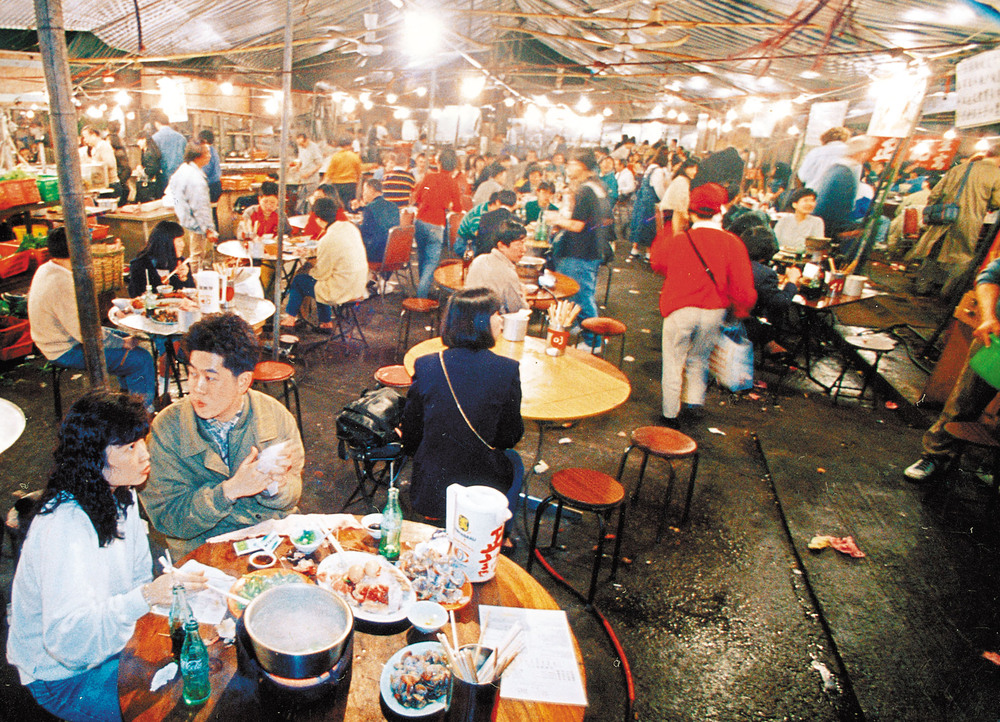
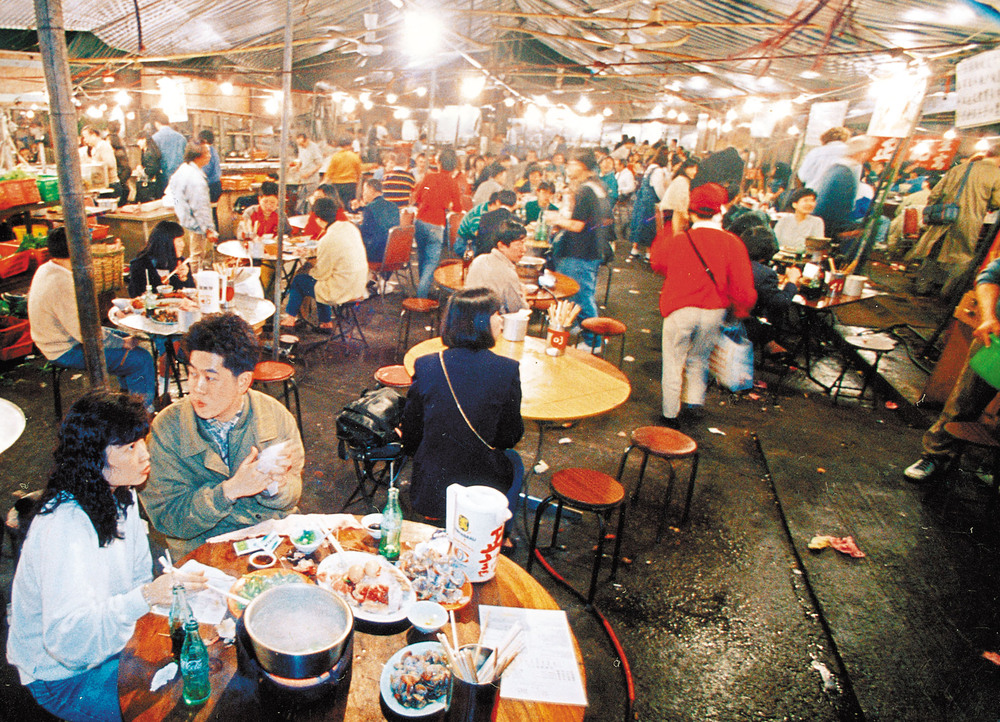
By opening a new open market similar to the one that thrived in Sheung Wan in the 1950s and 1960s, but eventually faded into history in the 1990s?
Two attempts to replicate the open market before the pandemic had failed.
I am not opposed to the idea as anything that may help should be considered. The concern is that we must know why people are not going out in the evening.
So how much do we understand this? Could the loss of expatriate professionals be blamed for the new calm in Lan Kwai Fong? And why are young people hanging out less in Mong Kok and Causeway Bay?
It is necessary to understand the cause or causes.
By the same token, it is essential for Chan to understand the reasons as he proceeds to tackle the other economic aspects, including those few mentioned above.