
Read More




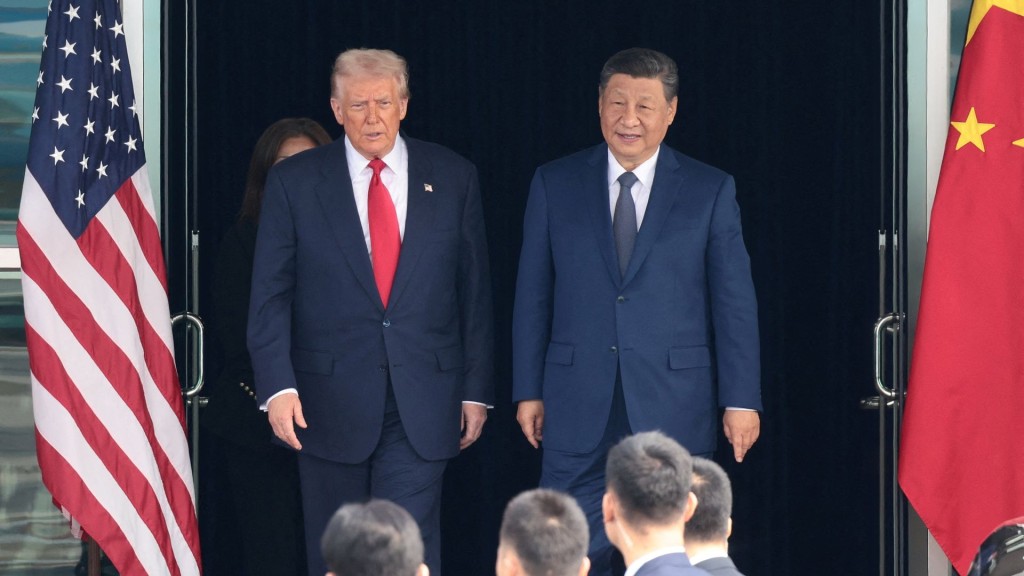
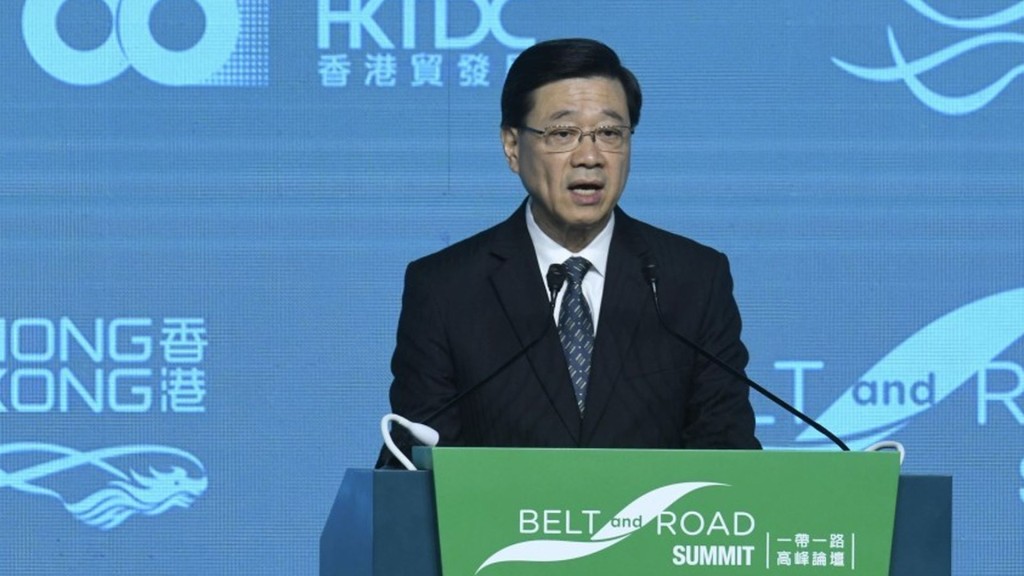
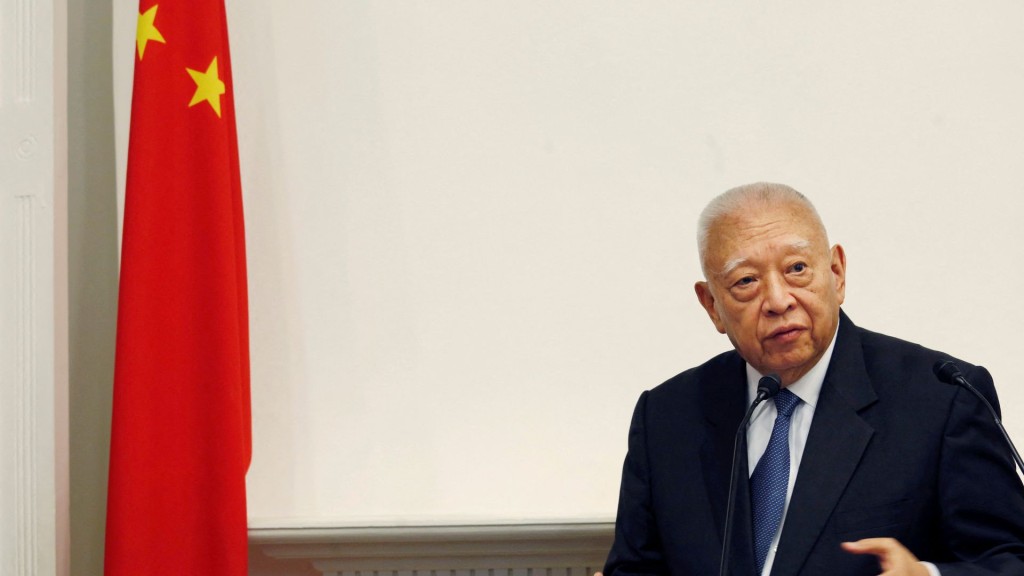

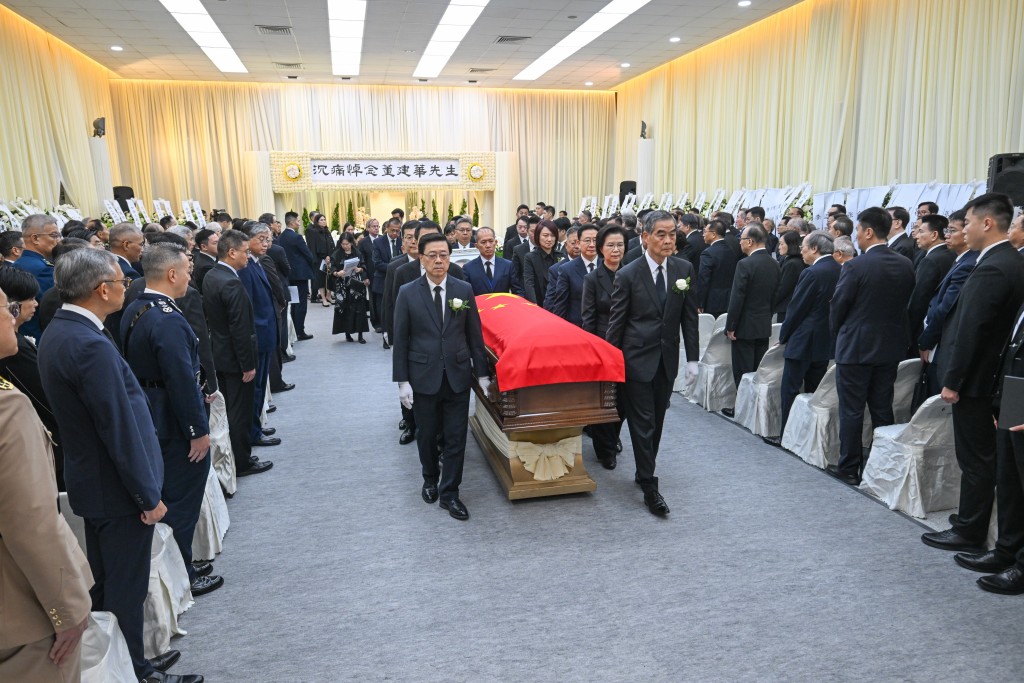
John Lee and CY Leung lead pallbearers for Tung Chee-hwa
20-09-2026 15:54 HKT

HKO forecasts showers Tuesday, tracks possible cyclone east of Philippines
21-09-2026 17:31 HKT
Former transport secretary Frank Chan Fan's likening future district council members to domestic helpers has raised many eyebrows - including those of tens of thousands of jie jie helping families deal with household hassles.
Chan probably did not mean to be derogatory to the helpers since they are in great demand.
But what would others think about his words - especially individuals aspiring to run in the district council elections later this year?
Would they also be astonished by the ex-official's eye-popping comparison?
Although directly elected seats in the district councils will be drastically slashed to just 20 percent to become the absolute minority, these councillors are still directly elected by members of the public and are expected to speak for their constituents despite their minority role.
In contrast, the "helpers" similie would have been relevant if what Chan had in mind was the appointed members who will equally share the remaining 80 percent of the seats with their indirectly elected peers.
Then, the causal relationship would be relatively straight forward: since appointed members are appointees, they are answerable to those appointing them.
In this sense, it would be legitimate to expect the appointed members to say "yes ma'am" to government officials who will be heading the new councils.
Could Chan actually be referring to the appointed members?
He did not say. All he said was that future district councillors could be fired for noncompliance and that "even in contracts with domestic helpers there are terms to allow bosses to fire them if they don't follow their employers' orders that are legal and reasonable."
It is also possible that it could be a Freudian slip from an ex-minister who worked really hard as a principal official under then-chief executive Carrie Lam Cheng Yuet-ngor.
Could he be nostalgic for the time when Lam was the boss?
There is no secret in local political circles that neither "yes ma'am" nor "yes sir" is a mindset of which establishment members are particularly fond, let alone those still ambitious to play a role in the reformed councils through the pathway of direct elections.
Obviously, lawmaker Tik Chi-yuen did not appreciate the idea at all.
Tik's concern is not unfounded. If the "yes ma'am" theory spreads, his worries that district council members would be forced to be all but "cheerleaders" for the administration in future would come true.
This would be the worst-case scenario.
But if such a scenario as cautioned by Tik happened, this would contradict the government's current vigorous campaign to promote public acceptance of the reborn councils as a meaningful organ of the local political setup.
The revamp exercise had started off with a political mission to depoliticize these institutions at the lowest political tier, which is not the same as playing cheerleaders.
Meanwhile, the reform has included a new provision to investigate and sanction members for not backing official policies, which would be in need of clarification in light of Chan's "helpers" theory.
Could Chan be really making a Freudian slip? I hope not.