Read More




ImmD crackdown targets moonlighting domestic helpers arresting 17
19-05-2026 17:52 HKT

University student, 23, killed in school bus crash in Kowloon City
20-05-2026 00:39 HKT


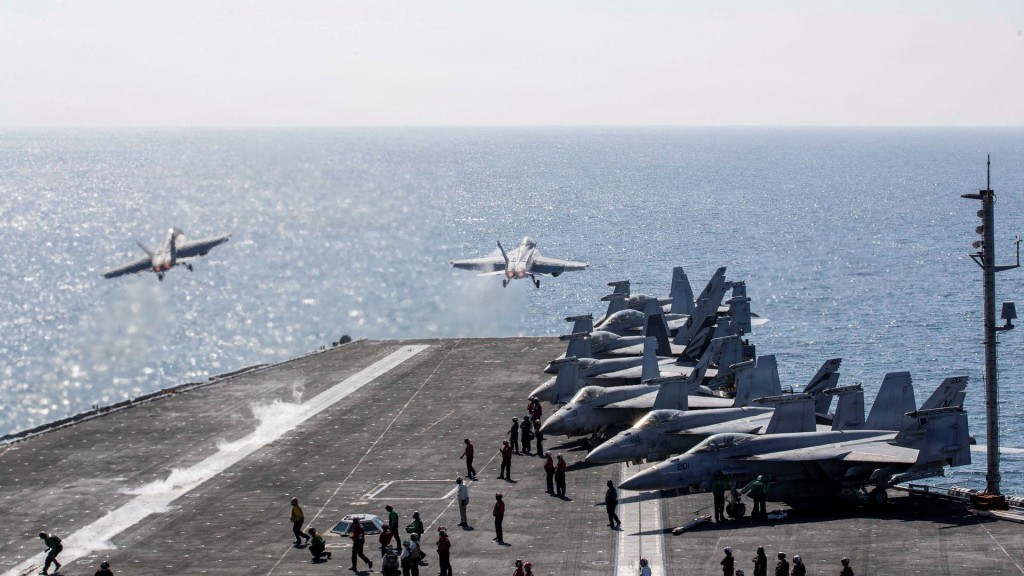
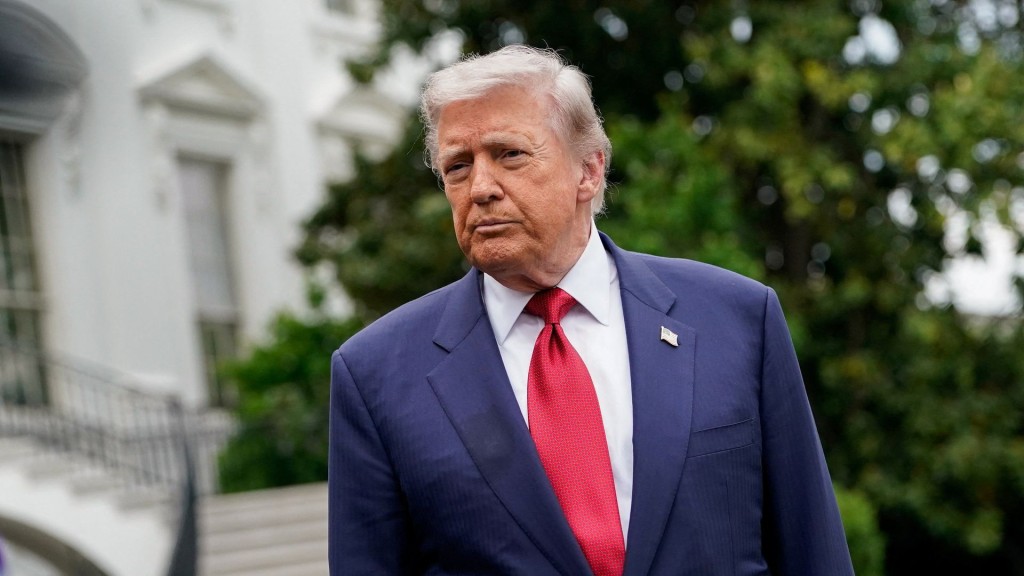
US President Donald Trump has paused his plan to strike Iran “to give negotiations another chance” at the request of several Gulf leaders.
On May 17, Trump warned Iran the “clock is ticking” for the Islamic Republic to make a deal before “there won’t be anything left of them,” and on Monday signaled the US had scheduled a May 19 attack on Iran.
But once again, Trump backed down from his previous threat, after speaking to leaders of Saudi Arabia, Qatar and the United Arab Emirates, as the Gulf leaders told him that “serious negotiations are now taking place” and that “a deal will be made” which would be acceptable to all parties.
The fragile truce, brokered by Pakistan with the help of Beijing, is still hanging by a thread, despite sporadic attacks across the Persian Gulf and the continued fighting between Israel and Hezbollah.
The drone strike near the Barakah Nuclear Power Plant in the UAE on May 17 was potentially the latest of Iranian attacks against the UAE, which has suffered a great loss due to its international economic and tourism hub status.
The UAE’s deepening security partnership with Israel – including the reported deployment of the Iron Dome and a secret visit from Prime Minister Benjamin Netanyahu – has also drawn Iran’s retaliation.
However, the latest de-escalation efforts by the Emirates have shown the shared hope of the Gulf states in settling the conflict through peaceful means.
On the other hand, a more moderate approach is being sought by other Gulf countries, such as Saudi Arabia, Qatar and Oman.
The Saudi foreign minister has recently had a phone call with his Iranian counterpart through Beijing’s facilitation, during Iranian foreign minister Abbas Araqchi’s visit to China on May 6, followed by reports that Riyadh was seeking a regional non-aggression pact with Tehran.
As Trump was talking about a new round of military strikes against Iran, Pakistan also reportedly sent troops – equipped with a Chinese-made HQ-9 air defense system – to Saudi Arabia under their mutual defense pact signed in 2025, to protect vital Saudi energy infrastructure against potential Iranian retaliation.
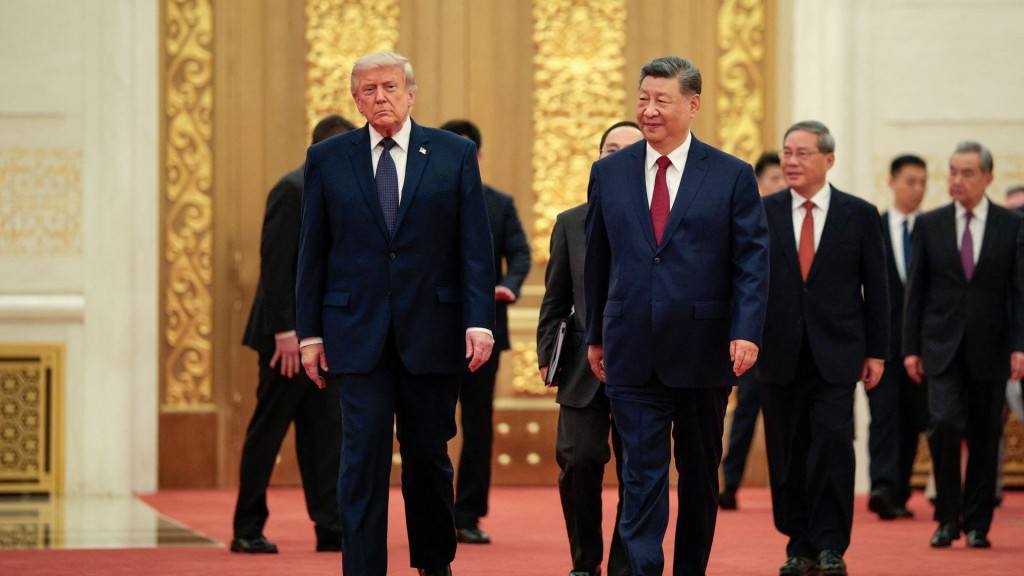
Despite not having been publicly acknowledged by China, the White House statement released after Trump’s China trip said that both Beijing and Washington agreed that Iran cannot have a nuclear weapon, called to reopen the Strait of Hormuz, and agreed that no country or organization can be allowed to charge tolls.
That has not deviated from Beijing’s long-standing policy on the conflict, but the joint statement could be viewed as the two superpowers together pressuring Tehran to make at least some compromises.
Despite being the single largest buyer of Iranian oil and supplier of dual-used items, it remains difficult for Beijing to pressure Tehran on giving up its two key strategic leverages – its enriched uranium stockpiles and control over the Strait of Hormuz.
Nevertheless, Iran’s latest appointment of parliament speaker Mohammad Bagher Ghalibaf as special envoy for China affairs signaled that Tehran is still committed to its unique relationship with Beijing, showing China’s influence is still crucial in the peace process going forward.