
Read More
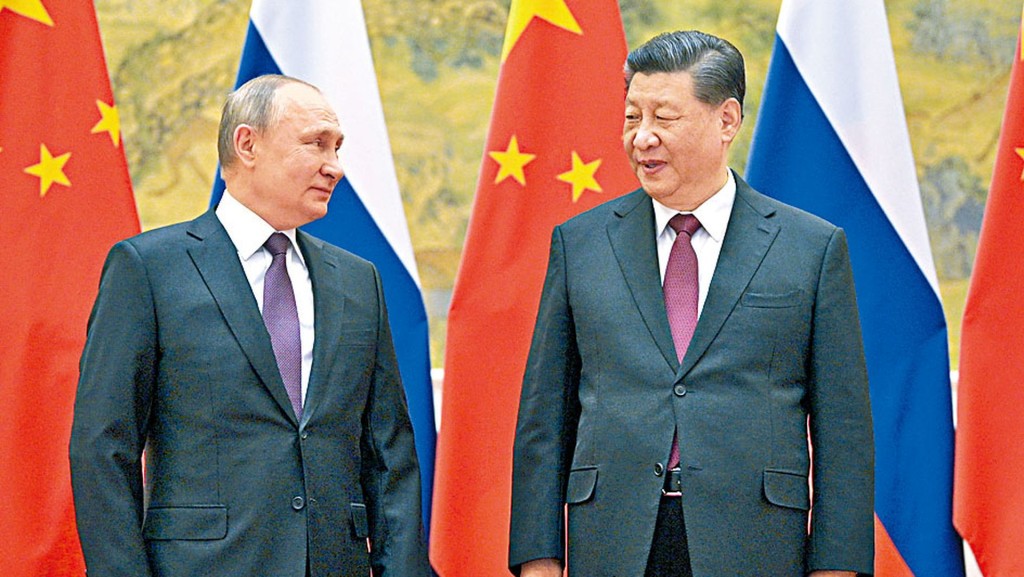
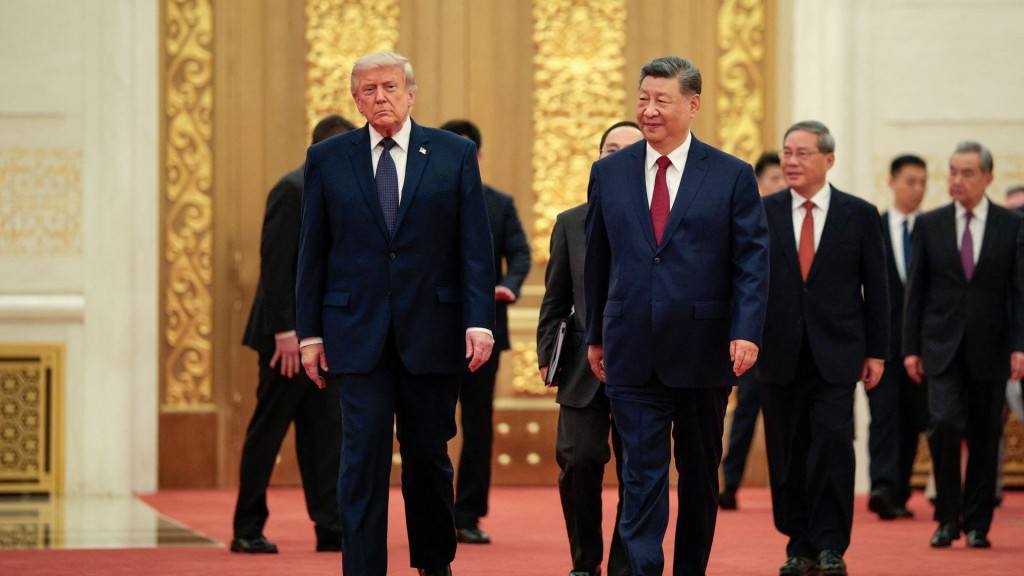
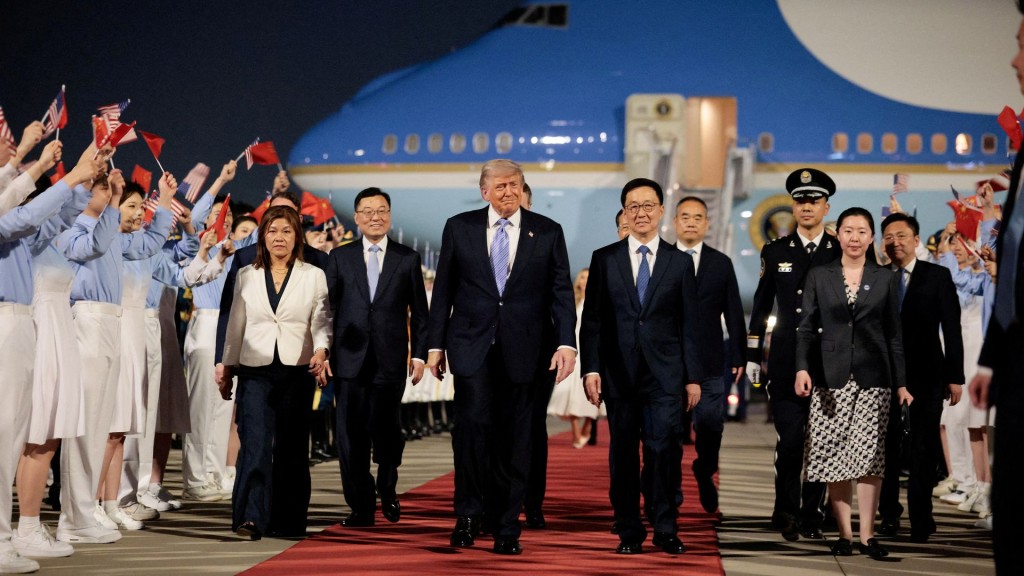
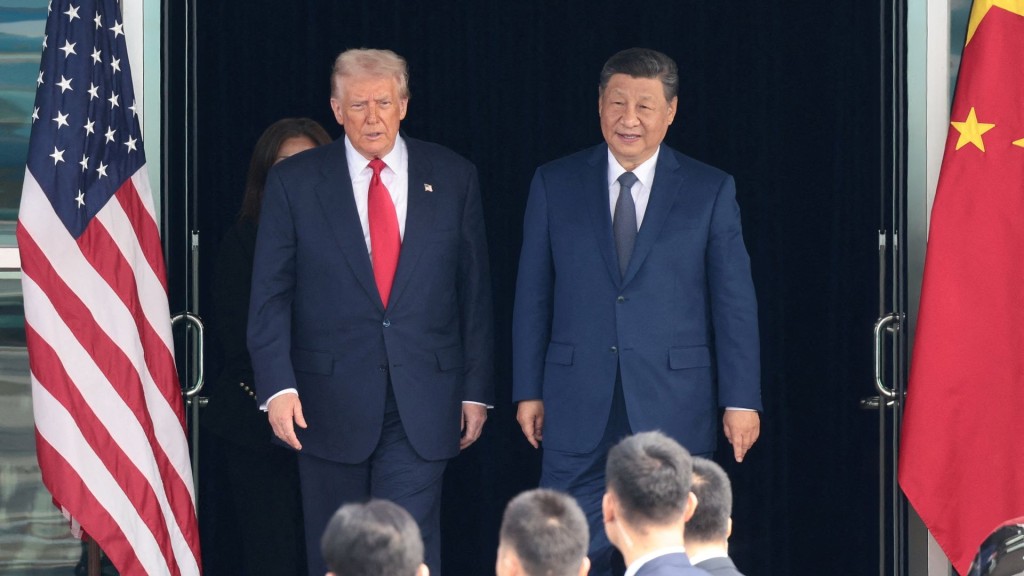
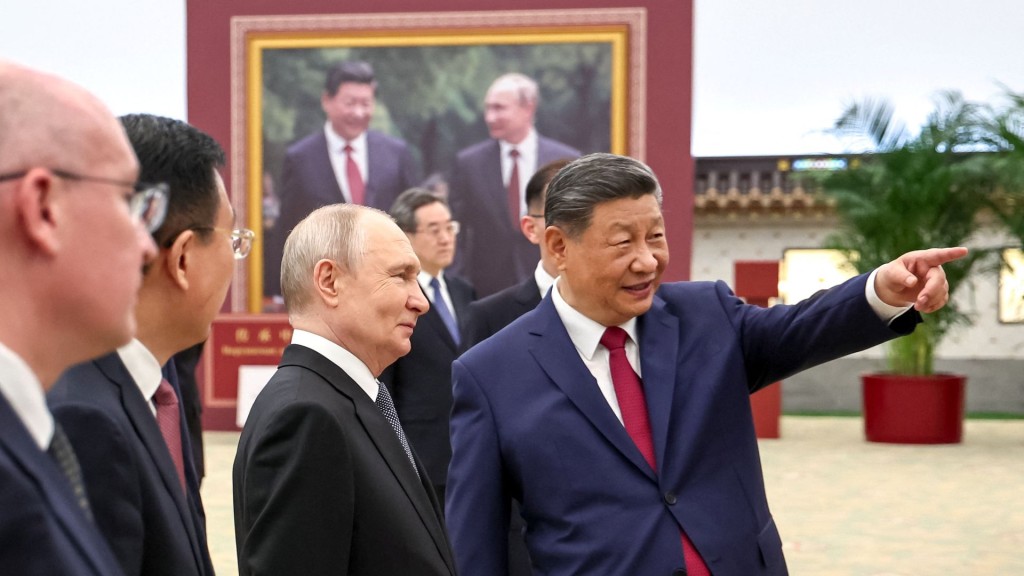
The US and Russian presidents’ state visits to China within a single week could potentially become “the other week that changed the world,” as the three leaders respectively signaled their desire to stabilize relations with one another.
ADVERTISEMENT
SCROLL TO CONTINUE WITH CONTENT
China’s role in the Cold War detente
During the Cold War, there was a period of general easing of tensions between the United States and the Soviet Union, a phase known by the French word detente.
This was partly driven by the diplomatic breakthrough between China and the US in 1972, when then-president Richard Nixon embarked on an ice-breaking trip to his ideological rival, dealing a psychological shock to Leonid Brezhnev in Moscow.
The reasons behind the Sino-American thaw were simple: Beijing was near a breaking point with the Soviet Union. As Moscow threatened to use nuclear weapons against China over the border skirmishes, Mao Zedong sought a counterweight against his northern enemy. Nixon hoped to use Beijing as a leverage in pressuring Hanoi to negotiate, as US troops were increasingly trapped in the quagmire of the Vietnam war.
Both China and the US proved to be the long-term winners in this masterstroke of strategic realignment. Beijing gradually normalized its ties with Western countries, paving the way for the 1980s market reforms that led to China’s economic success today. Moreover, by establishing diplomatic relations with Beijing, Washington acknowledged the one-China principle, severed ties with Taipei, and withdrew its commitment to provide military support if the island were attacked.
Meanwhile, Washington successfully drove a wedge between Beijing and Moscow, forcing Brezhnev to adopt a more conciliatory approach toward the US. Soon after the China trip, Nixon was invited to Moscow, marking the true beginning of the detente era.
Managing relations in a new era
Several parallels can be found in today’s geopolitical situation. After meeting with Xi, Trump warned Taiwan against independence and halted the arms sales to the island, reportedly in exchange for Beijing’s help in pressuring Iran to accept peace terms favoring the US.
Nevertheless, China’s position is no longer as precarious as it was in the 1970s. It has settled its long-standing border dispute with Russia during the Jiang Zemin era, which helped the two countries build trust necessary to develop today’s rock-solid, “back-to-back” relationship.
China has also replaced the Soviet Union as the primary peer competitor to the US. With its “trump card” of rare earth elements, Beijing successfully forced Washington to reach a trade truce and adopt a more pragmatic China policy.
During his time in Beijing, Nixon hailed his journey as “the week that changed the world.” The resulting shift in the triangular balance of power between Beijing, Moscow, and Washington have left a significant impact on the world as we know it today.
In 2026, by reaffirming its strategic partnership with Russia and stabilizing its ties with the US within a week, China could potentially bring the two other superpowers into a new period of detente, where the three poles could continue to compete in a more stable environment. [chrome](chrome://newtab/)