
Read More
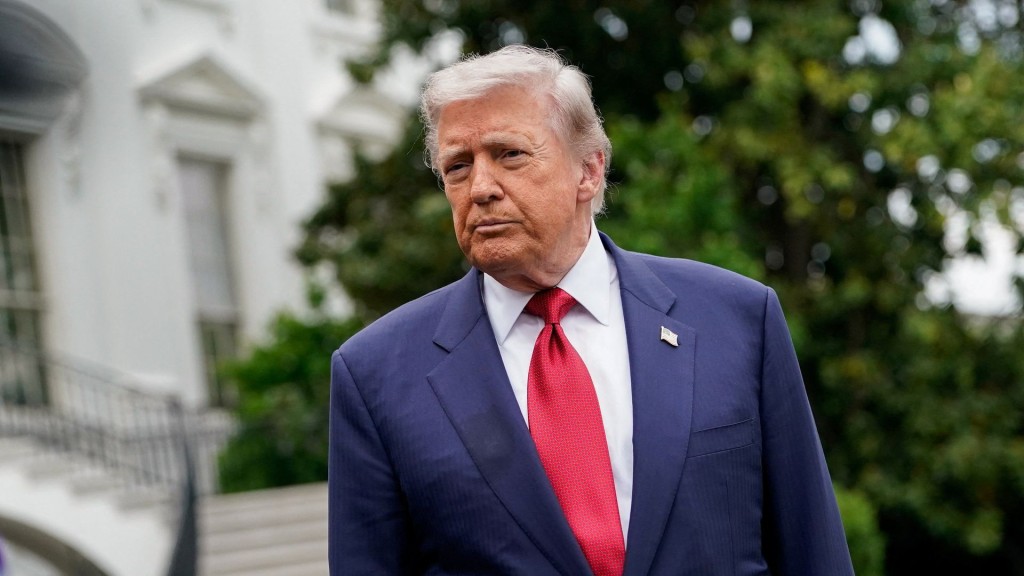
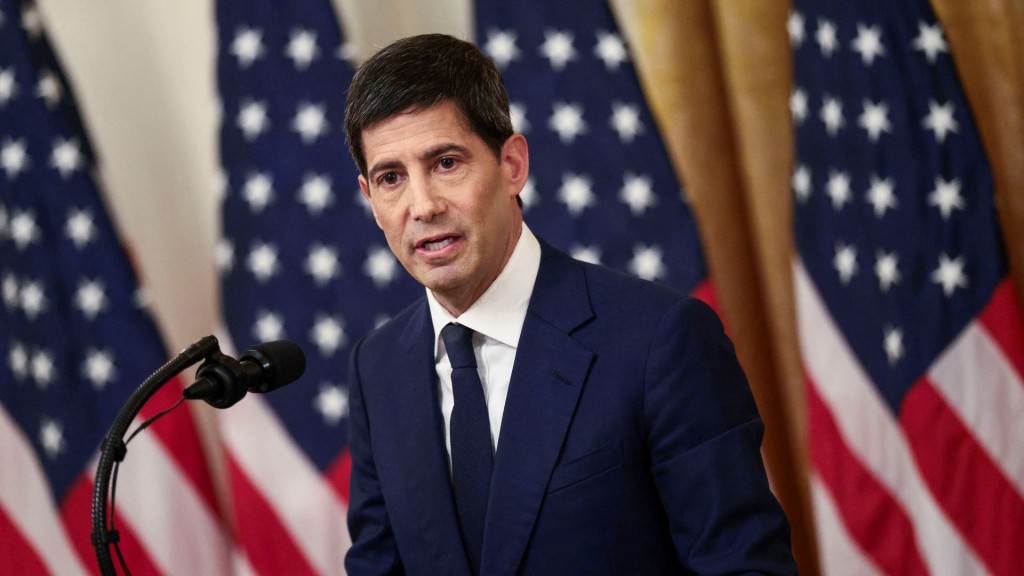
Kevin Warsh was officially sworn in as the 17th chair of the Federal Reserve in a ceremony presided over by US President Donald Trump on May 22, amid a growing ideological tug-of-war between the White House and the central bank. Despite telling Warsh to be “totally independent,” Trump’s previous calls for lower interest rates have cast uncertainty over the Fed’s future policy path.
ADVERTISEMENT
SCROLL TO CONTINUE WITH CONTENT
Trump’s pressure to cut rates
Trump has made no secret of his desire for the Fed to lower borrowing costs to stimulate growth. He publicly insulted Warsh’s predecessor, Jerome Powell, for his hawkish stance and threatened to fire him, alongside launching a criminal probe against him over the refurbishment of the central bank’s offices. Prior to Warsh’s appointment as the chair, Trump also explicitly stated that supporting an immediate reduction in borrowing costs was a baseline requirement to be considered for the job. Although historically an inflation hawk, Warsh has pushed back against the idea that he will serve as a rubber stamp for Trump. Instead, he has argued for cutting the Fed benchmark policy interest rate and structural reforms to eventually lower borrowing costs.
Earlier expectations for continuous rate cuts have been heavily disrupted by the conflict in the Middle East, which has driven Brent crude oil prices up significantly and sparked renewed global anxieties. The latest annual US inflation rate accelerated sharply to 3.8 percent, landing above market expectations of 3.7 percent and well above the Fed’s 2 percent target. Newly released April minutes showed that four officials on the Federal Open Market Committee dissented in favor of a rate hike, marking the highest number of dissenting votes against an FOMC decision since 1992.
A divided FOMC and intense pressure from the White House have sparked concerns that the Fed is trapped and may face a situation where it dares neither to hike nor cut rates, as Warsh risks having his independence be questioned if he listens to Trump, or being subject to retaliation like Powell if he does not.
Iran peace progress remains uncertain
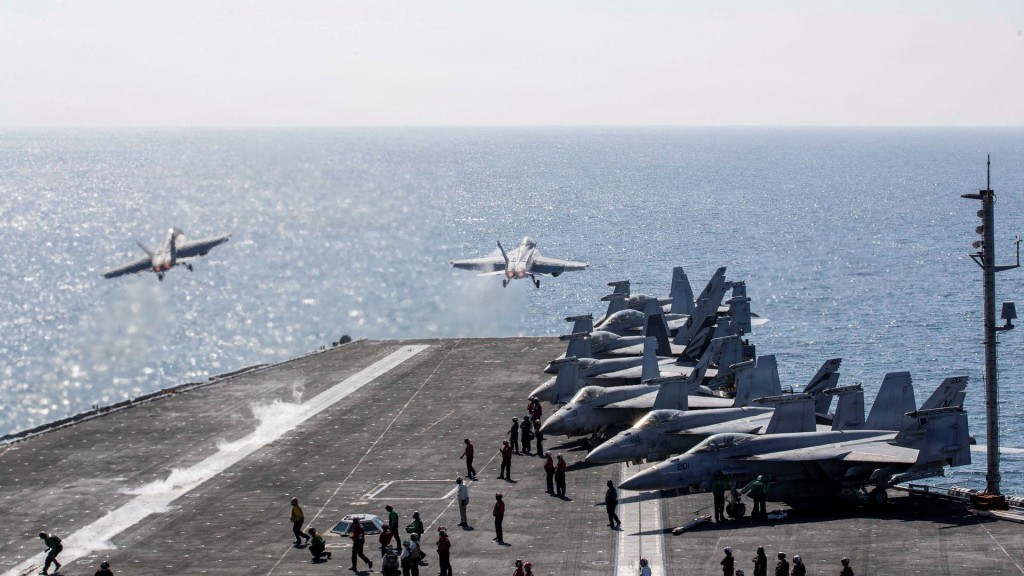
The Fed’s upcoming decisions will heavily depend on the development of the Iran war. Trump announced on May 23 that a peace agreement to end the war and reopen the critical Strait of Hormuz has been “largely negotiated” and will be announced shortly. The United States is reportedly pushing for the reopening of the strait without Iran imposing tolls on transit ships. In return, Washington would unfreeze specific Iranian financial assets held in foreign banks and lift the US naval blockade on Iranian ports.
Although differences remain on how to handle Iran’s highly enriched uranium, this core issue could be left for a second phase of peace talks, so that the immediate lifting of the strait blockade could instantly relieve global energy markets and lower US inflation. While the Fed has held rates steady at 3.50 to 3.75 percent to monitor the negotiating progress, the odds of a rate hike will only keep growing if the war is not resolved soon.