
Read More
The writing is on the wall, and the mercury is steadily rising. For years, society has dismissed extreme heat as a mere seasonal nuisance. However, as global climate patterns shift drastically, soaring temperatures are no longer just a meteorological event, but a public health emergency that demands urgent, coordinated, and comprehensive intervention.
ADVERTISEMENT
SCROLL TO CONTINUE WITH CONTENT
The United Nations has sounded the alarm: Global average temperatures are projected to hit near-record highs in the next five years.
There is now a 75 percent chance that the 2026‑2030 five‑year mean will surpass the crucial 1.5 degrees Celsius threshold above pre‑industrial levels – a tipping point that marks the dawn of what experts are calling the era of “global boiling.”
To make matters worse, a powerful El Nino system is predicted for late 2026, setting the stage for 2027 to shatter previous heat records. The Hong Kong Observatory has warned that the convergence of climate warming and El Nino will leave our city sweltering far above normal temperatures. Yet, while the climate emergency accelerates, our institutional response remains dangerously sluggish.
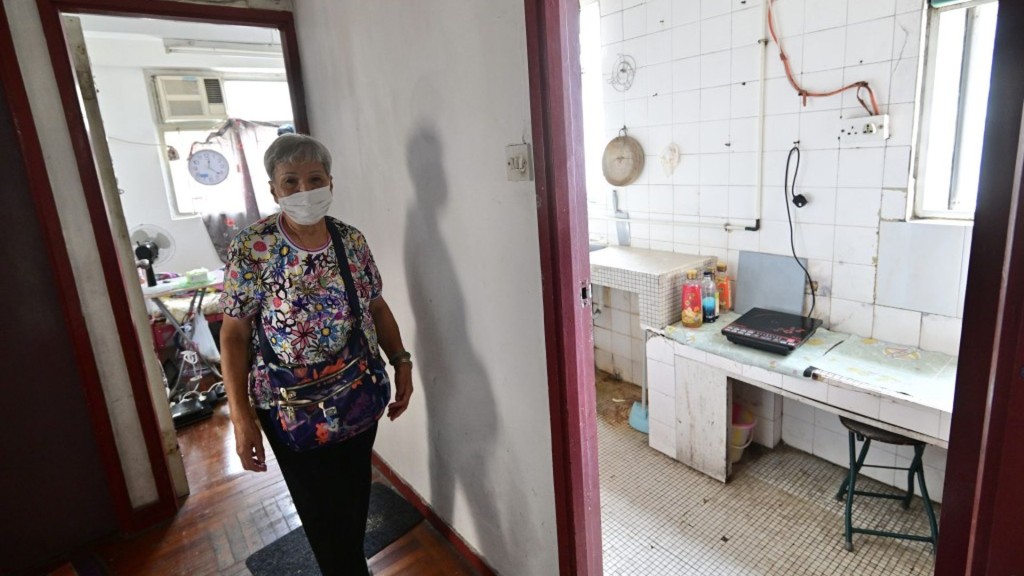
No group is more vulnerable to this crisis than our elderly. For people aged 65 and above – especially those with chronic illnesses – heat exhaustion and heatstroke are not distant possibilities but immediate threats. Nearly one in four seniors has reported feeling unwell from the relentless heat, experiencing dizziness and difficulty breathing. Last summer, the Senior Citizen Home Safety Association responded to over 7,700 emergency calls that resulted in hospitalizations – a sobering statistic that underscores the magnitude of the threat.
Commendably, some organizations are stepping up to fill the gap. The Chinese University’s Jockey Club Institute of Ageing, in partnership with local groups, has begun installing air‑conditioning units for vulnerable seniors in Yau Tsim Mong and Kwun Tong, offering critical relief where it is needed most.
Historically, social welfare agencies and government bodies have concentrated resources on winter relief programs. Blankets, shelters, and cold‑weather warnings have a well‑established infrastructure. Conversely, there is a lack of structured support for summer heat mitigation. Heatwaves require the same institutional mobilization as that aimed to address cold snaps, if not more.
Other than shifting the social welfare paradigm to equalize summer heat relief with winter outreach, some suggest expanding programs to subsidize air‑conditioning and electricity costs for low‑income and elderly households during peak summer months. Accelerating the development of community cooling centers could also be an option to reduce the “heat island” effect.
The UN has issued the warning, HKO has forecast the heat, and our elderly are already feeling the toll. The heat is on, and it is time to act before more lives are lost to the sweltering summers ahead.