Read More



Over 20 men brawl at Wan Chai bar, woman injured as police hunt suspects
27-05-2026 07:18 HKT

Hong Kong a conduit for mainland, French firms
26-05-2026 06:00 HKT


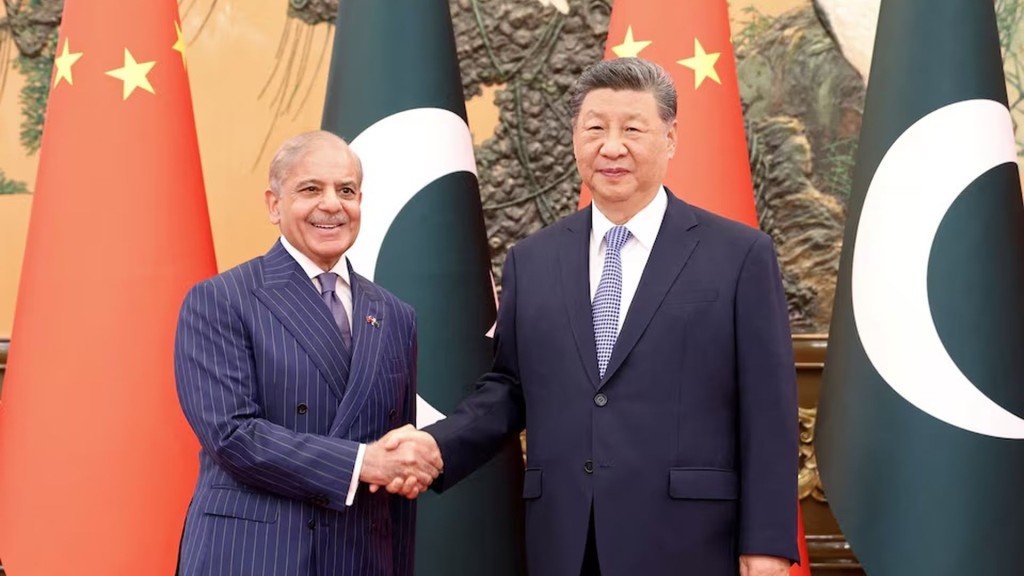
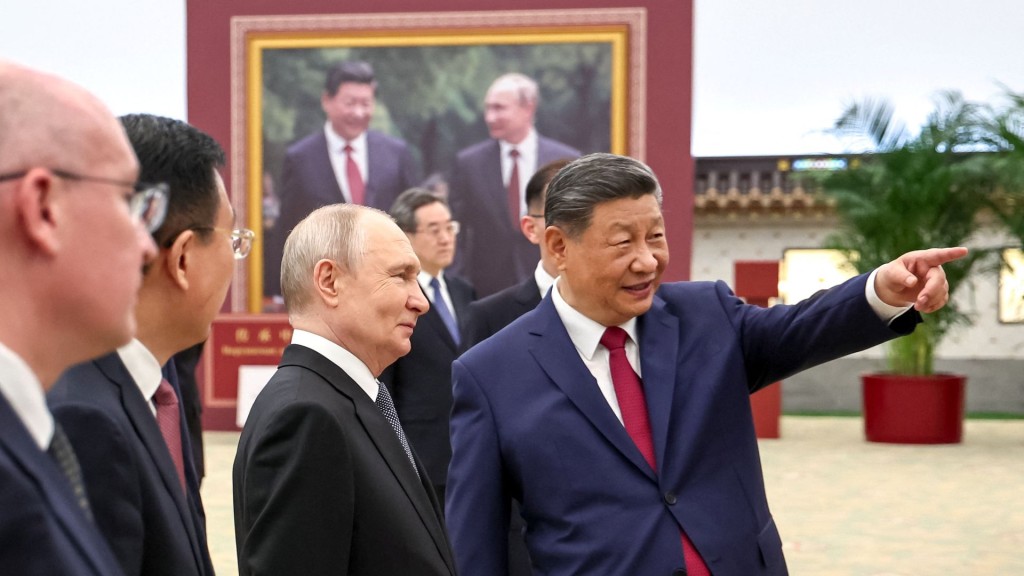
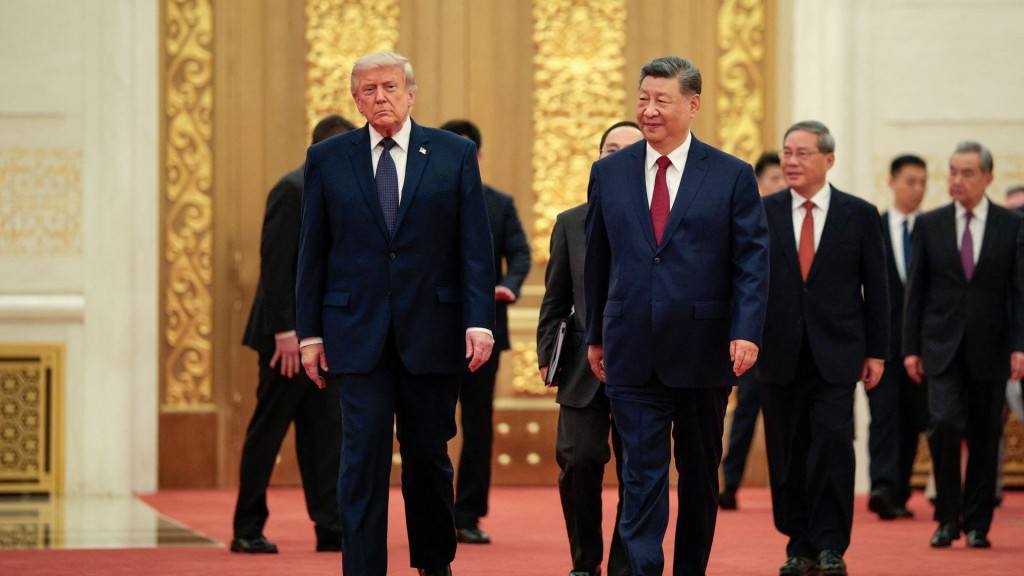
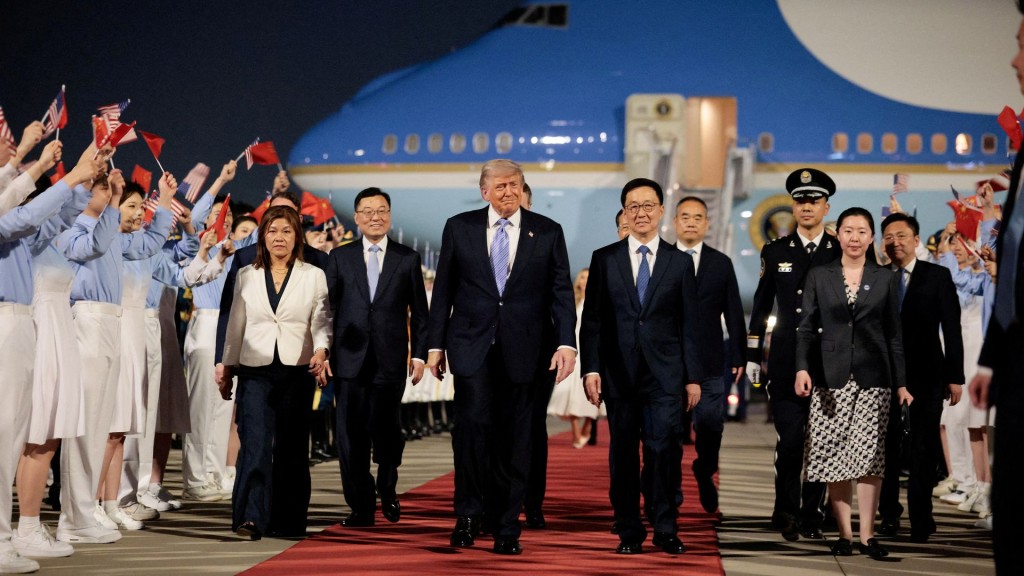
Just after back-to-back visits by US President Donald Trump and Russian President Vladimir Putin, leaders of China’s two “ironclad” friends – Pakistani Prime Minister Shehbaz Sharif and Serbian President Aleksandar Vucic – have also traveled to Beijing. Unlike the United States and Russia, which are the two major global powers, Pakistan and Serbia are two crucial regional forces serving as China’s strategic anchors in South Asia and Europe.
Pakistan was the first Muslim country to recognize Beijing in 1951, and shares China’s goal of countering India’s influence in the South Asian subcontinent. Both countries have engaged in conflicts with India in the past, with Pakistan recently crushing India in aerial dogfights using Chinese-made J-10CE fighter jets.
Pakistan remains the largest importer of Chinese weapons and Beijing’s important diplomatic channel. It served as a secret intermediary bridging China and the US at the peak of the Cold War, paving the way for Richard Nixon’s ice-breaking China trip and the normalization of ties between Beijing and Washington in the 1970s.
With Islamabad signing a mutual defense pact with Riyadh – which has potentially brought Saudi Arabia into Pakistan’s nuclear umbrella – and sending troops to protect its oil-rich ally amid the US-Iran war, China has also found a channel to indirectly participate in the security framework in the Middle East, much like it did when mediating between Washington and Tehran through Pakistan.
As the US has been proven inadequate in safeguarding the security interests of the Gulf states, Gulf leaders will naturally look eastward and seek alternative security cooperation with Beijing.
On the other hand, China and Serbia’s shared history traces back to the Cold War, when Belgrade – under the rule of Josip Broz Tito as Yugoslavia – navigated a delicate balance between the US and the Soviet Union, a similar position also adopted by Beijing.
The two countries also hold a deep grievance against US-led Western unilateralism, stemming from when NATO bombed Yugoslavia during the Kosovo war and mistakenly struck the Chinese embassy in Belgrade, killing three Chinese journalists.
Serbia remains a key non-EU country and a counterweight to the dominance of Brussels in Europe, providing a crucial channel for Beijing to exert its influence on the continent despite the increasing EU and NATO antagonism towards China.
Serbia was also among the earliest European countries to join the Belt and Road Initiative, absorbing billions in Chinese investments for major projects. One such project is the Hungary‑Serbia railway, which has become increasingly important due to renewed discussions surrounding the Middle Corridor – connecting China with Europe through Central Asia, Turkey and the Balkans – amid the disruptions to traditional trade routes caused by the wars in Ukraine and Iran.
Meanwhile, the US blockade on Iran has also made the China‑Pakistan Economic Corridor more crucial than ever before, as the land corridor allows Iran to maintain its economic lifelines from China and export its oil to China via Pakistan.
As the global geopolitical shift accelerates at a faster pace, the rock‑solid ironclad friendships China shares with Pakistan and Serbia will only become more valuable.