Read More

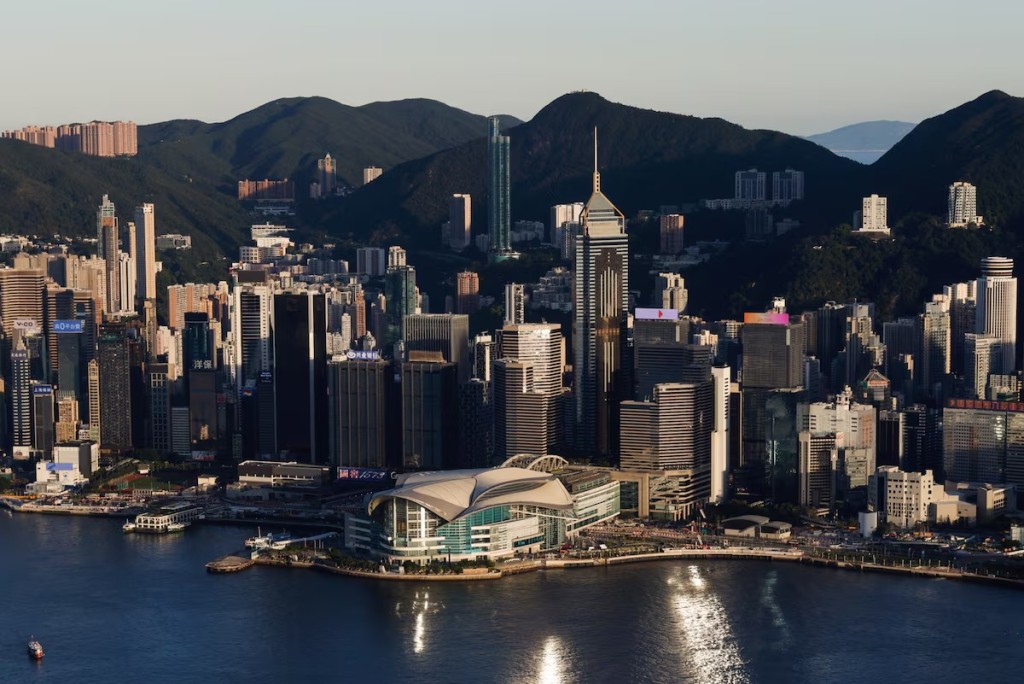
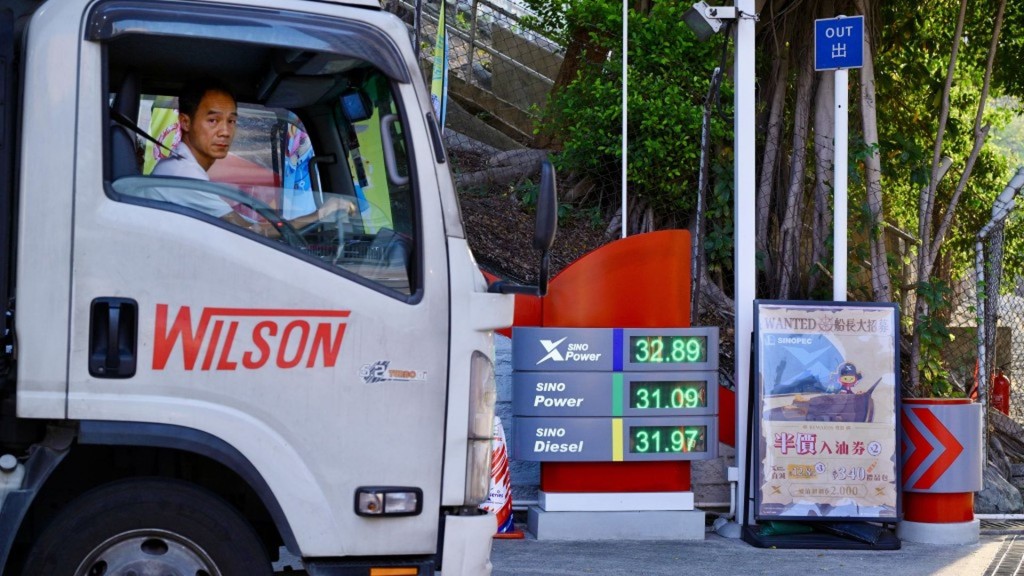




The wait for the government to gain a free hand to optimize usage of the city's three cross-harbor tunnels is coming to an end.
When the 30-year franchise - including almost five years of construction from 1993 to 1997 - expires on August 2, government officials will no longer need to look to the tunnel's commercial operator for goodwill to overhaul the tolls so that vehicular traffic can spread evenly among the three harbor crossings.
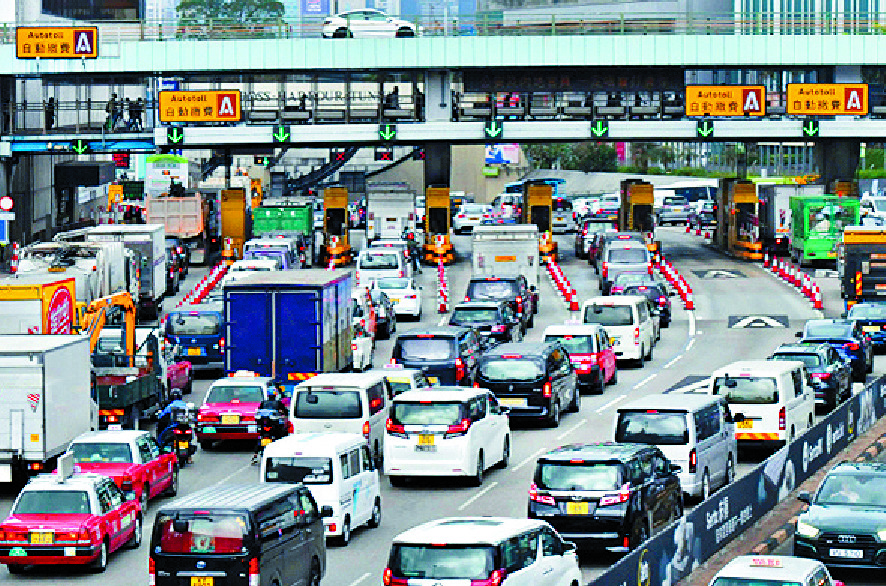
Over the years, the tolls at the Western Harbour Crossing between West Kowloon and Sai Ying Pun have been considerably higher than those at the Cross-Harbour Tunnel between Hung Hom and Causeway Bay and the Eastern Harbour Crossing between Lam Tin and Quarry Bay.
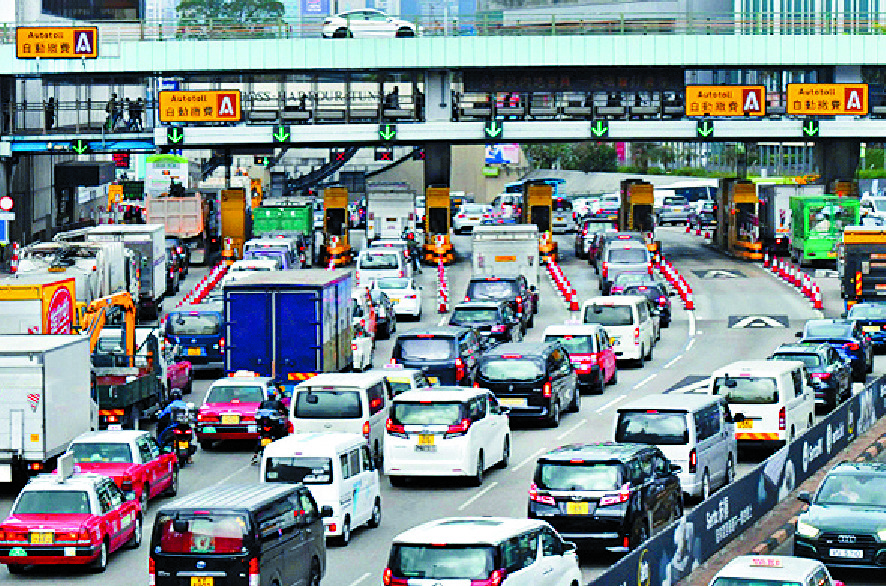
Wide toll gaps have been blamed for the traffic congestion in central Kowloon as well as the Wan Chai and Causeway Bay districts.
Transport Secretary Lam Sai-hung yesterday revealed a plan in the government's first serious attempt to reform the toll structure in order to optimize usage of the various harbor tunnels - and I am rather optimistic about the eventual outcomes.
I am optimistic not because of the new toll structure that Lam unveiled at a highly anticipated press conference but due to the simple fact that the government's hands are no longer tied and transport officials are free to test different toll models until a highly efficient one is found.
The plan announced yesterday by the Transport Bureau consists of two stages.
In the first stage, immediately after the ownership of the Western Harbour Crossing is returned to the government at midnight of August 1, the toll for private cars, for example, will be reduced by 20 percent to HK$60 from the current level of HK$75.
At the same time, tolls for private cars at the Cross-Harbour Tunnel and Eastern Harbour Crossing will increase variously to HK$30 - meaning that their toll gaps with the Western Harbour Crossing will narrow to HK$30 from as much as HK$55.
In the second stage, further changes are planned to be introduced before year-end to differentiate tolls for rush-hour and non-rush-hour use.
Outside of rush hours, tolls will fall to HK$30 at all three tunnels during the day, and down to HK$20 from 7pm to 7.30am.
A simpler toll structure will be adopted on Sundays and public holidays.
It is predictable that the spread of vehicular traffic among the three tunnels will improve as a result of a narrowing in the toll gap.
However, only time will tell whether or not the improvement will be as good as predicted by the scientific model which helped Lam's team arrive at the new toll schemes.
Actually, it does not really matter even if the initial outcomes are not as ideal as projected since the government can readily make adjustments to experiment on other toll combinations until a highly effective set of tolls shows up.
That being said, caution must not be forgone to avoid any toll schemes that may confuse motorists. A complicated toll structure can be counter-productive.