
Read More
As geopolitical storms rage and global oil alliances fracture, the Hong Kong government’s HK$3 fuel subsidy is a model of temporary, targeted, and accountable relief.
ADVERTISEMENT
SCROLL TO CONTINUE WITH CONTENT
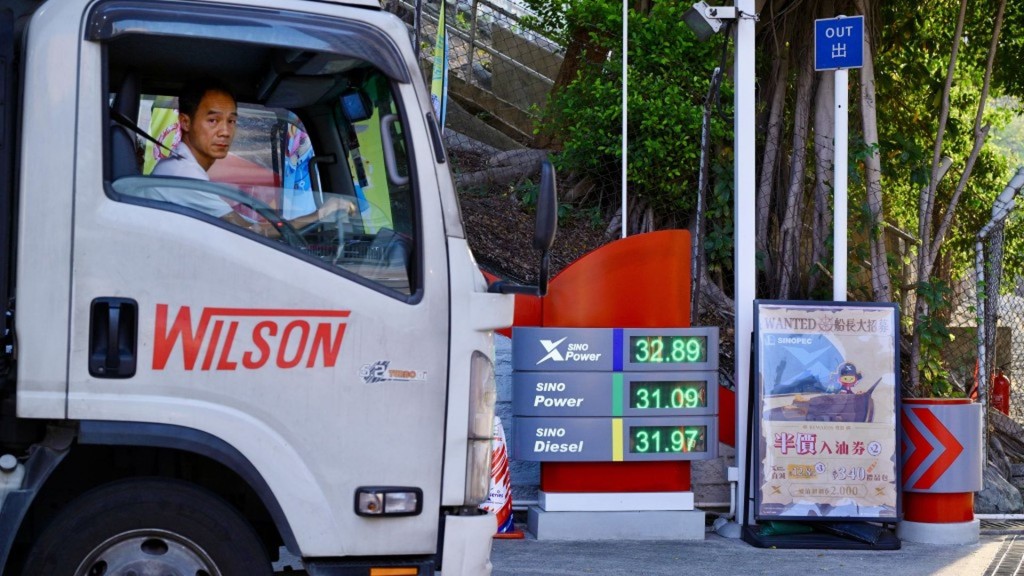
The SAR government activates a critical financial lifeline today: a HK$3 per liter diesel subsidy for commercial vehicles and vessels. Slated to run until June 29 and backed by HK$1.8 billion in public funds, the measure arrives not a moment too soon.
With the World Bank warning of the largest energy price surge since 2022 and the global oil order collapsing in real time, this intervention is wholly appropriate – provided it remains as disciplined as it is compassionate.
The perfect storm: war and cartel exit
The justification for this public spending is rooted in undeniable geopolitical reality. The ongoing war in Iran has triggered what the World Bank describes as the largest oil supply shock on record.
The blockade of the Strait of Hormuz – a chokepoint for 20 percent of global oil – has slashed supply by over 10 million barrels per day, with Brent crude spiking above US$110 (HK$858) per barrel.
This is not market fluctuation; this is a black swan event crippling the transport and logistics sectors that Hong Kong relies upon to breathe. To make matters more unpredictable, the UAE will formally leave OPEC tomorrow. This historic departure removes a production “straitjacket” for Abu Dhabi, allowing it to ramp up output to nearly 5 million barrels per day outside of coordinated quotas.
While this could lower prices in the long run, the immediate effect is immense uncertainty. If other nations follow suit, we may see a chaotic price war or a collapse in coordinated supply management.
Until the fog of this energy war clears, government intervention is not just necessary – it is the only shield against economic paralysis.
Targeted relief vs market distortion
The Hong Kong government has wisely rejected the temptation to impose heavy-handed permanent price controls, which could drive suppliers out of the city’s unique market.
Instead, by paying the HK$3 difference directly to designated oil companies and distributors, the government ensures relief reaches the driver immediately without dismantling the mechanics of a free economy.
Crucially, this is public money, and the administration has built a fortress of accountability around it. Environment and Ecology Secretary Tse Chin-wan has mandated weekly sales reports and independent audits.
Distributors must purchase non-subsidized diesel before selling discounted stock – a “no-mixing” rule designed to prevent fraud.
If irregularities surface, the government retains the right to halt the scheme immediately. This “ready to pull out” stance is vital. Subsidies, like medicine, require a prescription with a clear end date to prevent long-term market dependency.
The exit strategy matters most
Looking ahead, the relief is time-bound for a reason. While the war has caused immediate pain, the UAE’s OPEC exit hints at a future of potentially higher supply.
The immediate crisis does not justify permanent fiscal expansion. As Financial Secretary Paul Chan Mo-po noted, social support must be ready to retract when the global tide turns.
As Hong Kong navigates these volatile months, the diesel subsidy stands as a necessary surgical strike against inflation. It protects the cost of moving goods and people without bleeding the treasury dry. It is a reminder that in a black swan event, a government’s role is not to replace the market, but to stabilize the ship until the storm passes – and to know exactly when to lower the lifeboats.