





Read More








Four winners split massive jackpot in record-breaking Mark Six draw
02-05-2026 22:48 HKT


One dead, 11 injured in horrific hit-and-run rampage in Chengdu
02-05-2026 12:11 HKT


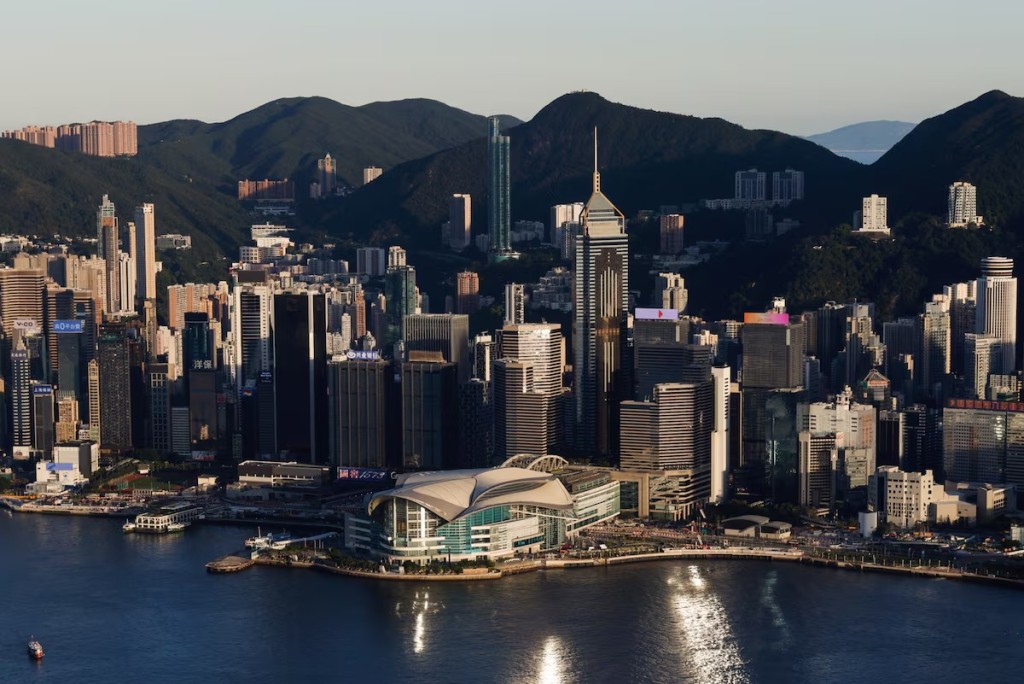
As consuls general of the Middle East’s bitter rivals both praise Hong Kong’s stability, the city’s role as a global refuge and crossroads comes into focus.
Talking to foreigners often reminds Hongkongers of the advantages we take for granted. This time, the reminder came from two consuls general – representing two of the world’s oldest civilizations – now caught in one of their most violent confrontations.
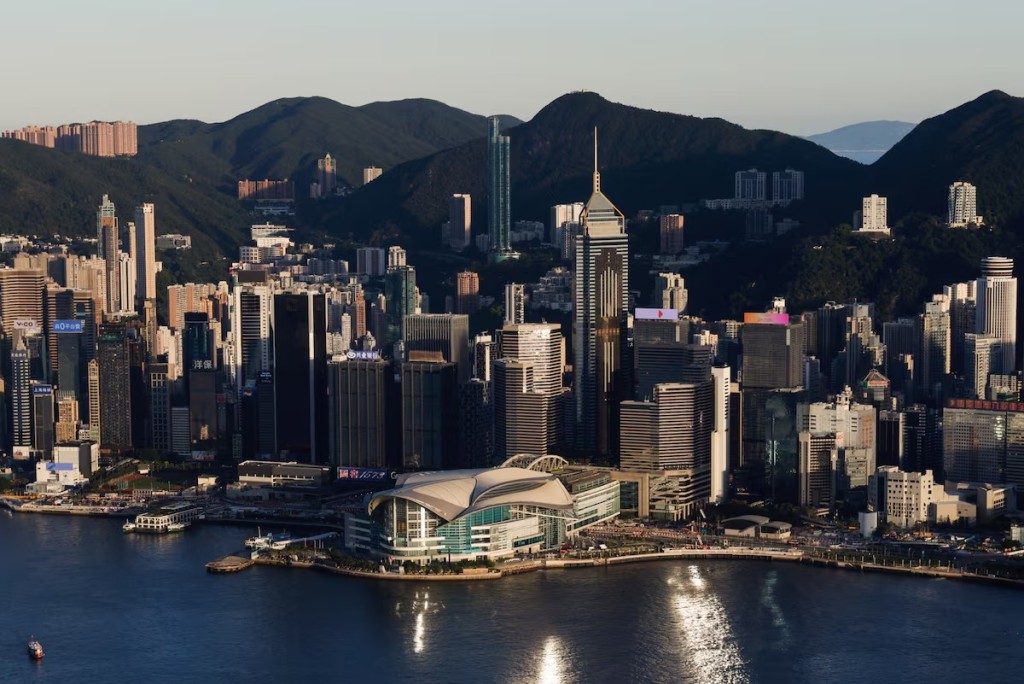
Amid global chaos, Hong Kong’s status as an international financial center and tourism hub is further reinforced. Over the past three days, 351,000 tourists arrived – 169,000 from the mainland and 182,000 from elsewhere. In a world searching for safe travel, Hong Kong remains a tourist destination. The Iranian and Israeli consuls general reminded us of something else: our rich cultural resources. Despite our small size, Hong Kong has always been a place where global communities settled and built.
Iran’s CG Hassan Doutaghi spoke of the Parsis. Israel’s CG Amir Lati spoke of the Jews. Both are known as communities of smart businessmen. Most know about Jews, whose reputation was captured in Shakespeare’s The Merchant of Venice.
The Parsis are Persian Zoroastrians who migrated to India. Their ancestors once ruled a continent-spanning empire. Zoroastrianism is distinct from Abrahamic faiths – it believes in one God, Ahura Mazda, and emphasizes “good thoughts, good words, good deeds.” Fire is a symbol of purity, not a deity.
Some Parsis ended up in Hong Kong. Sir Hormusjee Naorojee Mody founded the University of Hong Kong; a road in Tsim Sha Tsui bears his name.
In addition to Parsis and Jews, Armenians are another example. Armenian businessmen like Sir Catchick Paul Chater, who advocated reclamation and once chaired HSBC, also left their mark.
While most Chinese temples, mosques, churches, Hindu temples, and Sikh temples open their doors to the public, Hong Kong’s four synagogues and its only Zoroastrian temple do not.
I was lucky enough to visit Ohel Leah Synagogue and the Jewish cemetery. The synagogue holds precious Torah scrolls. The cemetery tells Hong Kong’s history – Jewish contributions carved in stone, alongside rituals unfamiliar to most visitors.
Cemeteries worldwide, from Père Lachaise in Paris to Highgate in London, draw tourists. Hong Kong’s cemeteries, too, hold lessons.
A group of friends from Beijing once flew down especially to visit the Parsi temple and cemetery. Religion and history fascinate – especially when they are hidden.
These little-known cultures, histories, and religions deserve wider recognition. Hong Kong’s tourism authorities, museums, and cultural bodies could do more to tell these stories – through curated walking tours, educational exhibits, or heritage trails that highlight Parsi, Jewish, and Armenian landmarks. But promotion must never become intrusion. These are not theme parks; they are living faiths with sacred practices and communities that value privacy. Any effort to open doors must be done with respect, consultation, and consent – not as a spectacle, but as a bridge to understanding.
Hong Kong is not just a financial hub. It is a place where ancient civilizations meet, where persecuted communities found shelter, and where – even amid global turmoil – safety and diversity still matter.
𝗗𝗼𝘄𝗻𝗹𝗼𝗮𝗱 𝗧𝗵𝗲 𝗦𝘁𝗮𝗻𝗱𝗮𝗿𝗱 𝗔𝗽𝗽 ↓
