Read More
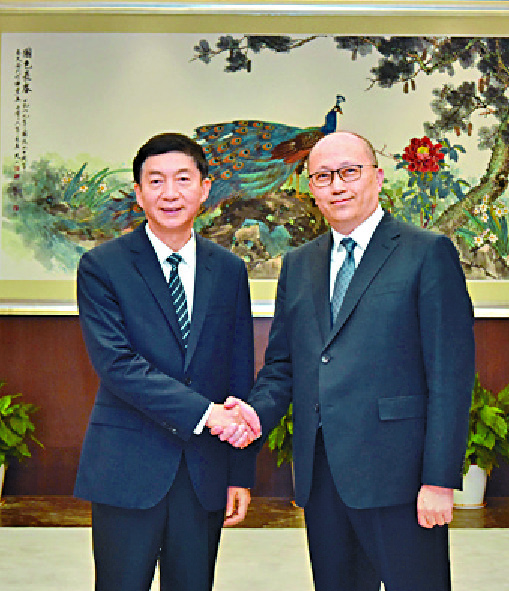
National security chief Zheng Yanxiong is often likened to a hardliner and his promotion to take over from Luo Huining as director of the central government's liaison office could be indicative of Beijing's policy towards Hong Kong after the pandemic.Given that Zheng's resume includes a crackdown on protests in Wukan village in 2011, as well as the lead role he played in "coordinating, overseeing and guiding" Hong Kong's work in national security, there is no doubt that Zheng is a tough cadre totally committed to finishing his given tasks.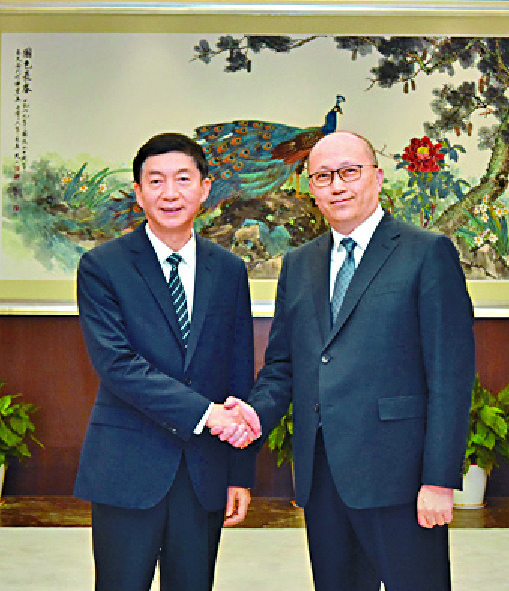
The comparison is convenient - but probably too convenient to be taken at face value.
ADVERTISEMENT
SCROLL TO CONTINUE WITH CONTENT
By the same token, Zheng, a fluent Cantonese speaker, can also be expected to carry the job through 100 percent in his new role at the liaison office.
The question is: what does the new job entail?
Luo, 68, has reached retirement age. His stepping down as liaison office director was natural and it is not a major issue whether or not Beijing should have waited until after the NPC and CPPCC annual sessions to announce the change.
Perhaps Beijing just wanted to implement its updated strategy as soon as possible.In respect of Hong Kong, Beijing has toned down the rhetoric a lot after more than two years of clamping down on the opposition.
Unless Beijing decides otherwise, it is likely that Zheng will stick to the updated policy equally without diverging.That being said, there is still plenty of room for him to stand out from his predecessors - and this is the style he may display to the public here.
He immediately took the opportunity to meet the media and, a day later, delivered a Lunar New Year speech via video.It was rumored that Luo had expected to give the LNY speech but the reshuffle was so immediate that the arrangement had to be changed.
Needless to say, most notable of all was Zheng's undertaking to speak more for Hong Kong whenever he is in Beijing - and he is equally prepared to speak more for Beijing when he is in the SAR.This makes sense as it will be useful for Zheng to keep Beijing leaders abreast of what people in Hong Kong are most concerned about. If keeps to the commitment, it will help forge mutual understanding.
Zheng was down to earth when he said he was keen to see the SAR develop economically and reconnect with the world.A concern is that, while it has been an objective reality that the central liaison office and the SAR government have been working hand in hand in implementing Beijing's policy, being too close could easily give rise to a perception that the liaison office is meddling in SAR affairs - and that could embarrass the Hong Kong government.
As he spoke, Zheng was clearly careful with his words to avoid giving such an impression.More time is needed to monitor the working relationship. It is likely that, as long as national security is safeguarded, the SAR will be given greater freedom to handle its own affairs.Winnie Ho