Read More













Singapore mulls tax cuts as top finance professionals return to Hong Kong
25-07-2026 21:22 HKT

HKO to issue T8 signal at 10.10pm as Typhoon Noul threatens
25-07-2026 19:42 HKT
The court heard that, with his wife's consent, the defendant placed a pot of burning charcoal in her bedroom at their Ap Lei Chau home after she fell asleep in January 2020.
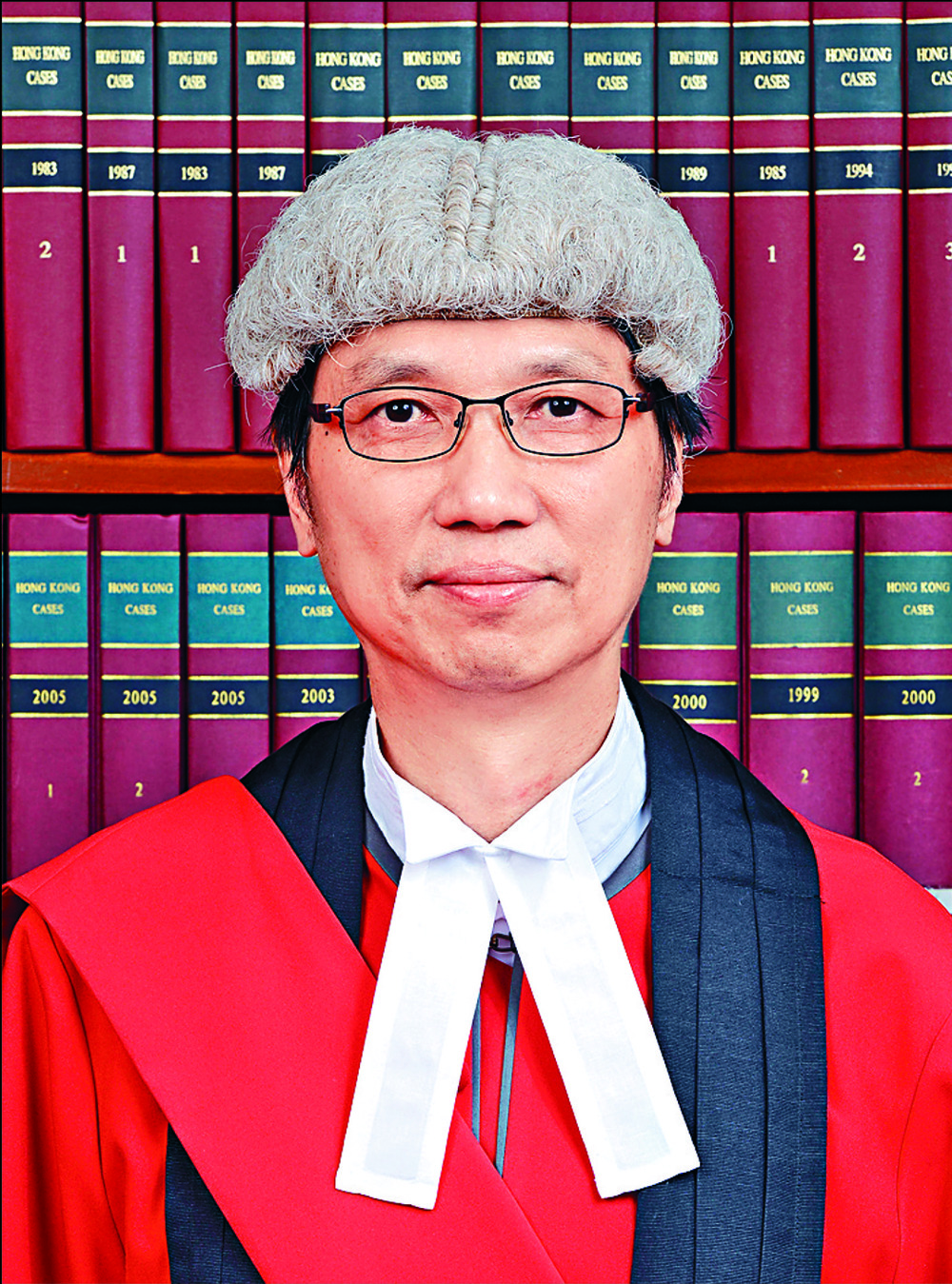
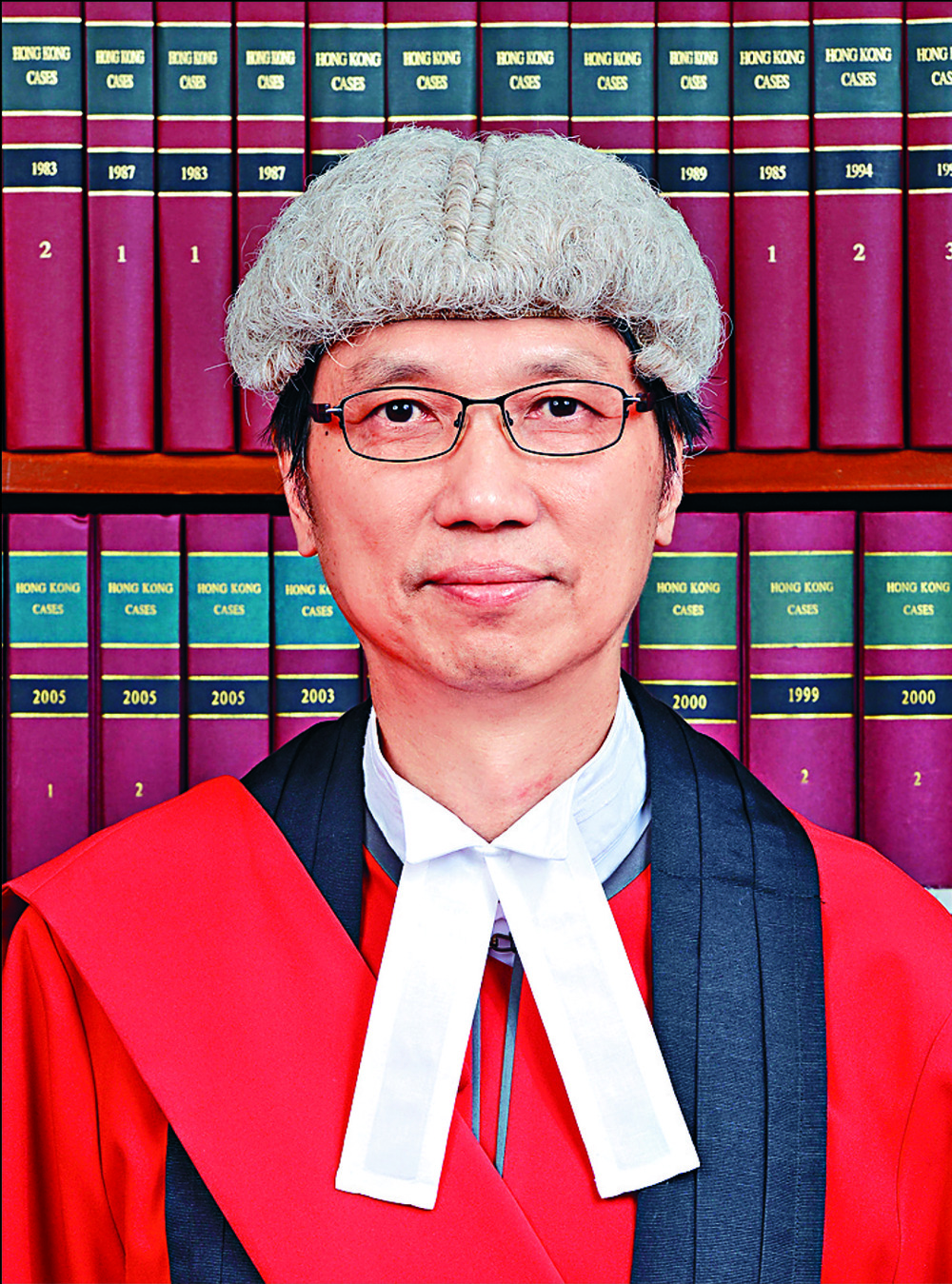
The judge said the case merited compassion and he imposed a probation order for a year rather than a jail sentence due to public interest and the special circumstances of the case.
The judge was convinced that the case was a tragedy and the accused wanted to let his wife, who was suffering from late-stage lung cancer, pass away peacefully to end her suffering.
Also, he believed the defendant was enormously remorseful for having not been able to discover his wife's disease early, saying the court did not doubt the defendant's love for his wife.In sentencing, the judge apparently exercised great care to avoid creating an impression that the court endorsed euthanasia.
That is also commonly know as "mercy killing" but "assisted suicide" may be a more accurate term to reflect the essential element of consent that is needed to understand the case.The judge stressed that an objective of the judicial system is to protect people's lives and that taking a person's life illegally will be punished by the law.
So, regardless of all the special circumstances of this tragic case, the killing was unlawful.However, the probation order was probably the lightest punishment that the court could have given.
Anything less would effectively amount to a non-conviction.It is thought that, as the judge weighed the case, he also tried to understand the situation facing the defendant's wife at that time and whether or not she had given her consent.
Assisted suicide is a highly controversial subject in the West.On the contrary, it is rarely brought up for discussion in the East - including here in Hong Kong - where longevity is commonly viewed as a blessing.
The last heavily reported incident of assisted suicide was that of David Goodall, an eminent English-born scientist in Australia.In 2018, he traveled all the way from his Australian home to Switzerland, with a stopover in France, to end his life at the age of 104 through assisted suicide, which is legal in Switzerland.
When he announced his plan to end his life, the scientist said he felt it was no longer worth living, but critics said this set a dangerous precedent.The High Court judge may have kept away from the debate, but the lenient sentence continues it.