Read More
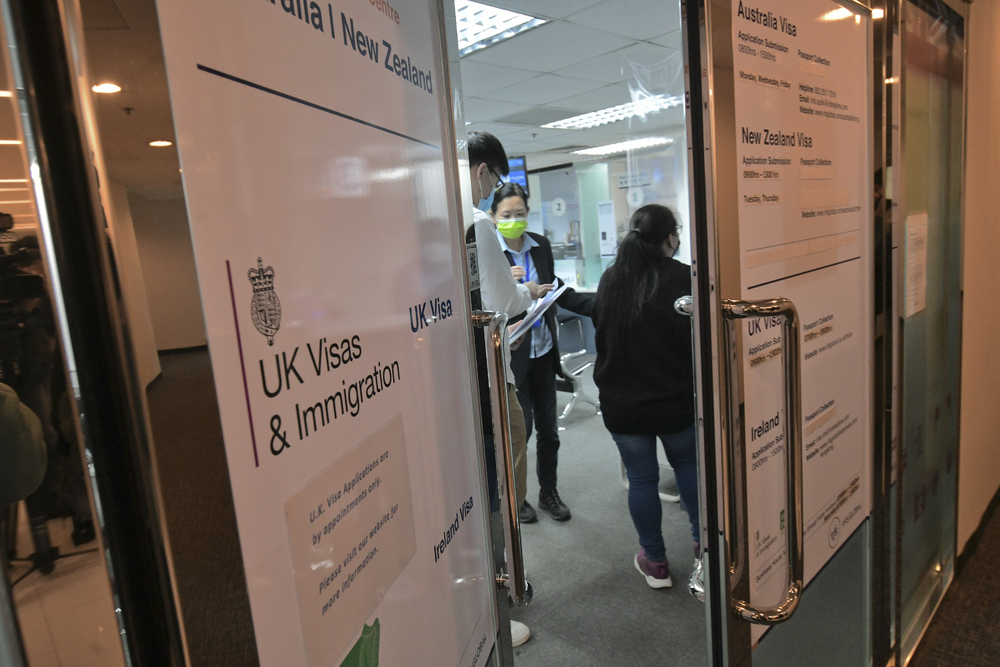
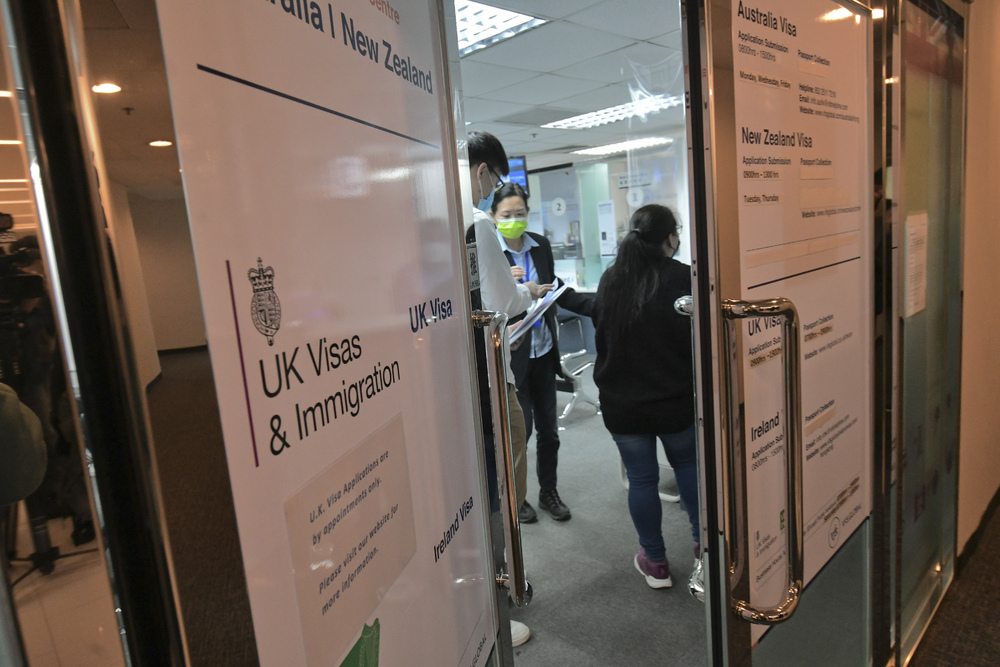
A special visa that paves the way for British National (Overseas) holders to get permanent residency in the United Kingdom cannot be used as proof to withdraw their mandatory provident funds early, the MPF Authority confirmed yesterday.
ADVERTISEMENT
SCROLL TO CONTINUE WITH CONTENT
The move by the Mandatory Provident Fund Scheme Authority, a statutory body which supervises the operations of MPF schemes, means that those moving to Britain under the new BNO visa scheme will face more difficulties in applying for early withdrawal of their provident funds.
Under the British scheme launched on January 31, Hongkongers with BNO status are allowed to live, study and work in the country for five years and eventually apply for citizenship.
The MPFA announcement was the latest development in the political fight between China and Britain on the BNO issue.
As a countermeasure, China and Hong Kong no longer recognize the BNO passport as a valid travel document.
Under MPF legislation, permanent departure from Hong Kong is one of the reasons that people can use to withdraw their money from trustees early instead of waiting until their retirement at the age of 65.
Reports on Tuesday said insurance giant Manulife told its agents in internal guidelines that the BNO visa would be an acceptable document to prove people's emigration.
This was refuted yesterday by the MPFA saying the SAR government no longer recognized the BNO passport as a valid travel document or proof of identity.
"Thus, scheme members cannot rely on BNO passport or its associated visa as evidence in support of an application for early withdrawal of MPF," it stated.
The MPFA will follow up with MPF trustees, it said, adding trustees have the duty to observe Hong Kong laws when handling administrative matters of MPF schemes. "When processing applications for early withdrawal of MPF on the ground of permanent departure from Hong Kong, MPF trustees must act as gatekeeper by reviewing all evidence provided by applicants, and the totality of facts and information," it said.
Under the law, an applicant is required to make a statutory declaration that they have departed or will depart from Hong Kong to reside elsewhere with no intention of returning for employment or to resettle in Hong Kong as a permanent resident.
They are also required to provide documentary proof "satisfactory to the trustees" that they are permitted to reside in a place outside Hong Kong.
A Manulife spokesman yesterday said: "As part of the MPF industry, Manulife has been following industry practices and regulatory requirements when processing members' application for early withdrawal of accrued benefits on the ground of permanent departure from Hong Kong. We will also follow the latest guidelines as clarified by MPFA."
Benny Cheung Ka-hei, director of Goldmax Immigration Consulting, said BNO visa applicants can only wait until they are 65 years old to get their MPF money, but those who are emigrating to Britain using other visas or moving to other countries would not be affected.
If applicants can prove they have fulfilled circumstances for early withdrawal of MPF, such as a terminal illness, they can still take out the money before 65, he added.
Cheung believed the announcement would not affect people's will to emigrate to Britain, adding his company had not received many enquiries related to the MPF issue.
"Many people emigrated because of their children," Cheung said. "The MPF is not all their money, they are not relying on the MPF for living."
Barrister Albert Luk Wai-hung said those who get British citizenship after living in the UK for six years with the BNO visa could provide genuine proof that they have left Hong Kong permanently when making early withdrawal of MPF.
"When they withdraw the MPF, they need to make a statement that they have the intention of leaving Hong Kong permanently," Luk said.
But he said they could move back to Hong Kong. "People can change their minds. As long as their intention of leaving Hong Kong permanently is genuine when they withdrew the money, I believe that would not be against the law."