Read More
Scammers are using messaging apps to trick stock investors out of millions of dollars, the Democratic Alliance for the Betterment and Progress of Hong Kong warns.
ADVERTISEMENT
SCROLL TO CONTINUE WITH CONTENT
The pro-establishment party urged police and the Securities and Futures Commission to investigate, claiming its own undercover operation found that the scams could constitute criminality such as fraud and manipulation of stock prices.
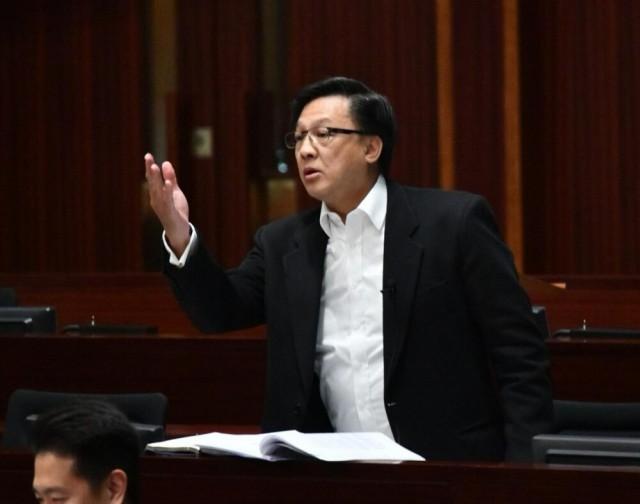
Lawmaker Horace Cheung Kwok-kwan yesterday said police must search social media for such scams, adding they have become "more and more prominent lately."
The SFC could step in as those "offering suggestions" on stock investment are required to obtain certificates from the commission, Cheung said.
In July, three DAB members serving as "secret agents" joined over 10 WhatsApp and Telegram groups through links that scammers posted online. Each group had 10 to nearly 300 members.
One agent, Timothy Lau Tin-ching, said during the three-week investigation self-claimed "teachers" or "assistants" in the groups would contact other members in private to understand their investment situations.
Scammers would first gain their trust by recommending stocks of big companies from which they could earn a small amount of money, before convincing them to buy penny stocks.
According to Lau, such stocks could be easily manipulated by their major shareholders.
As scammers keep tricking victims into purchasing these stocks, their prices rose, meaning that major shareholders benefited more.
The scammers then left the groups and abruptly sold their stocks, causing prices to drop and leaving individual investors to bear the loss.
The agents said they had seen a recommended stock called Raffles Interior - stock code 1376 - drop by 40 percent within a single day.
Lau said he was urged to spend HK$100,000 on one stock.
He said some victims told the DAB they lost their money just weeks after joining the groups.
Another agent, Joseph Chan Hoi-wing, said scammers asked investors to provide screenshots of their stock transactions.
He said the request might be because scammers will seek commission fees from dubious companies behind the penny stocks or their major shareholders.
"I asked group operators why they needed such information. They told me that it's for charity, but couldn't show any proof," Chan said.
If investors refused such requests, group operators would threaten to withhold any more tips on high-profit stocks.
Scammers also pretended to be media employees and celebrity commentators.
Famous financial commentator Louie Shum Chun-ying, the chief executive of Sincere Securities who is also known as "Master Sum," said friends and victims contacted him about people posing as him on Facebook and WhatsApp from three months ago.
"From what I've heard, they called themselves my 'assistants' or 'students' or just used my photos without mentioning my name," he said.
Ample Capital's asset management director Alex Wong Kwok-ying said scammers had stolen his identity and warned people on his Facebook page last month that he never offered investment advice on messaging apps.
Shum said he made a similar declaration on social media, adding: "I would never invite people to join some messaging groups."
But he believes it will be difficult to gather evidence on the fraudsters, as many group operators change their names or photos as soon as investors join.
"I'm not sure how much can be done After all, you need sufficient legal evidence in Hong Kong to prosecute [such scammers]," Shum said.
mandy.zheng@singtaonewscorp.com

DAB members reveal their findings. SING TAO