Read More


Night Recap - April 3, 2026
26 mins ago



Taxi e-payment ‘3pc fee’ notices spark debate on rollout day
02-04-2026 12:42 HKT
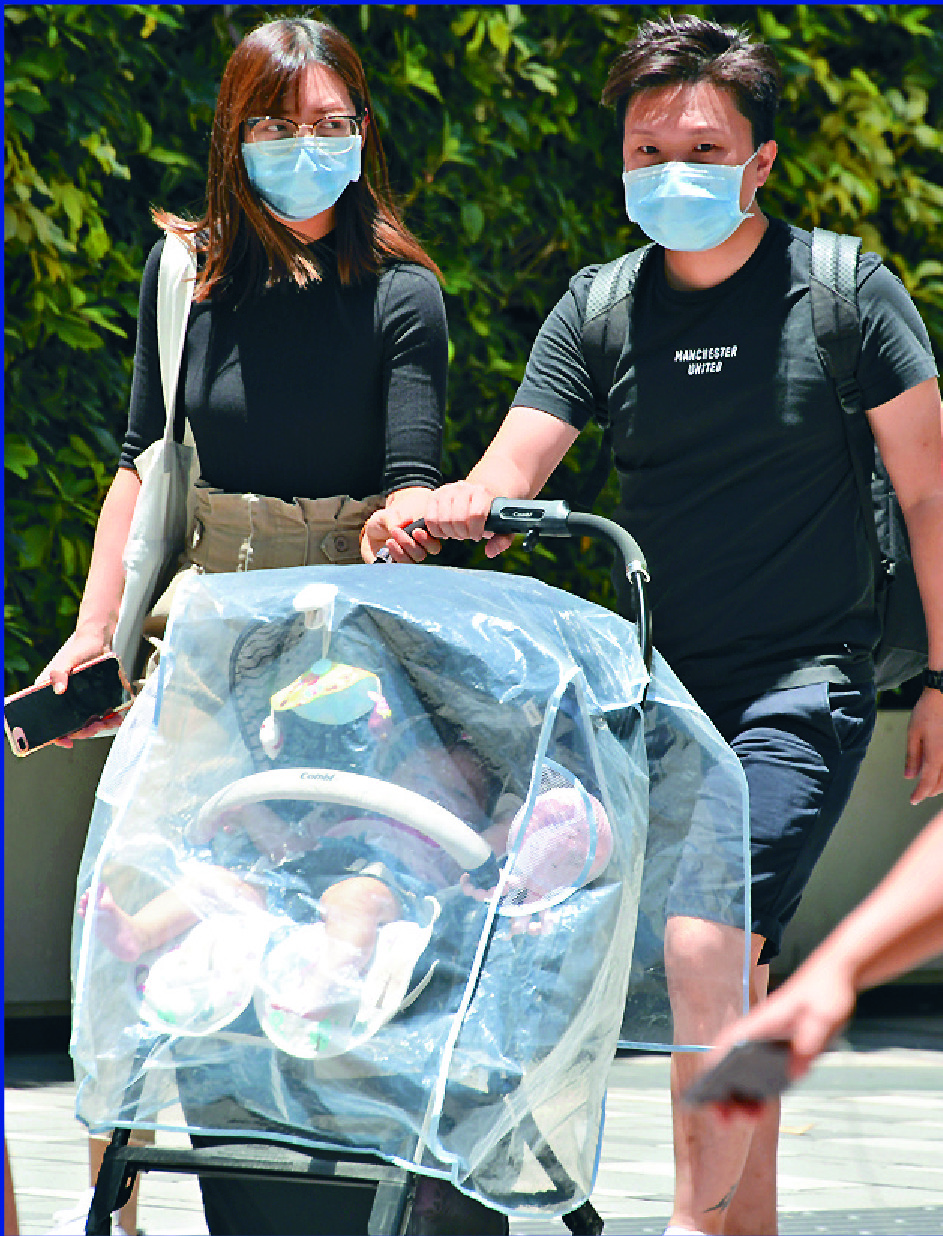
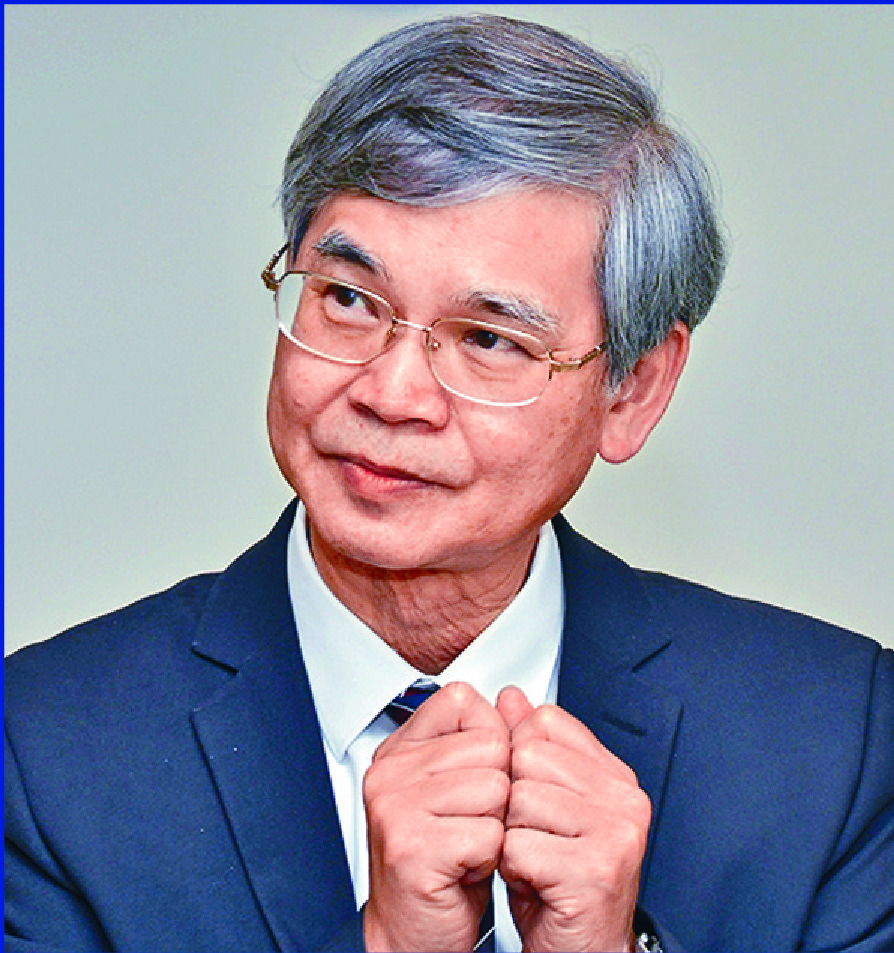
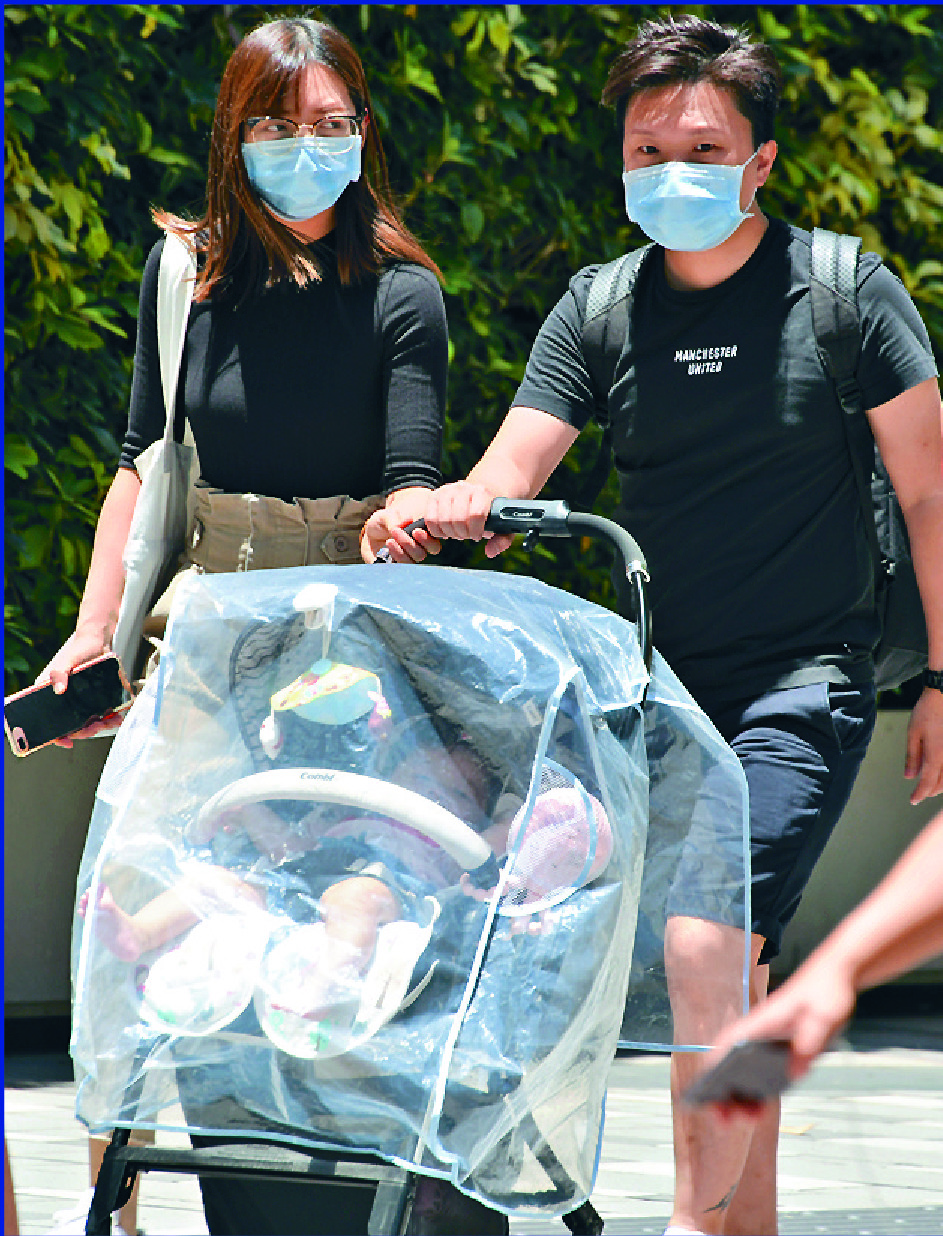
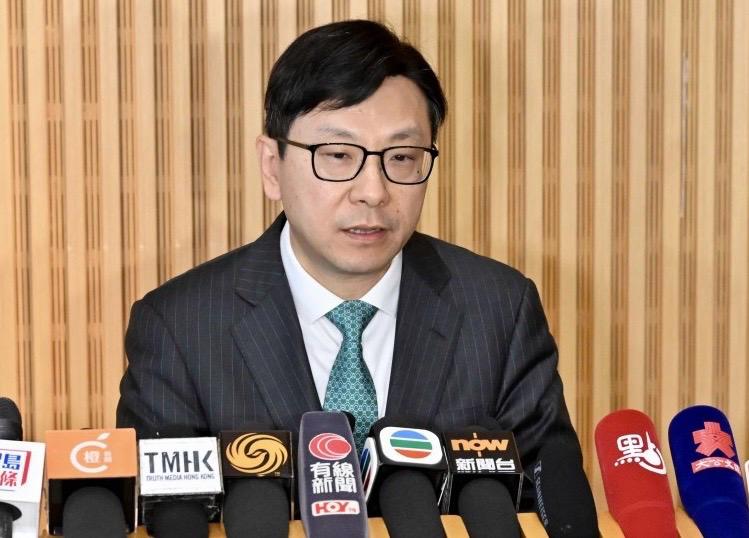
Fewer babies could be born this year and next due to the Covid-19 pandemic and the social unrest, says Secretary for Labour and Welfare Law Chi-kwong.
The SAR's crude birth rate was seven per 1,000 population last year, with more than 52,900 babies born, while the total fertility rate - the average number of children that would be born to each woman during her lifetime - was 1.052. Both rates have declined continuously since 2016.
Law said on his blog yesterday that the downward trend could continue this year as a result of the year-long protests.
"And the pandemic in 2020 has caused an apparent fall of marriage registrations, which might lead to a further decrease of the fertility rate in 2021," he said. To put it simply, Law added, Hong Kong's fertility rate is very low but could still go lower.
There were around 9,100 newly married couples during the first four months this year, a 39 percent decrease year-on-year.
In the second half of 2019, the number of marriage registrations was 25,320, a 14 percent drop from that in 2018. Some have attributed the decline to social unrest.
Various studies worldwide have suggested that the pandemic is resulting in baby booms in poor and middle-income countries as people find it harder to obtain contraceptives, while richer regions are witnessing an opposite trend.
Surveys have shown that women in the United States and Europe are less willing to bear children during a time of job losses and other instabilities.
But Paul Yip Siu-fai, chair professor of population health at the University of Hong Kong, believes it is too early to predict the city's fertility rate this year.
"Indeed, an unfavorable economic condition would be non-conducive for fertility. But with more time at home, there are more chances for people to make babies too," Yip said.
The impact of the protests is also difficult to determine, he added, as it could affect Hongkongers' confidence in the city's stability but people might also be more inclined to give birth if they plan to immigrate and raise their children elsewhere.
"It's hard to say how far the rate can go down as it is already at rock bottom," Yip said.
Meanwhile, Law said the extension of maternity leave from 10 to 14 weeks would come into effect by the end of the year.
The amendment to the Employment Ordinance, which allows a pregnant worker to receive 80 percent of her average daily salary during a 14-week leave with a cap of HK$80,000, was gazetted on Friday.
But Law said it would take at least 18 months for the government to establish a new mechanism to distribute maternity leave pay, so officials will hire a contractor to do such work to shorten the process by six months.
Earlier this month, the Legislative Council passed an amendment ordinance on the four-week extension under the Employment Ordinance, with 54 lawmakers voting in support and two abstaining.
Law pointed out that the aim of extending maternity leave is not to encourage people to have more babies, as the government "does not intend to interfere with individual families' decision of raising children."
mandy.zheng@singtaonewscorp.com