Innovations such as building information modeling and modular integrated construction help to enhance the efficiency and effectiveness of construction activities, but some of us may not be aware of the even greater need to apply new technologies to property management.
Where construction is concerned, it is relatively easy to recruit personnel with the appropriate competence and experience as developers move from project to project in a time frame of three to five years.
However, property management positions often entail internal promotions and unless training is given, many staff may not possess the technical skills for the ever-growing complexity of building-service installations.
This will hamper not only efficiency but could also affect safety in the supervision of equipment repairs and replacements, especially at height and on external walls.
The Hong Kong Applied Science and Technology Research Institute and the Construction Industry Council have jointly developed innovative systems to help such activities.
In a recent ConTech and PropTech Conference they promoted new technologies to the public and business sectors.
Technologies that bring about energy savings have payback periods of just a few years, but the added benefit is a reduced need for personnel with specialized skills and extensive experience.
This is most welcome as the industry is suffering continuously from shortages of such experienced operators.
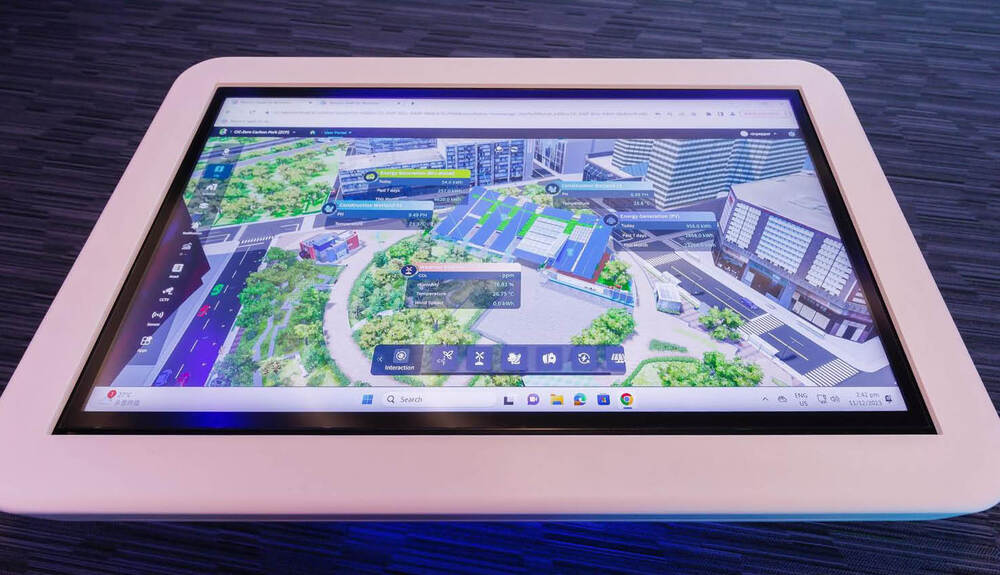
The council has equipped one of its facilities as a "smart facilities management control center."
Located in Kowloon Bay, it can monitor a full range of activities in buildings scattered around Hong Kong.
Experienced engineers can monitor what goes on in these buildings remotely from their air-conditioned control room, significantly enhancing productivity, cost efficiency and sustainability.
It also enables an upgrade from reactive to preventive maintenance, which entails a significant reduction in costs, breakdowns and faults, as well as ensuring safety and promoting sustainability.
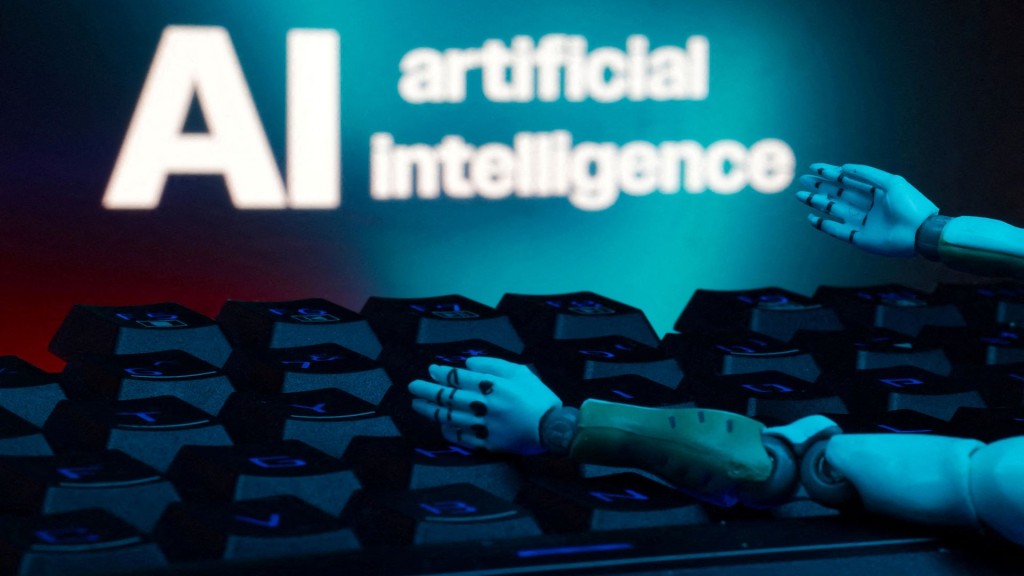
The center is leading the property management industry by implementing advanced solutions such as artificial intelligence, closed-circuit TV and robotics.
When fully implemented, it will address challenges such as manpower shortages, high operating costs and outdated working methods.
It connects with premises that the council owns, allowing for streamlined monitoring and efficient resource allocation to ensure optimal performance and sustainability across the whole building network, providing real-time monitoring control in operations and dynamic analytics.
Sensors at strategic locations enable a deeper understanding of usage patterns, maintenance requirements and occupancy trends.
Informed decisions to optimize resource allocations and proactive maintenance strategies can now be easily implemented.
CCTV cameras with AI capabilities can also effectively detect safety violations, such as workers not wearing suitable personal protection equipment.
Supervisors, once alerted to such breaches can take immediate corrective action to reduce the risks of accidents and injuries.
These innovative systems are best applied to new buildings through a common data environment, where the construction team and the property management team that takes over use a common platform so that all salient information are recorded and accessible to all parties from the start of the project, minimizing errors and omissions commonly found with the former handing over as-built information to the latter.
It also stores technical data and maintenance schedules so that there will be no discontinuity with change in personnel as the data are readily available to view by those with access to the platform.
Properly applied, it can also be used to detect crowds and other potentially dangerous incidents on site, especially those in enclosed compartments not normally accessible by security patrols.
AI systems can immediately detect such incidents and warn the security center to take quick corrective actions to minimize risks and intervene in any conflicts.
In the case of machinery, strategically placed sensors that pick up excessive vibrations and heat generated by lifts, escalators and air-con chillers will give maintenance crews forewarning before serious failures occur, avoiding breakdowns of essential services and providing early warnings of replacement needs and making the ordering process easier.
Such systems can also be applied in public toilet cubicles to provide warnings in the event of prolonged occupations due to illness or accidents to facilitate timely rescues.
As we move on to a new era, emerging technologies such as the internet of things and AI can certainly help to make property management much more efficient.
It will reduce the need for personnel with special skills and enhance safety for all, maintaining our high standard of property management services for the entire range of commercial and residential buildings in Hong Kong.
Veteran engineer Edmund Leung Kwong-ho casts an expert eye over
features of modern life
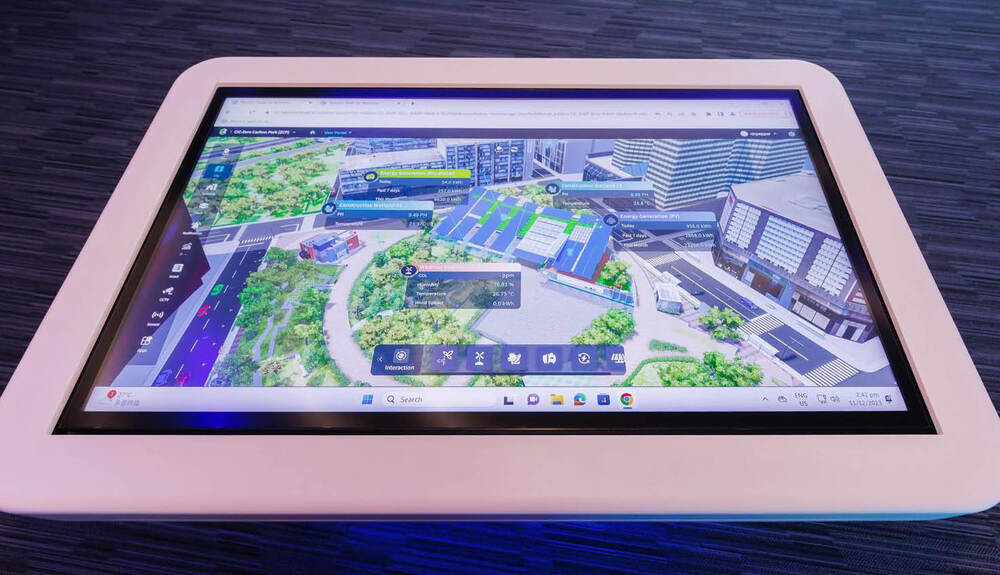
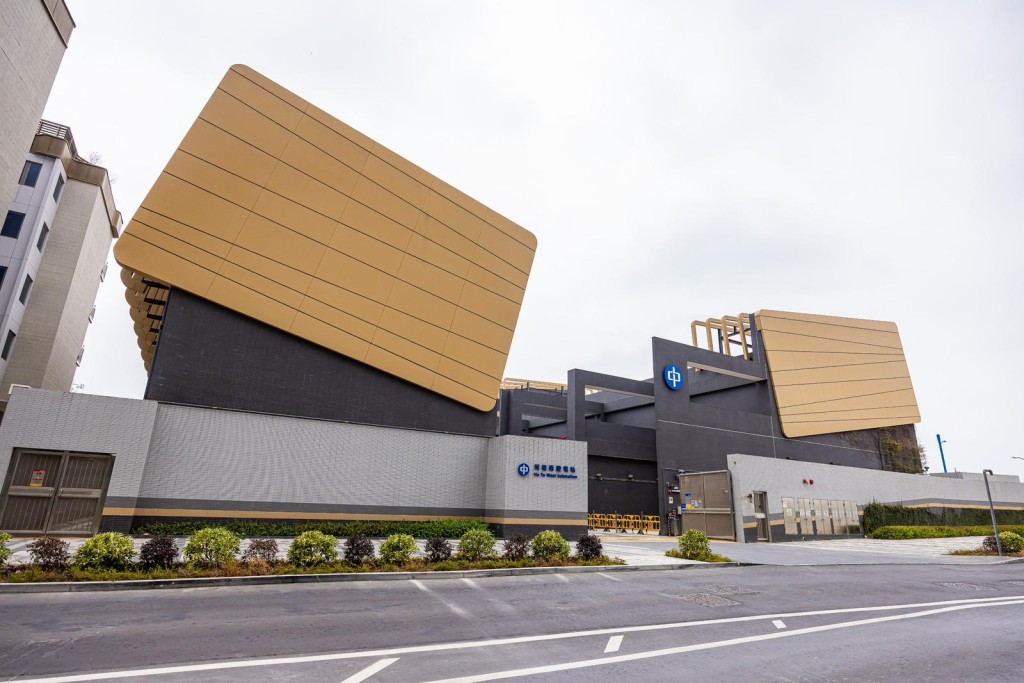
Systems at buildings all over Hong Kong can be monitored through, clockwise from top, video screens at the smart facilities management control center showing, for example, operations at CIC–Zero Carbon Park in Kowloon Bay; a general view of the cente