Read More













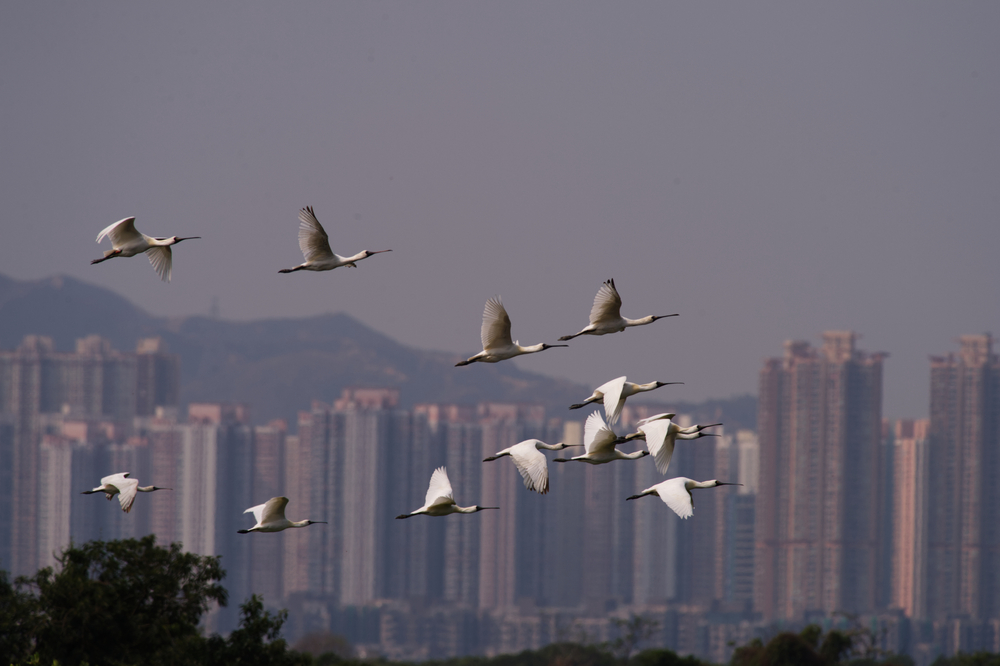
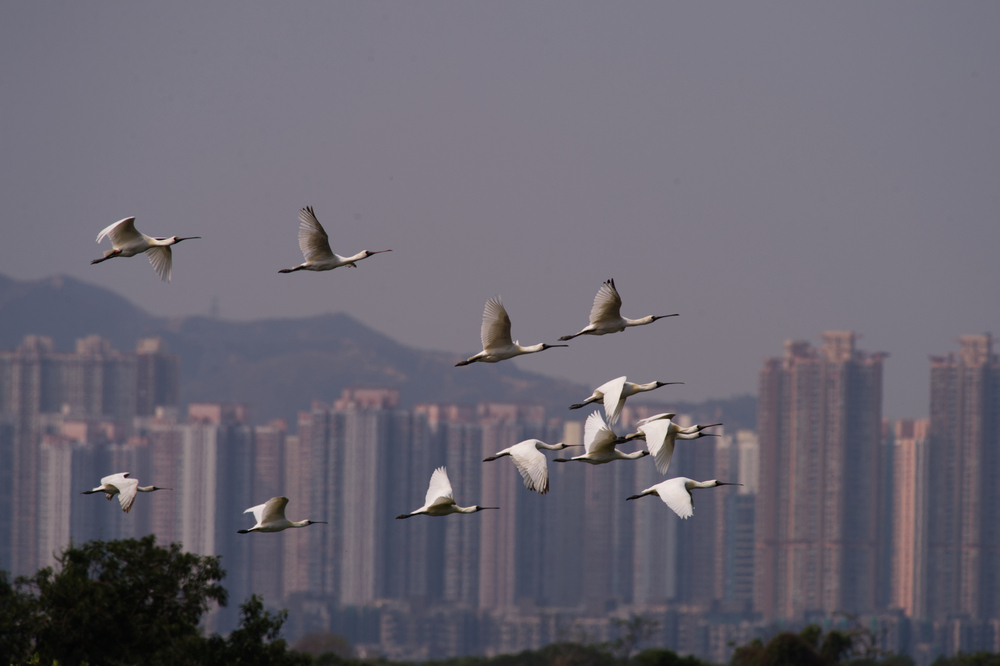
Birds living in open landscapes have been hit hardest by rural development in the past three decades, research by the Hong Kong Bird Watching Society has found.
Announcing its findings yesterday, the society said that about 77 percent of species whose distribution had narrowed between 1993 and last year lived in open country areas, such as farmlands, lowlands, grasslands and abandoned land.
Among them, the oriental magpie and Richard's pipit's habitats shrank by 60 percent in those years, while the oriental turtle dove saw its habitat decline 82 percent.
The analysis was based on habitation statistics collected from three periods - 1993 to 1996, 2001 to 2005 and 2016 to 2019.
A total of 281 bird species were recorded by the group in those years, with 240 species found active in winter and 226 in the breeding season, during March and July.
Researcher Woo Ming-chuan said most open landscapes were regarded as of low conservation value, causing them to be overlooked and unprotected. Such areas also tend to attract development projects or undergo destruction, he added.
"Birds are an important environmental indicator," said another researcher Yu Yat-tung as he called for attention to the matter.
Among all the recorded species, more than 10 saw their distribution broadening, with two thirds of them living in woodland.
The mountain tailorbird's habitats expanded by nearly 19 times, while those of the scarlet minivet and rufous-capped babbler both quadrupled.
Researchers said this was because of the government's restoration plantations, which created a more mature and diverse woodland, benefiting birds in these areas.
Research also found that the most widespread bird species in Hong Kong was the Chinese bulbul, followed by red-whiskered bulbul, Swinhoe's white-eye and the common tailorbird.
Mandy Zheng