Read More


Morning Recap - August 25, 2026
5 hours ago


IT manager sentenced to 22 months for stealing $1.2m in Deloitte laptops
21-08-2026 21:49 HKT


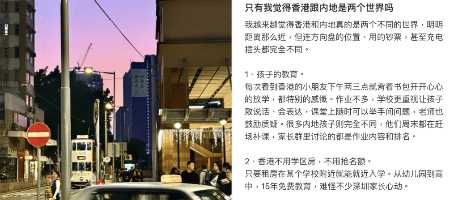
As cross-border travel and integration between mainland China and Hong Kong continue to grow, the deep-rooted cultural and daily lifestyle differences between the two regions are coming into sharper focus.
A mainland Chinese netizen recently ignited a widespread online debate after detailing the stark contrasts she observed while visiting Hong Kong, noting that despite their geographical proximity, the two places often feel like completely different worlds when it comes to education, legal norms, and urban living.
The viral social media post highlighted that the regional differences go far beyond obvious details like left-hand traffic, distinct currencies, and different power sockets. A major point of contrast identified was the educational environment.
The observer noted that Hong Kong students typically finish their school day by mid-afternoon, a sharp departure from the intense, tutoring-heavy schedules common for mainland students on weekends.
Furthermore, Hong Kong's system allows children to attend local schools simply by residing in the neighborhood, avoiding the fierce mainland competition to purchase premium real estate in specific school districts.
This accessibility, combined with the city's fifteen-year free education policy and an apparent focus on developing students' communication skills, drew significant attention from mainland parents.
Legal, administrative, and social norms also presented a culture shock. The author pointed out that Hong Kong lacks the statutory concept of joint marital property, which she felt fosters a culture of financial independence and pragmatic relationship views, particularly among local women.
On the streets, the pervasive use of traditional Chinese characters on shop signs evoked the nostalgic atmosphere of classic Hong Kong television dramas.
Additionally, unlike in the mainland, local law enforcement frequently conducts random street checks, and failing to carry a physical identification card is treated as an offense.
Navigating the city and managing basic necessities further underscored the divide. While Hong Kong's public healthcare offers highly affordable basic services, it suffers from notoriously lengthy wait times, prompting many residents to purchase medical insurance to offset the high costs of private clinics.
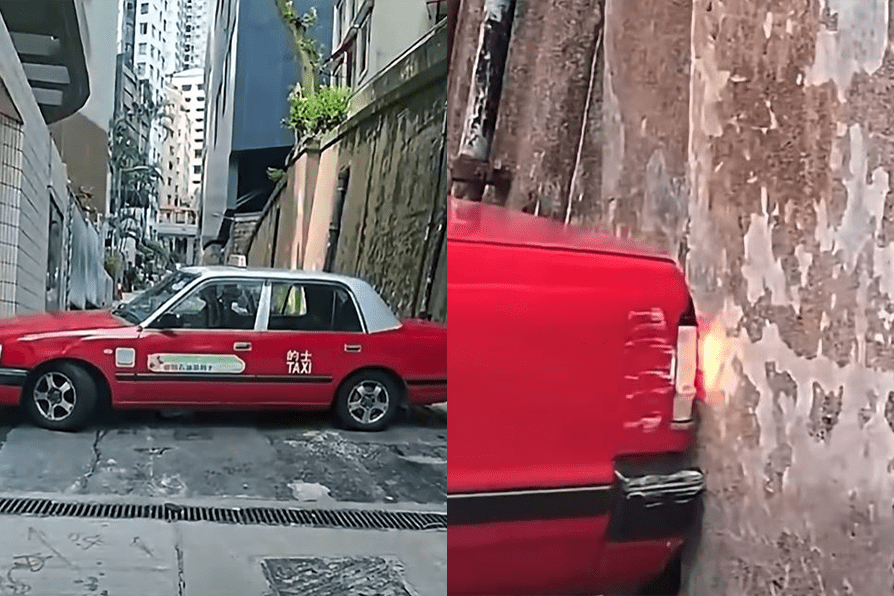
Transportation presents its own unique landscape. Taxis are considered expensive and include extra surcharges for luggage, yet the railway network is highly efficient, orderly, and notably operates without the security checkpoints common in mainland subways, requiring only a simple tap of a universal transit card.
The harsh realities of Hong Kong's housing market were also heavily emphasized, particularly the use of square feet instead of square meters and the multi-million dollar price tags attached to exceptionally cramped apartments.
The post even noted practical local adaptations, such as the citywide use of seawater for flushing toilets to conserve freshwater resources.
The extensive list of observations generated a polarized response online as users passionately debated the livability of both regions.
Supporters of the Hong Kong lifestyle praised the city's strong food safety standards, clear sense of personal boundaries, strict adherence to rules, and diverse international culinary scene.
Conversely, a large segment of mainland commentators argued that their home cities offer a more comfortable and convenient daily life.
They cited Hong Kong's incredibly fast-paced environment, exorbitant cost of living, and extreme crowding, ultimately concluding that while the financial hub remains a fascinating tourist destination, mainland cities may provide a greater sense of long-term residential happiness.