Read More
Every day for 14 years farmer Masaoki Tsuchiya sets out before sunrise to search for a bird.
ADVERTISEMENT
SCROLL TO CONTINUE WITH CONTENT
The one he seeks is called toki in Japanese, and its presence on Sado island off Japan's west coast is testament to a remarkable effort.
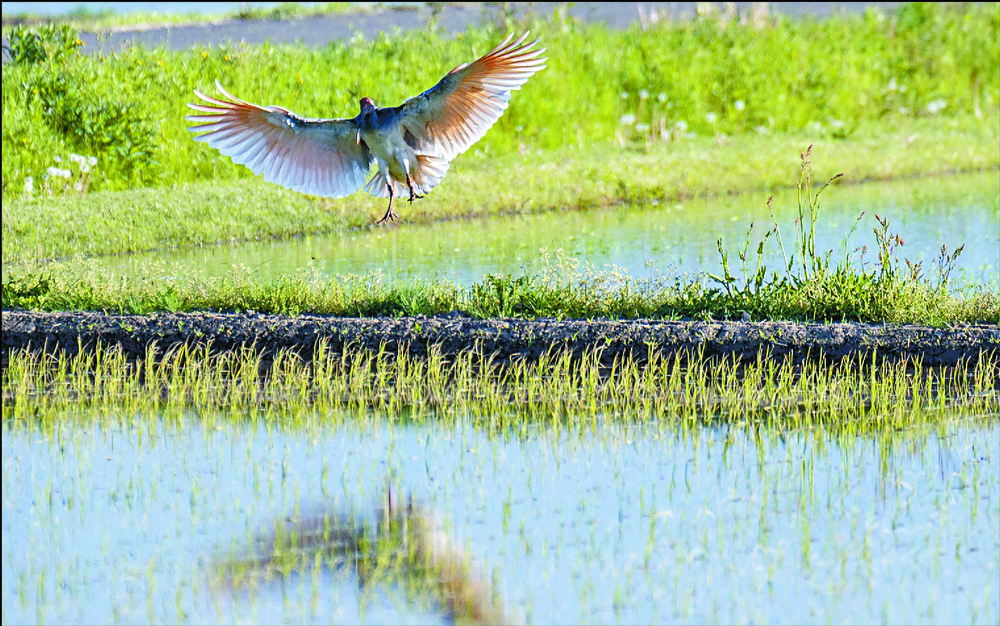
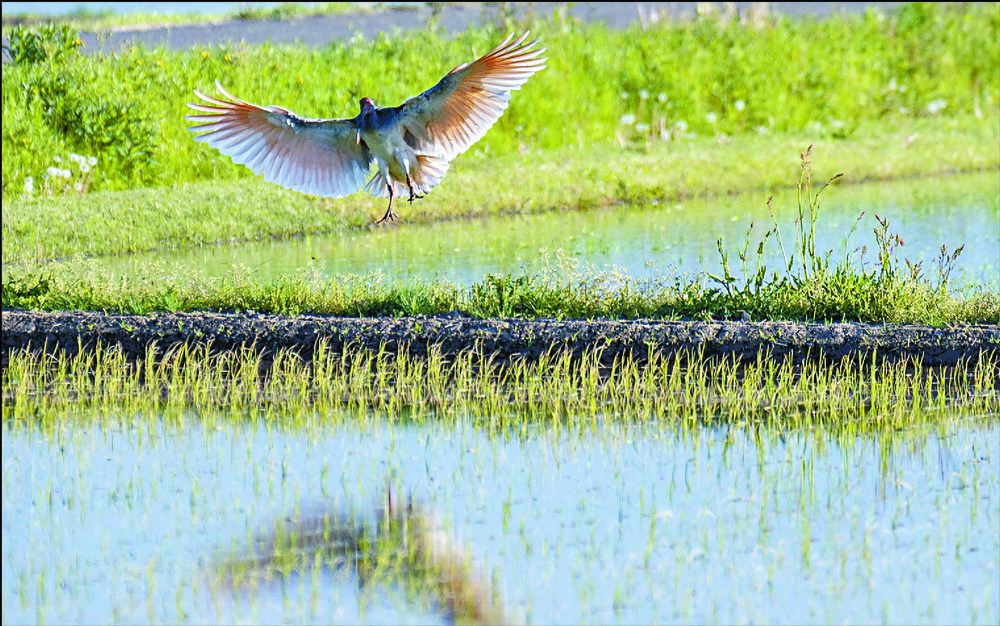
In under 20 years Japan's population of wild toki has gone from zero to nearly 500, all on Sado, where the bird's delicate pink plumage and distinctive curved beak now draws tourists.
It's a rare conservation success story when one in eight bird species globally are threatened with extinction.
Tsuchiya, 72, stocky and spry with an impish grin, doesn't eat breakfast until he has made all his stops, and after years of practice he can spot chicks hidden in nests through the monocular attached to his rolled-down car window.
Some days dozens of the birds appear - unimaginable in 2003 when a toki called Kin (Gold) died in a cage on Sado at the record age of 36. Her death meant not a single wild-born toki remained in Japan despite the bird being so synonymous with the country that it is also known as the Japanese crested ibis.
"I knew the day was coming," Tsuchiya says. "She was very old and frail."
Efforts to get Kin to mate with Sado's last wild-born male toki Midori (Green) had failed, and she lived out her last years as a curiosity.
Her death made national headlines and appeared to mark the end of the toki in Japan, where its feathers inspire the term for peach pink: toki-iro.
But now so many roam the skies and rice paddies of Sado that officials have gone from discouraging eager birdwatchers to training guides to help visitors spot the bird, and the national government is studying reintroducing the bird elsewhere.
Wild toki once lived across Japan and in Russia, Taiwan and South Korea.
They were considered a pest that damaged rice plants, but during Japan's Edo era (1603-1867) hunting restrictions meant only high-ranking officials could pursue birds like the toki.
That changed in the Meiji era with firearms. And toki meat was believed to have health benefits, and its feathers were favored for everything from dusters to decorative flourishes on hats.
"In just 40 years the toki basically disappeared," says Tsuchiya.
By the early 1930s only a few dozen toki remained in Japan, mostly on Sado, but the species did win protected status.
A fresh threat then emerged during Japan's post-war drive for growth: rising use of chemical fertilizers and pesticides.
Toki feed primarily in rice paddies, and they are undiscriminating, eating everything from insects to small crabs and frogs.
The chemicals affected the birds and their food, and by 1981 just five wild toki remained in Japan, all on Sado, where officials took them into protective captivity.
But by bizarre coincidence, the same year a population of seven wild toki was discovered in a remote area in Shaanxi, China, where a breeding program took off.
And when then-president Jiang Zemin made a historic first state visit in 1998 he gifted Japan a pair of toki.
You You and Yang Yang arrived the next year, producing their first chick months later in an event that led news broadcasts.
Other birds arrived from China, and with time Sado had a large enough population to consider reintroducing toki to the wild. But first officials had to tackle the use of chemical fertilizers and pesticides.
The creation of a premium "toki-friendly" rice brand encouraged farmers to back conservation efforts.
"Back then people didn't think about the environment when farming," says Shinichiro Saito, a 60-year-old rice farmer. "The priorities were selling products at a high price and harvesting as much as possible."
Authorities used a carrot-and-stick approach, refusing to buy rice from farmers who rejected chemical limits and creating a premium brand of "toki-friendly" rice for those who did. Saito, an early adopter, says the real difference came when the first birds were released in 2008.
Tsuchiya, who documents toki nests on his morning rounds, says: "It was the toki that changed their minds."
Even farmers reluctant to adapt were delighted to see a bird with almost mythical status in their fields.
Tsuchiya's rounds began with the 2008 release. He has since witnessed triumphs including the first wild-born chick, and the first chick born to wild-born birds.
And a breeding program continues, supplemented by birds from China that broaden the gene pool.
Around 20 birds are released twice a year after a three-month training program that prepares them for life outside a cage.
When the first toki were released on Sado there were missteps: officials prepared a remote mountain location for the release, believing the birds would prefer seclusion.
But the toki flew down to fields frequented by farmers.
Tomoki Tsuchiya's interest in toki was fostered by his father, Masaoki.
It is a fascination shared by many on Sado, where the bird is on items from T-shirts to milk cartons.
In just under two decades Sado's population of wild toki has gone from zero to nearly 500.
"The toki is so important for people on Sado," Tomoki Tsuchiya, 42, says. "It's like family."
Yet even after training a toki's life is precarious: only about half survive predators like snakes and weasels, and the survival rate for newborn chicks is similar.
But enough have thrived that Japan may expand the Sado program.
China's wild population numbers over 4,450, and a South Korean project released 40 toki for a first time in 2019.
Saito says of the bird's resurrection on Sado: "When this project started what I dreamed of most was seeing toki flying while I farmed. An environment good for toki is one that is also safe for humans."
Masaoki Tsuchiya checks an identification register while using a spotting scope in his van to chart toki nests on Sado, where the birds basically disappeared before help from Chinese helped revive the species.