Read More



Taxi e-payment ‘3pc fee’ notices spark debate on rollout day
02-04-2026 12:42 HKT
HK braces for natural gas shortage
02-04-2026 08:00 HKT


Ayra Wang
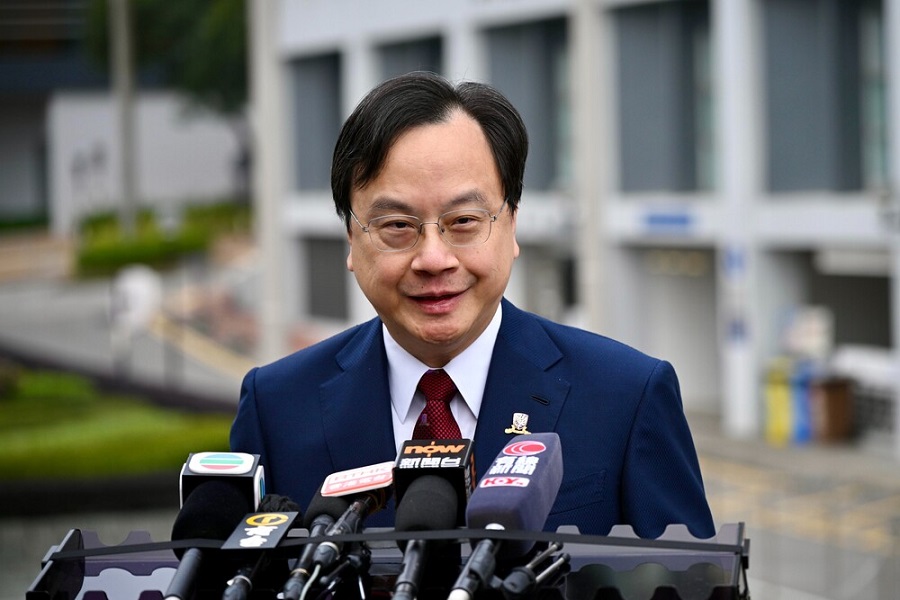
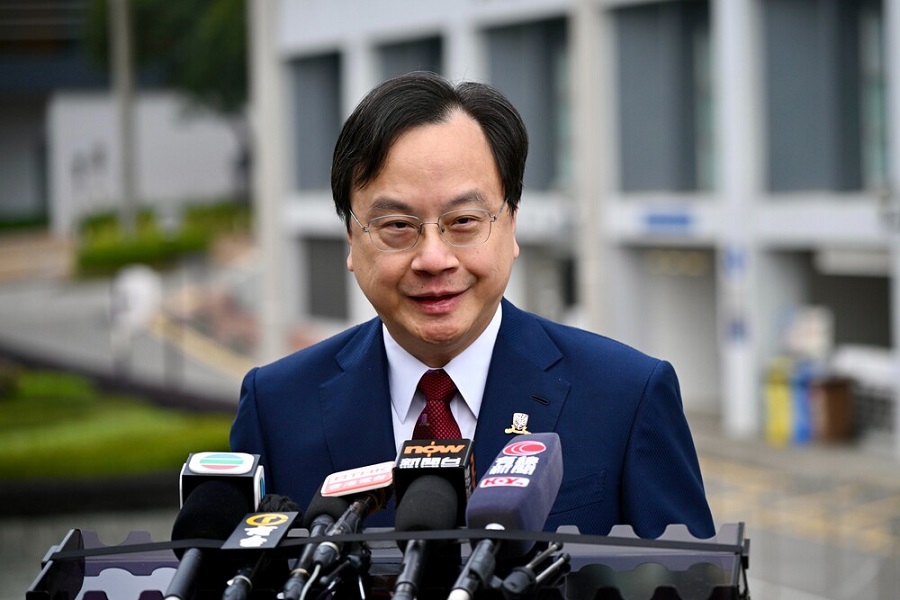
Hong Kong is experiencing a "golden era" for research and innovation, driven by increased government funding and global competitiveness, according to the Chinese University of Hong Kong president Dennis Lo Yuk-ming.
Speaking on a radio program yesterday, Lo said the city's research capabilities had made significant progress over the past two decades.
Lo recalled that research funding was limited to a few hundred thousand Hong Kong dollars 20 years ago. The government recognized the critical role of research in tackling infectious diseases after the 2003 SARS outbreak, leading to further increases in funding, he said.
"Today, projects under the InnoHK initiative can receive billions of Hong Kong dollars in support, and Hong Kong is now home to about 20 world-class laboratories," Lo said.
Lo stressed the need to modernize university curricula to nurture talent, emphasizing the importance of teaching intellectual property laws and patent applications.
He said CUHK has introduced entrepreneurship courses and established the CUHK InnoPort to connect students with industry professionals.
He also encouraged interdisciplinary collaboration and urged young people to pursue their passions in research, despite the time required for breakthroughs.
On artificial intelligence, Lo expressed optimism about its potential in healthcare, such as speeding up diagnostics and improving patient care.
However, he warned of ethical and legal challenges, including AI's role in inventions, liability for errors, and privacy concerns during training.
Meanwhile, the chief executive of Hong Kong Science and Technology Parks Albert Wong Hak-keung reported the corporation's revenue of HK$2 billion for the current fiscal year, with over 800 tech firms supported through rent subsidies and commercialization assistance.
Wong said that HKSTP's investment fund, established in 2015, has grown to HK$2.2 billion and aims to exceed HK$7 billion.
He acknowledged Hong Kong's strong research foundation but noted the need for growth compared to mainland cities like Shenzhen and Shanghai.
"Hong Kong has about 4,700 tech firms and 40,000 to 50,000 R&D professionals, but we need to double these numbers," he said.
Wong said a low-altitude economy pilot project is to launch at the Science Park next month, initially focusing on food delivery.
He hoped the San Tin Technopole and the Hong Kong-Shenzhen Innovation and Technology Park in Lok Ma Chau Loop will attract more tech firms and young innovators.
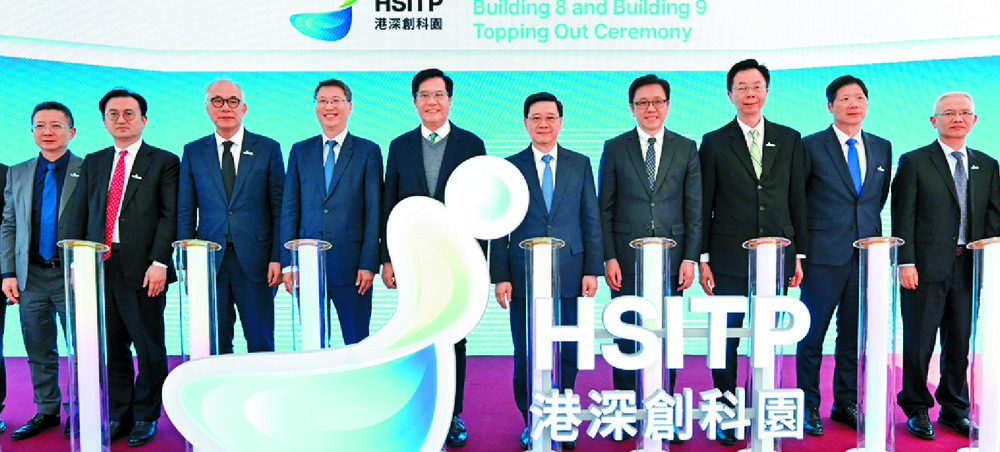
A topping-out ceremony was held on Friday for three buildings in phase one of the Hong Kong area of the park.
ayra.wang@singtaonewscorp.com