Read More


Night Recap - May 27, 2026
4 hours ago



Hong Kong a conduit for mainland, French firms
26-05-2026 06:00 HKT
Licenses will now be required to export tungsten, tellurium, bismuth, indium, molybdenum, and related products to "safeguard national security interests," the Commerce Ministry said yesterday. Their uses range from solar panels to artillery shells.
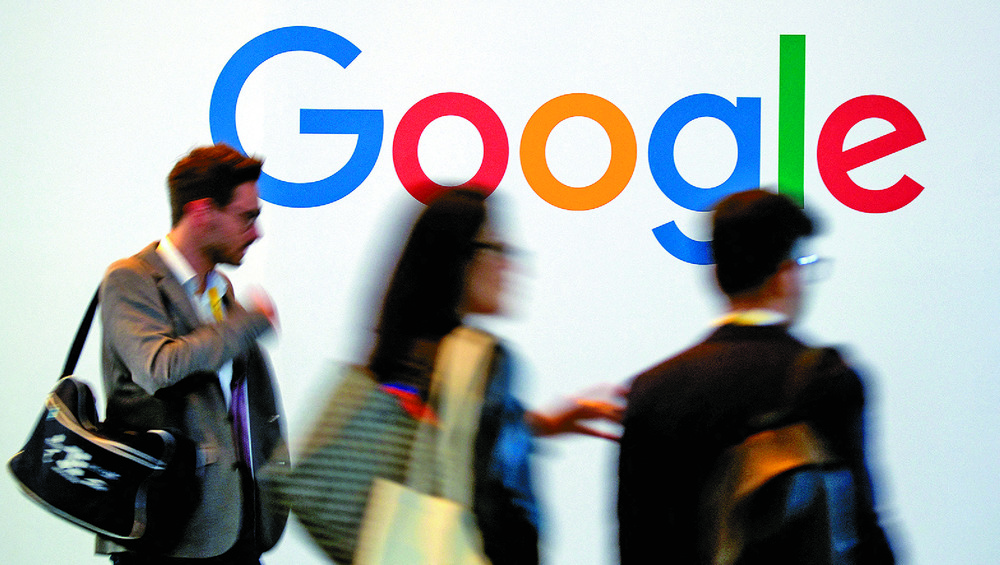
China said it was starting an anti-monopoly investigation into Google. It also put both PVH Corp, the holding company for brands including Calvin Klein, and US biotechnology company Illumina on a list for potential sanctions.
Concerns about Beijing's grip on critical minerals have grown sharply since it placed gallium and germanium under stricter government oversight in 2023 and added antimony to its list of restrictions last year.
That resulted in higher prices for the three niche but vital metal markets.The experience of previous rounds of export restrictions suggests exports will immediately drop sharply as companies scramble to get export licenses, a process that takes roughly six weeks.
In the past, shipments recovered, albeit slowly, as licenses were granted.However, it remains to be seen whether shipments destined to the United States will qualify for licenses. The United States stopped mining tungsten in 2015 and has not produced refined bismuth since 1997, relying in both cases on imports.
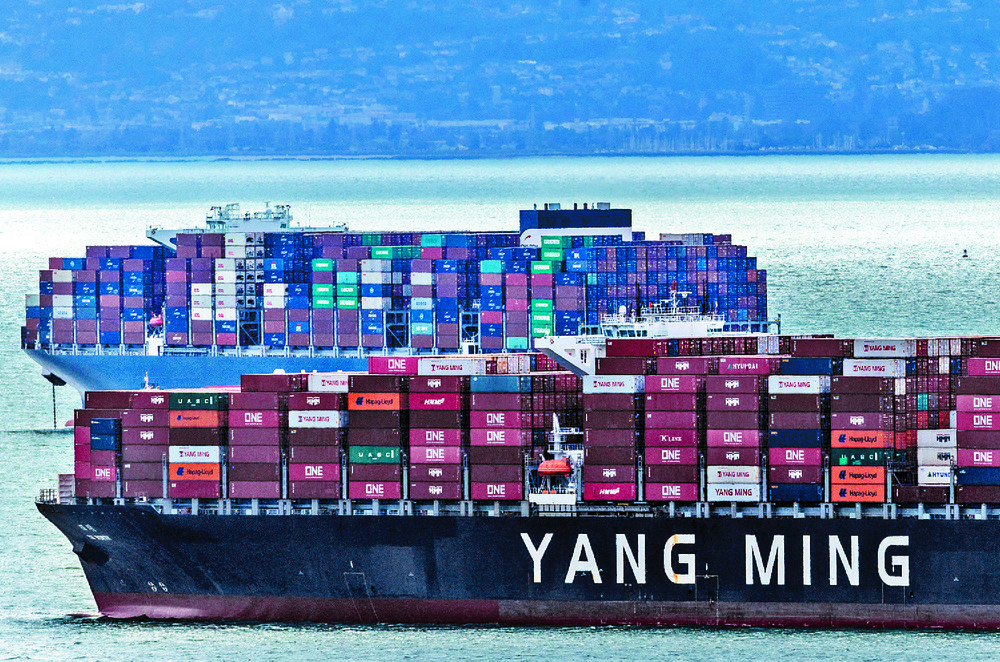
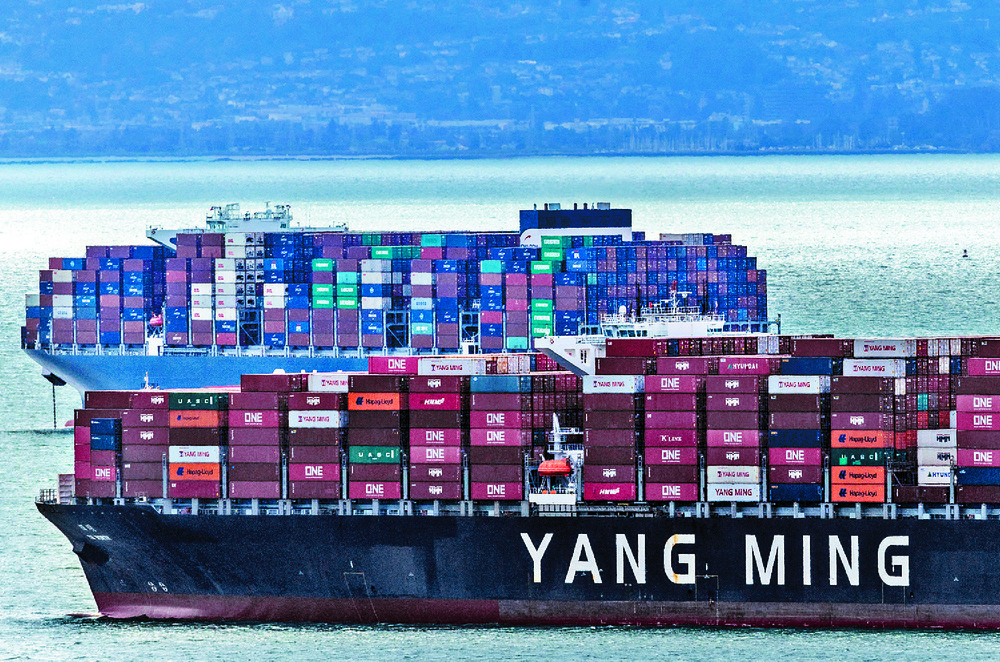
The announcement came immediately after US President Donald Trump fired the opening salvo in the trade war, hitting all US imports from China with a blanket 10 percent tariff. On Monday, Trump reached separate agreements with the leaders of Canada and Mexico to delay 25 percent duties for a month.Capital Economics, a UK-based research firm, estimated that China's additional tariffs would apply to about US$20 billion (HK$156 billion) of annual imports, compared with the US$450 billion worth of Chinese goods subject to the US tariffs.
"The measures are fairly modest, at least relative to US moves, and have been calibrated to send a message to the US," Julian Evans-Pritchard, the firm's head of China economics, said in a note. China's new tariffs will not take effect until February 10.AGENCIES AND STAFF REPORTER