Read More



Night Recap - May 27, 2026
6 hours ago




Hong Kong a conduit for mainland, French firms
26-05-2026 06:00 HKT
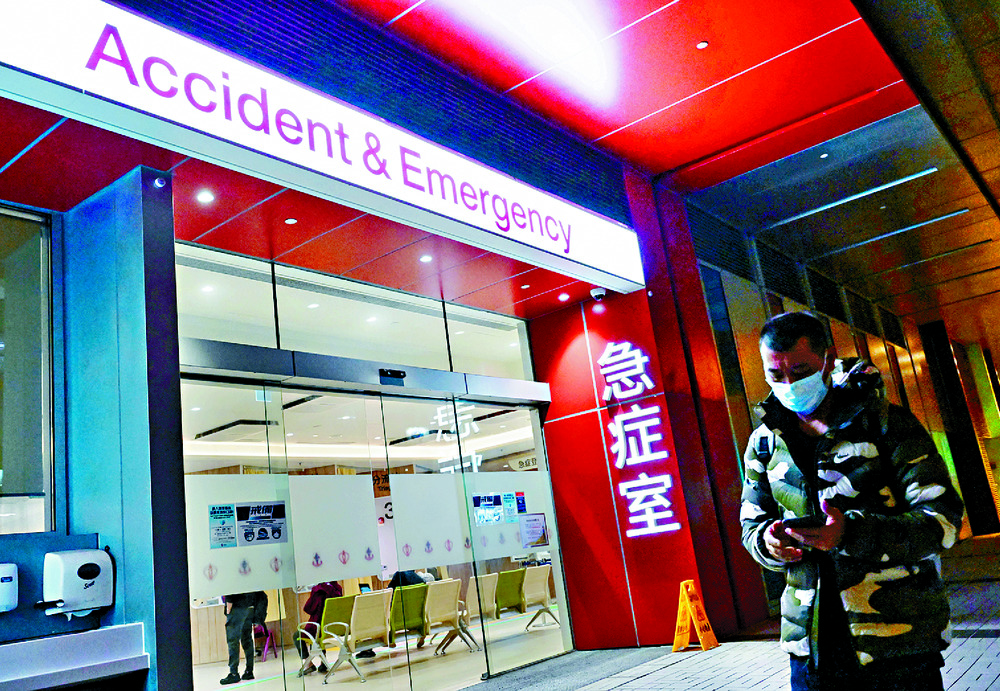
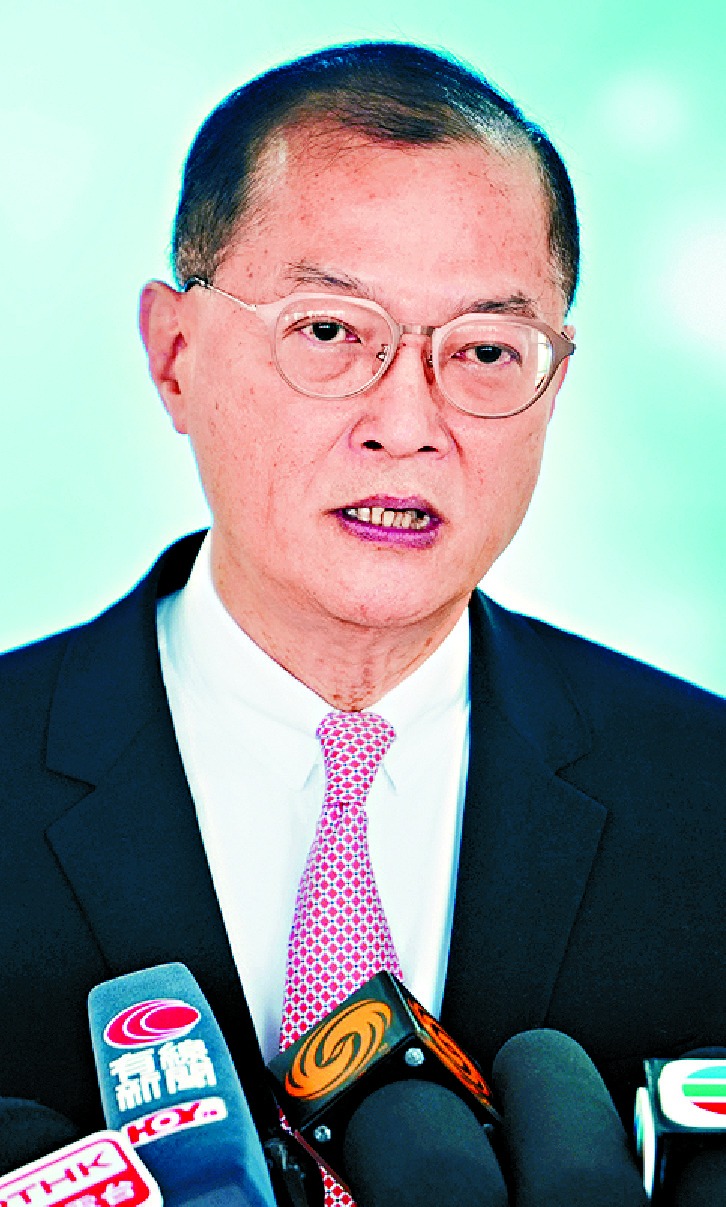
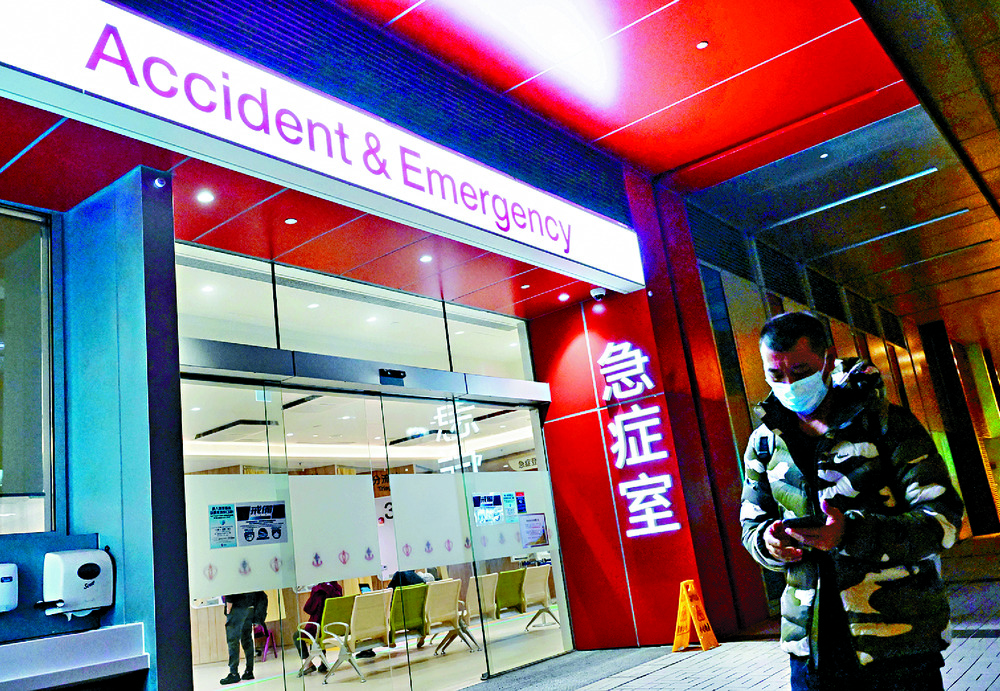
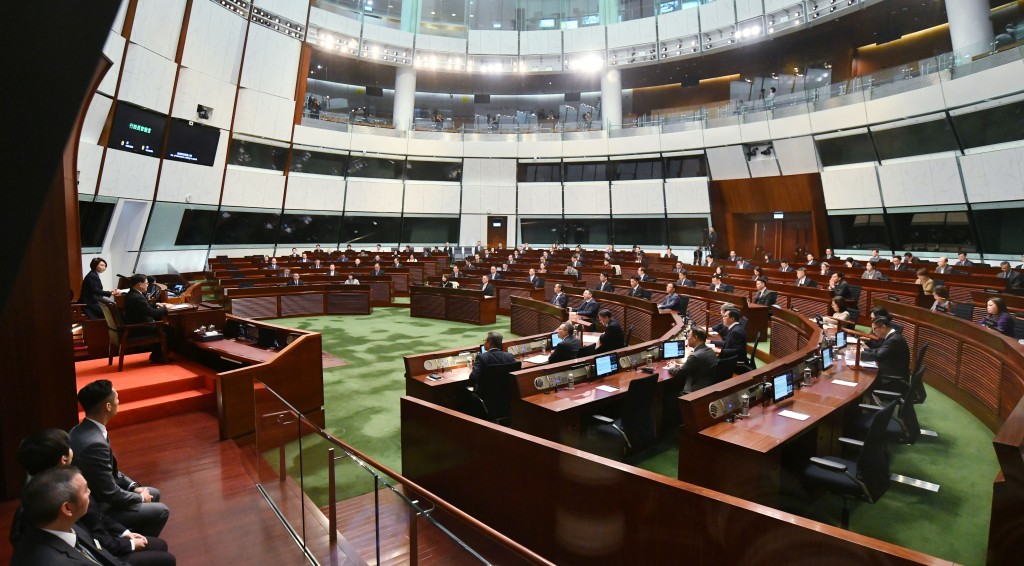
Hongkongers who have emigrated overseas can continue to seek public health-care services when in the city as they remain HKID holders, says Secretary for Health Lo Chung-mau.
Leung said the government is being "harsh on its own people while being generous to outsiders" and hoped it would "point its knife outside" when using taxpayers' money.
"Do you want to be asked where you have lived in the past year every time you seek medication?" Lo said.
"In view of the sporadicity and urgency of health-care services that make it impossible for approval of applications annually, the Hospital Authority currently has no intention to require all holders of valid Hong Kong identity cards to provide information on the number of days they have resided in Hong Kong for each medical consultation, and identify them as 'emigrants returning for medical treatment' in a bid to restrict their use of the services."Lo said public health-care services are a "cornerstone and public safety net," with over 97 percent of Hospital Authority services being subsidized by the government.
"Nearly 90 percent of Hong Kong's population rely on the services provided by the public health-care system," Lo said."Nevertheless, Hong Kong's recurrent expenditure on public health care only accounts for about 3.9 percent of the gross domestic product, and such a percentage is relatively low among other developed economies with a similar demographic structure.
"In terms of efficiency, with an annual government subvention of some HK$90 billion, the Hospital Authority is able to serve a nearly 90 percent majority of some 7.5 million people in Hong Kong and establish a health-care safety net."This has made Hong Kong's health-care system renowned for its high efficiency among medical and health-care services in the world."
Lo also said the government has to consider various factors in formulating social welfare measures, including the nature and objectives of relevant services, cost-effectiveness and social equity.Lawmaker Gary Chan Hak-kan, who is the DAB chairman, suggested the government refer to the practice when issuing consumption vouchers, in which residents were randomly selected to provide proof of residence for 36 consecutive months.
But Lo rejected this, saying: "It will be a heavy pressure not only to medical staff [but] to all 7.5 million citizens of Hong Kong."He added that the consumption voucher is a one-time benefit, while medical service is a long-term service.
Election committee lawmaker Rebecca Chan Hoi-yan suggested adjusting emigrant Hongkongers' medical fees to save medical resources for locals, but Lo stressed that filtering does not favor medical service implementation.On another Legco question, Lo noted that the Department of Health has commenced recruiting nonlocally trained dentists and that over 90 applications have been received.
The applicants were interviewed and among them, over 10 were selected.The department has been issuing offer letters, aiming to introduce the successful applicants in the first quarter.
According to the Dental Council of Hong Kong, the city only has about 3.7 dentists per 10,000 residents.In addition, Lo said around 11,000 people have used the mental health assessment service since its launch in August last year.
henry.siu@singtaonewscorp.com